

Why in news?
The condition acanthosis nigricans has come back into focus because health experts note that recognising its signs early can help detect pre‑diabetes or diabetes. The dark patches that appear on the skin are often a warning that the body’s insulin metabolism is not working properly.
Background
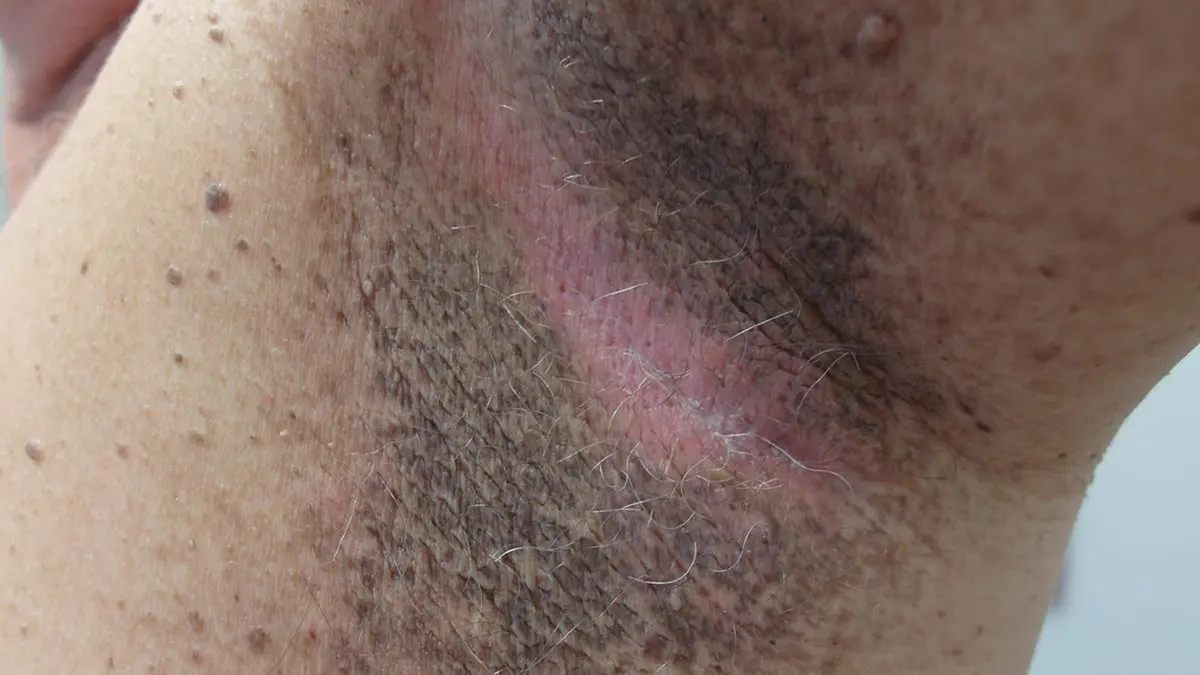
Acanthosis nigricans is a skin disorder that causes dark, thick and velvety patches, particularly in body folds such as the back of the neck, underarms and groin. It is not contagious. The underlying problem is usually insulin resistance, where the body needs more insulin to keep blood sugar in check. It is more common in people who are overweight or have a family history of type 2 diabetes. Rarely, it can be a sign of an endocrine disorder or a serious illness.
Causes and risk factors
- Insulin resistance: When cells respond poorly to insulin, the pancreas releases more of the hormone. High insulin levels can stimulate skin cells to grow faster and produce excess pigment.
- Obesity and metabolic syndrome: Excess body weight increases the chances of developing the condition. Children and adults with metabolic syndrome—a cluster of high blood sugar, high blood pressure and abnormal cholesterol—are at higher risk.
- Hormonal disorders: Conditions such as polycystic ovary syndrome (PCOS), Cushing’s syndrome, thyroid problems or certain tumours may trigger skin changes.
- Medications: Some drugs, including high‑dose niacin, corticosteroids and hormonal treatments, can cause acanthosis nigricans as a side effect.
- Genetics: In a small number of cases the disorder runs in families. Children may inherit a tendency to develop dark patches at puberty.
- Underlying malignancies: Very rarely, cancers of the stomach, liver or other organs can release substances that lead to rapid skin growth. If acanthosis appears suddenly in older adults, doctors may investigate further.
Symptoms and identification
- Appearance of skin: The affected areas are darker than surrounding skin and feel thick or velvety. They may look like a dirty stain but do not wash off.
- Common locations: Patches usually form in folds and creases—such as the neck, armpits, groin, under the breasts, elbows or knees—because friction and moisture encourage growth.
- Gradual progression: Changes develop slowly over months and are often symmetrical on both sides of the body.
- Other symptoms: The skin may be itchy or have a noticeable odour. When related to insulin resistance, the pigmentation can deepen rapidly.
- Associated conditions: Many people with acanthosis nigricans also have small, raised, skin‑coloured growths called skin tags in the same areas.
Management and treatment
- Addressing the root cause: Treating the underlying condition—such as losing weight, controlling blood sugar or correcting hormonal imbalance—often improves skin appearance over time.
- Medical therapies: Doctors may prescribe creams or ointments containing retinoids, vitamin D, urea or topical antibiotics to soften and lighten the skin. Procedures such as chemical peels, laser therapy or dermabrasion can reduce thickness.
- Lifestyle adjustments: Healthy eating, regular physical activity and maintaining a healthy weight are essential in preventing insulin resistance. Monitoring blood sugar levels helps detect diabetes early.
- When to see a doctor: Seek medical advice if the patches appear suddenly or worsen quickly, or if they occur in unusual places, as this can indicate a serious illness.
Source: TH