

Why in news?
The African Grey Parrot made headlines recently when wildlife authorities in India reminded owners that this charismatic bird is listed in CITES Appendix I and its trade is heavily regulated. New rules under the Indian Wildlife (Protection) Act require all owners of CITES‑listed exotic pets to register them, and no pet shops or breeders in India are authorised to sell African grey parrots. This spotlight on compliance has drawn attention to the species’ declining numbers in the wild and the ethics of keeping it as a pet.
Background
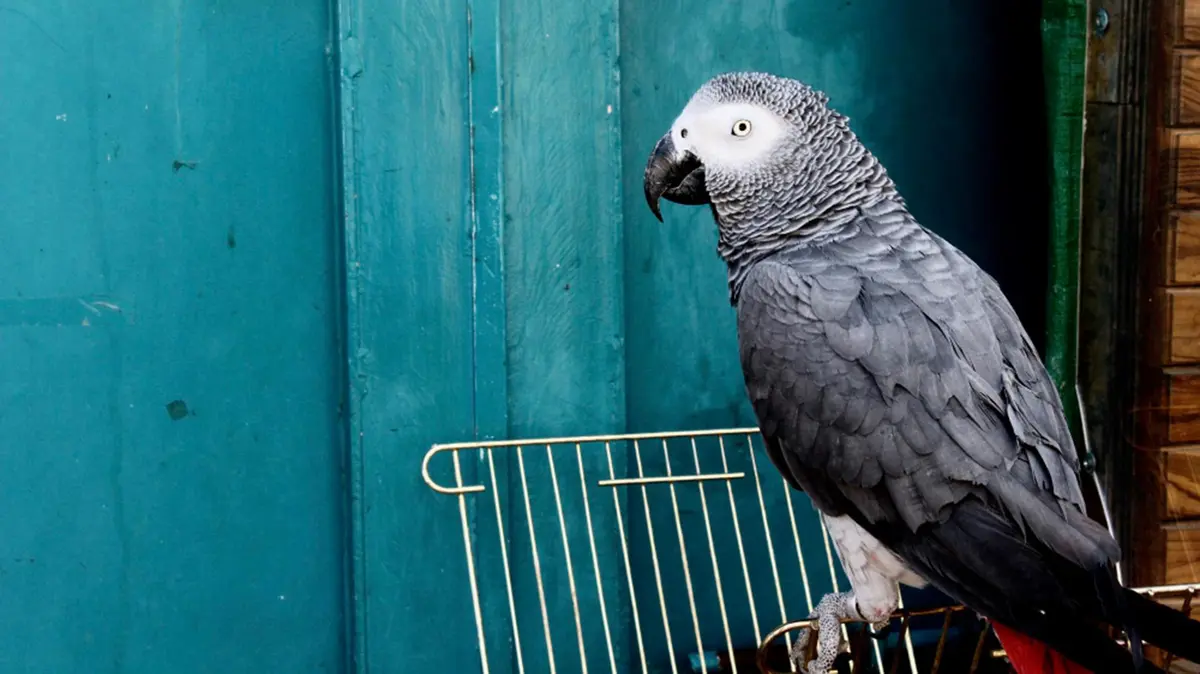
The African grey is the largest parrot in Africa, growing up to 33 cm long. Its plumage is charcoal‑grey with a striking crimson tail, a white facial mask and a strong curved beak. Males and females look alike. The bird is renowned for its intelligence and its ability to mimic human speech, with studies suggesting cognitive skills comparable to that of a young child. Wild populations live in the lowland rainforests and savanna edges of West and Central Africa, ranging from Côte d’Ivoire to western Kenya. They roost in large flocks at night but feed in smaller groups, consuming oil‑rich palm nuts, seeds, berries and maize. Pairs are monogamous and nest high up in tree hollows, laying two to four eggs.
Threats and conservation
- High demand in the pet trade: African grey parrots are prized for their talking ability. Conservation groups estimate that more than 1.3 million birds were legally exported between 1982 and 2001, and illegal capture continues. Up to two‑thirds of birds die before reaching the market, and harvesting has removed an estimated 21 percent of the wild population each year.
- Habitat loss: Deforestation and conversion of rainforest to farmland reduce nesting sites and food sources. The species depends on mature trees with suitable cavities for breeding.
- International protection: In 2016 CITES moved the African grey to Appendix I, banning commercial trade. The International Union for Conservation of Nature (IUCN) lists it as Endangered. India’s Wildlife (Protection) Act makes possession without registration an offence; owners must also report births, deaths and transfers of the bird.
Significance
- Ethical pet ownership: Publicising the legal status of African greys encourages responsible ownership. Potential buyers must ensure birds are captive‑bred, not wild‑caught, and must register them.
- Conservation awareness: Highlighting the species’ plight draws attention to the broader issue of the exotic pet trade and its impact on wildlife.
- Biodiversity protection: Safeguarding the African grey helps preserve rainforest ecosystems, where the parrots disperse seeds and maintain forest diversity.
Conclusion
The African Grey Parrot captivates people with its intelligence and speech, yet its popularity has come at a cost to wild populations. Laws that require registration and restrict trade are meant to curb illegal trafficking. For the species to survive in the wild, habitat protection, enforcement of international regulations and informed pet ownership are essential.
Sources: TH, National Geographic, The Economic Times