

Why in news?
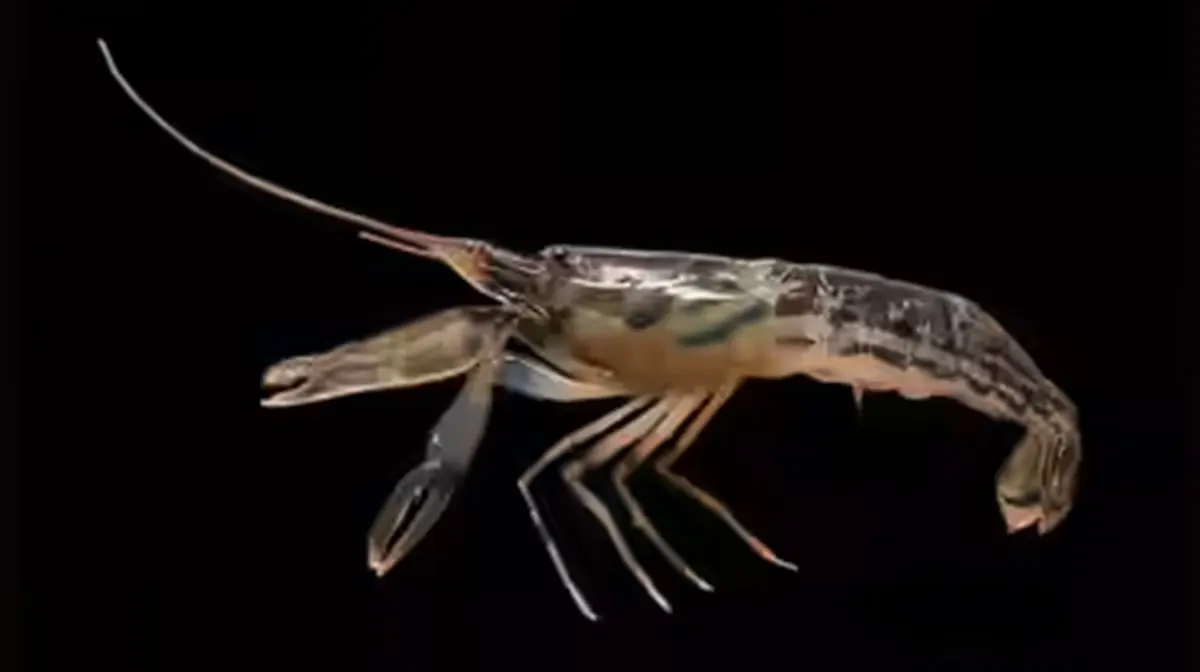
Researchers from Cochin University of Science and Technology have identified a new species of pistol shrimp in the Kochi backwaters. The tiny crustacean has been named Alpheus madhusoodanai in honour of Dr B. Madhusoodhana Kurup, a noted fisheries scientist. The discovery is the first record of an alpheid shrimp from an estuary in this region.
Background
Pistol shrimps (or snapping shrimps) belong to the family Alpheidae. They are well known for their oversized claw which can generate a loud “shot” underwater. When the claw snaps shut, it produces a high‑speed water jet that cavitates and forms a bubble. The collapse of this bubble creates a pressure wave and a flash of light – temperatures during the event can briefly reach thousands of degrees Celsius. Pistol shrimps use this remarkable ability to stun prey and communicate, and the sound can exceed 200 decibels, louder than a gunshot. Hundreds of species exist worldwide, most living in coral reefs or seagrass beds.
Discovery of Alpheus madhusoodanai
Scientists first encountered the new species during routine fishery sampling, when small shrimps became entangled in stake nets. Detailed morphological analysis and DNA barcoding confirmed that it was distinct from known relatives. Key points include:
- Habitat: Found in the mangrove‑rich backwaters of the Cochin estuary. The species burrows into soft sediments and helps maintain mangrove health by aerating the soil and releasing trapped gases.
- Appearance: Adults are olive green with blue‑tipped claws and peach‑coloured fingertips. A sharp black spot marks the tail segments. Compared with its close relative Alpheus rapax, it has a wider major claw and longer front legs.
- Significance: Named after Dr B. Madhusoodhana Kurup to recognise his contributions to fisheries science in Kerala. The find highlights the hidden biodiversity of India’s estuaries and underscores the need for further exploration of mangrove ecosystems.
- Ecological role: As an “ecosystem engineer,” the shrimp’s burrowing and snapping help turn over sediments, shape burrow networks and influence the distribution of microorganisms in the estuary.
Sources: Times of India