

Why in news?
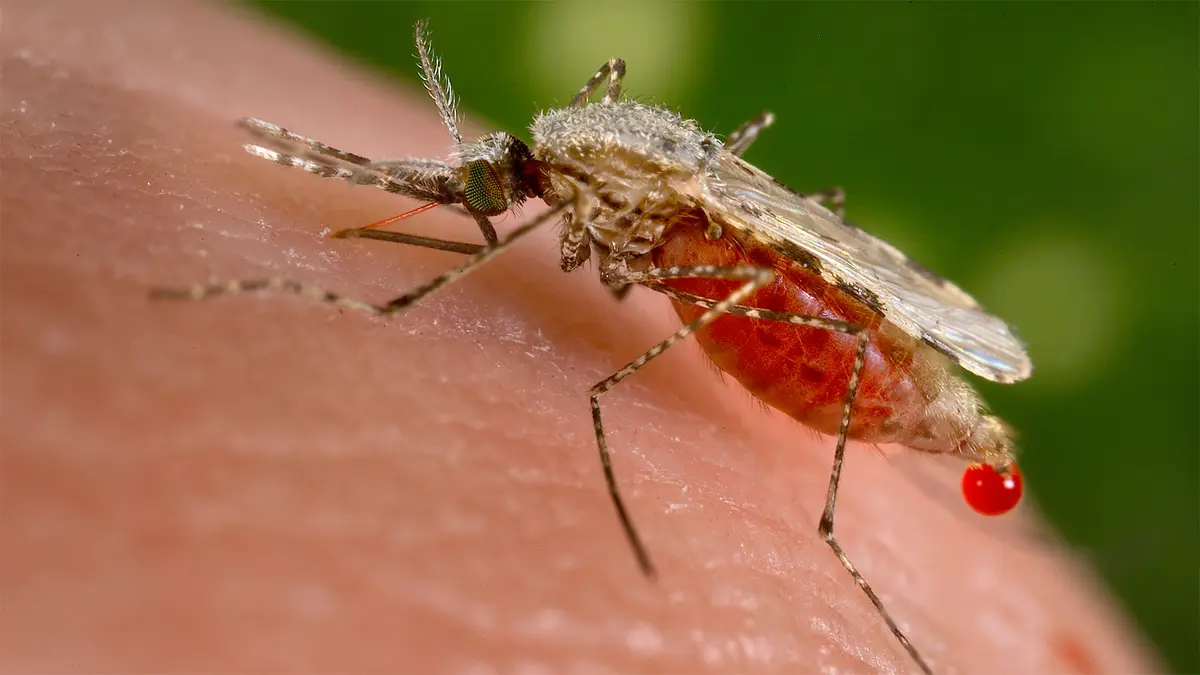
Public health experts have warned that Anopheles stephensi, a mosquito species native to South Asia and the Arabian Peninsula, is increasingly becoming a major malaria vector in African cities after being detected in Djibouti, Ethiopia and other countries. In India the species has long been the primary carrier of urban malaria. Its spread into new regions underscores the need for vigilance and innovative vector control strategies.
Background
Anopheles stephensi differs from many other malaria‑transmitting mosquitoes because it thrives in urban environments. It breeds in man‑made water containers such as overhead tanks, cisterns and construction sites. The mosquito is capable of transmitting both Plasmodium falciparum and Plasmodium vivax parasites and is well adapted to high temperatures and arid climates. In India and Pakistan it is responsible for most malaria cases in cities, whereas rural malaria is dominated by species such as Anopheles culicifacies.
Key characteristics
- Urban breeding: Unlike many malaria vectors that prefer clean, vegetated pools, An. stephensi breeds in artificial water storage systems, making it difficult to control through conventional methods.
- Invasive potential: The species has recently invaded parts of the Horn of Africa. Its ability to survive in man‑made habitats raises concerns that it could establish itself in other urban centres across the continent.
- Multiple forms: An. stephensi has three forms—type, intermediate and mysorensis—each with different preferences for human or animal blood. The type form is the most efficient at transmitting human malaria.
- Resilience: The mosquito can withstand desiccation and temperature extremes better than many other species, allowing it to persist through dry seasons.
Implications for public health
- Urban malaria resurgence: As cities expand and water storage practices increase, the risk of malaria transmission in urban areas rises. Outbreaks can strain healthcare systems that are often unprepared for malaria in densely populated settings.
- Control challenges: Traditional interventions such as insecticide‑treated bed nets and indoor residual spraying may be less effective because An. stephensi often bites outdoors and breeds in varied containers.
- Need for integrated strategies: Combating this vector requires community participation in managing water storage, improved housing, larval source management and surveillance to detect and respond to outbreaks quickly.
Conclusion
The emergence of Anopheles stephensi as a dominant urban malaria vector highlights the changing nature of infectious disease threats. Urban planners, public health officials and communities must work together to reduce breeding sites and develop tailored control strategies. Continued research on the mosquito’s biology and behaviour will be essential to prevent a resurgence of malaria in cities.
Source: The Hindu