

Why in news?
Scientists at the University of California, Berkeley and the Massachusetts Institute of Technology have discovered that a methane‑producing archaeon called Methanosarcina acetivorans interprets a standard stop codon in its genetic code as an instruction to insert the amino acid pyrrolysine. The finding, reported in late 2025, expands our understanding of the genetic code and suggests that some archaea use a flexible “21‑amino‑acid” code. This could have implications for biotechnological applications and the evolution of life.
Background
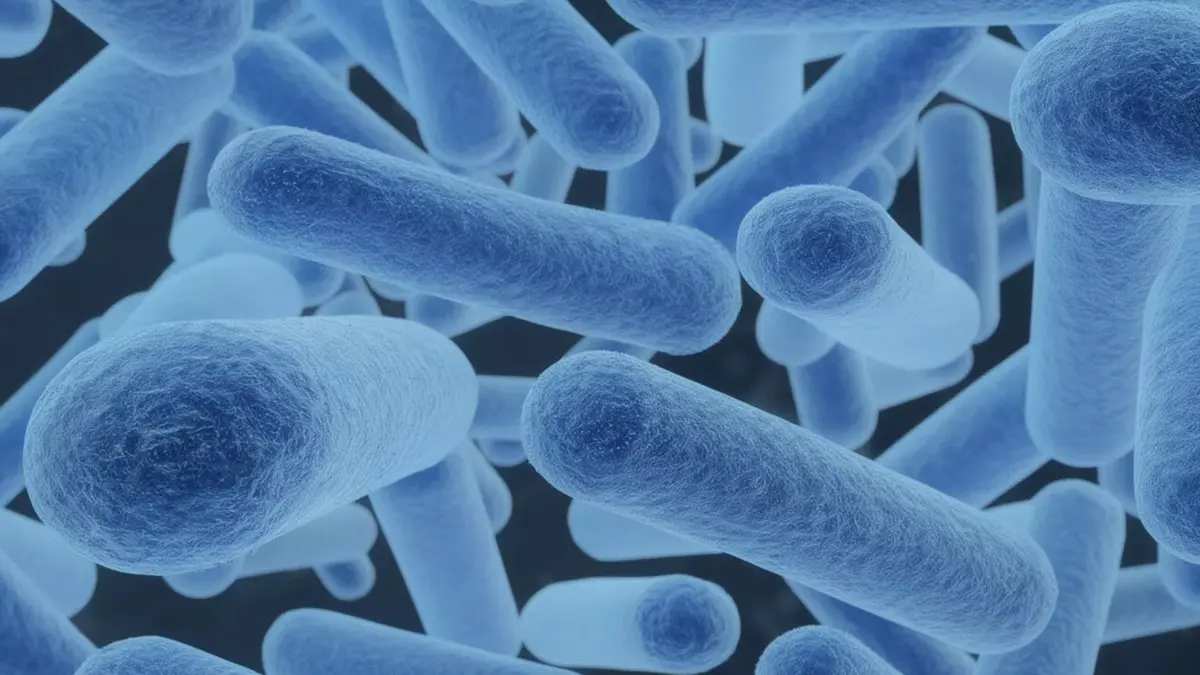
Archaea are single‑celled microorganisms that, along with bacteria and eukaryotes, constitute one of the three domains of life. Once grouped with bacteria, archaea were recognised in the 1970s as a distinct lineage based on differences in ribosomal RNA. Many archaea thrive in extreme environments such as boiling hot springs, hypersaline lakes, acidic mines and deep‑sea hydrothermal vents. They possess unique lipid membranes that remain stable under high temperatures and high salt concentrations. Some archaea, such as methanogens, produce methane by metabolising carbon dioxide and hydrogen.
Characteristics
- Extreme habitats: Thermophilic archaea live in hot springs above 80 °C, halophiles inhabit salty lakes and acidophiles survive at low pH. Others live in more moderate environments, including soil and the human gut.
- Unique cell membranes: Archaeal membranes contain ether linkages rather than the ester linkages found in bacteria and eukaryotes. Some have monolayer membranes for added stability.
- Genetic adaptability: Archaea have compact genomes and possess genes for enzymes that function under extreme conditions.
New findings on the genetic code
- Stop codon reinterpreted: In most organisms, the codon UAG signals the ribosome to stop translating a protein. The discovery in Methanosarcina acetivorans shows that this archaeon sometimes reads UAG as a codon for pyrrolysine, the 22nd natural amino acid.
- Expanded genetic code: The ability to incorporate pyrrolysine suggests that some archaea have an expanded genetic code. This flexibility may have evolved to adapt to unique metabolic needs, such as synthesising enzymes for methane production.
- Implications for biotechnology: Understanding how cells reinterpret stop codons could inform strategies to correct genetic diseases caused by premature stop codons and enable the design of novel proteins incorporating non‑standard amino acids.
Applications and significance
- Methane cycling: Methanogenic archaea play a major role in global carbon cycling. Insights into their genetic machinery can improve models of greenhouse gas emissions and inform climate policy.
- Bioengineering potential: Enzymes from extremophilic archaea are used in industrial processes, such as PCR and wastewater treatment. Genetic code expansion could create enzymes with new capabilities.
- Evolutionary insights: Studying archaeal genomes sheds light on the early evolution of life and the origin of eukaryotes, which likely emerged from an archaeal ancestor.
Sources: The Hindu