

Why in news?
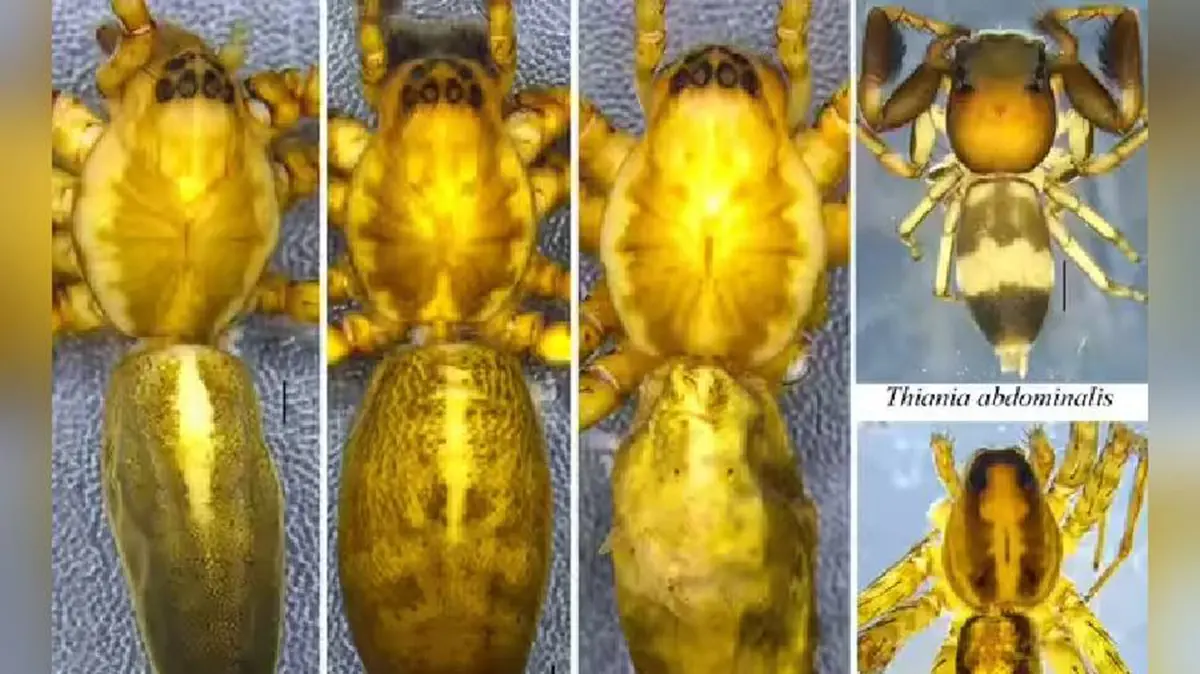
Researchers from the Zoological Survey of India (ZSI) reported two new jumping spider species from the Khasi Hills in Meghalaya. The discoveries, named Asemonea dentis and Colyttus nongwar, highlight how unexplored forests in north‑eastern India still hold unique biodiversity. The find was widely covered because it marked the first report of the genus Asemonea from India and because the species nongwar honours a local conservation guide.
Background
Jumping spiders (family Salticidae) are small, active hunters known for their keen eyesight and agile leaps. They do not spin webs to catch prey but stalk and pounce on insects. The Khasi Hills, part of the Meghalaya subtropical forests, are an ecological hotspot where many species remain undocumented. During biodiversity surveys, ZSI scientists examined leaf litter and understory vegetation and came across two unusual spiders.
Features of the new species
- Asemonea dentis: This species has a slim body about 4 millimetres long with translucent green legs. Males have delicate, elongated palps and small teeth‑like projections that inspired the species name “dentis”. The genus Asemonea is distinguished by its long legs and the tendency to walk rather than jump. Finding it in India expands the known range of this group.
- Colyttus nongwar: Slightly larger, around 4.5 millimetres, this spider has a brownish carapace and a pattern of white and dark markings on its abdomen. The species was named after Donkupar Nongwar, a local Khasi youth who guided scientists during fieldwork and promotes conservation in Mawphlang. Males show elongated spinnerets and a distinct shape of the palpal bulb, features that separate them from other Colyttus species.
Significance
- These discoveries emphasise that north‑eastern India remains a biodiversity frontier where many small animals are still unknown.
- Identifying new species helps scientists understand evolutionary relationships and plan conservation strategies for fragile habitats.
- Naming Colyttus nongwar after a local guide recognises community contributions to wildlife research and encourages local stewardship of forests.
Sources: TELE