

Why in news?
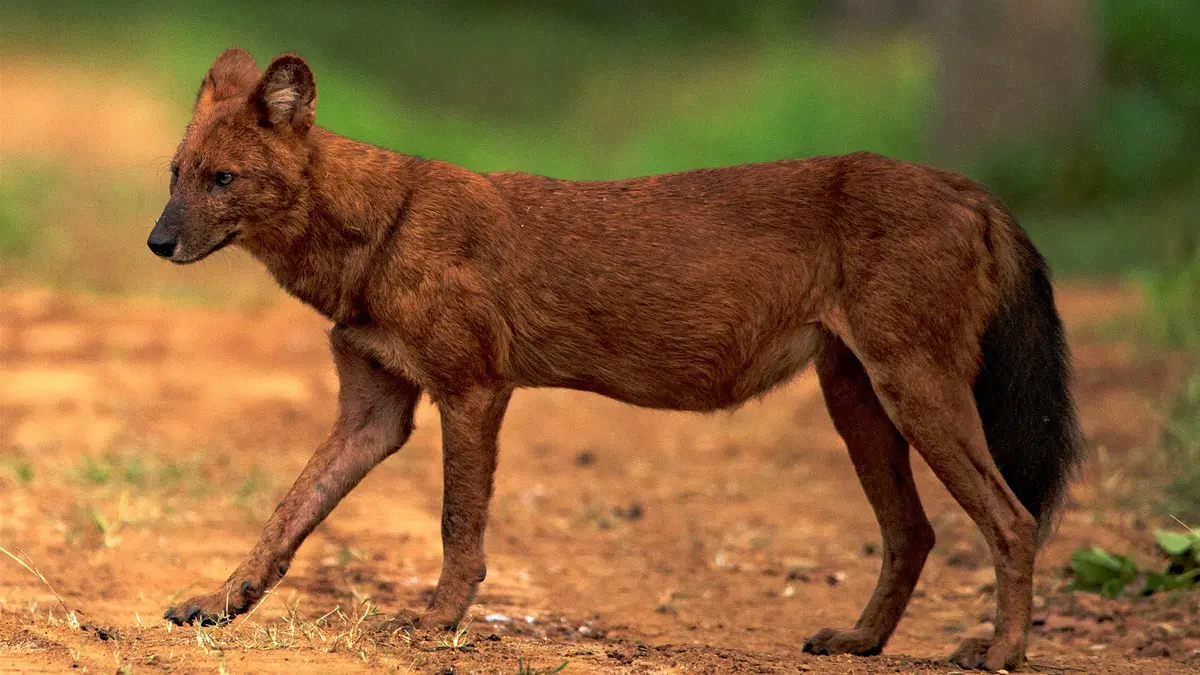
A camera trap in Ratapani Tiger Reserve, Madhya Pradesh, captured an Asiatic wild dog — commonly called the dhole — in January 2026. This is the first confirmed sighting of the species in the reserve and has excited conservationists.
Background
The dhole (Cuon alpinus) is a medium‑sized wild dog native to South and Southeast Asia. With a reddish coat and bushy tail, dholes live in family packs and use high‑pitched whistles to communicate. Once widespread across Asia, they have lost much of their habitat to development, decline of prey and disease transmission from domestic dogs. The International Union for Conservation of Nature lists them as Endangered.
Key facts about dholes
- Endangered status: Scientists estimate that only 4,500–10,000 adult dholes remain in the wild, largely within forested regions of India and Southeast Asia.
- Pack hunting: Dholes hunt cooperatively, chasing prey such as deer or wild pigs and often losing kills to larger predators like tigers or leopards.
- First record in Ratapani: The recent sighting suggests that the reserve may provide suitable habitat or that the species is recolonising areas from which it had disappeared.
- Main threats: Habitat fragmentation, depletion of prey, disease and human conflict continue to threaten dhole populations.
Significance
- The presence of a top carnivore like the dhole indicates a healthy prey base and functioning ecosystem in Ratapani Tiger Reserve.
- Recording this elusive species underscores the need for systematic surveys and habitat protection across central India.
- Community involvement and awareness can help reduce human–wildlife conflict and support dhole conservation.
Conclusion
The camera trap image offers hope for the survival of the dhole. Continued monitoring, habitat protection and conservation awareness are essential to secure the future of this endangered canid.
Source: ETV Bharat