Why in news?
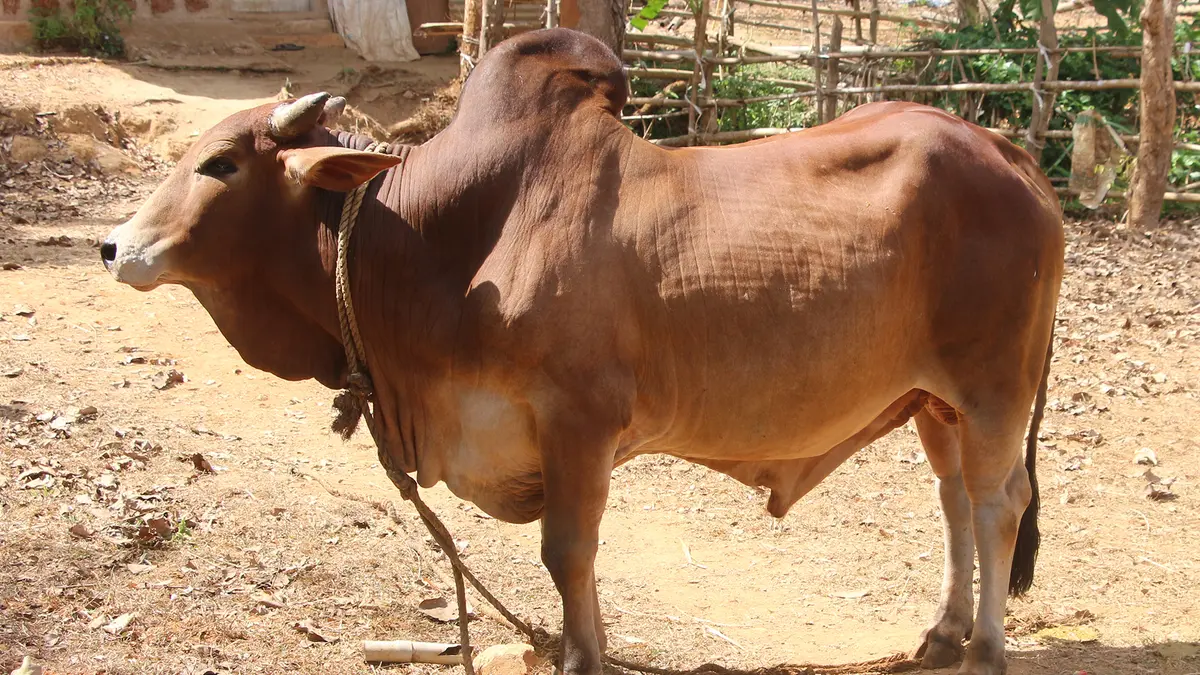
Scientists at the Indian Veterinary Research Institute (IVRI) announced in early March 2026 that they had successfully produced five healthy Sahiwal calves using an advanced reproductive technique known as ovum pick‑up, in vitro fertilisation and embryo transfer (OPU–IVF–ET). The calves were born between 28 February and 4 March 2026. This marks India’s first major success in applying the technology to an indigenous dairy breed.
Background
The Sahiwal is a prized zebu cattle breed originating from the Punjab region. Known for its high milk yield, heat tolerance and disease resistance, it plays an important role in India’s dairy economy. Traditional breeding advances genetic improvement slowly because a cow produces only a few calves in her lifetime. Assisted reproductive technologies accelerate this process by generating many embryos from elite animals and implanting them into surrogate mothers.
How OPU–IVF–ET works
- Ovum pick‑up (OPU): Veterinarians collect unfertilised eggs (oocytes) from the ovaries of high‑genetic‑merit cows using ultrasound‑guided aspiration. This minimally invasive procedure can harvest numerous oocytes in a single session.
- In vitro fertilisation (IVF): The oocytes are matured and fertilised in the laboratory using semen from bulls with proven milk‑production lineage. After division, the embryos are cultured for several days.
- Embryo transfer (ET): Viable embryos are transferred into the uteri of surrogate cows (recipient dams) that carry the pregnancy to term. This allows a single donor cow to produce many offspring in a year.
Significance of the breakthrough
- Genetic improvement: By multiplying the genes of elite Sahiwal cows, OPU–IVF–ET can rapidly enhance milk yield, disease resistance and reproductive traits in the national herd.
- Conservation of indigenous breeds: The technology reduces reliance on imported cattle and cross‑breeds, helping preserve India’s native dairy germplasm.
- Capacity building: IVRI plans to train veterinarians and farmers to adopt the technique on a larger scale. Successful field‑level application could transform breeding programmes for buffaloes and other indigenous cattle.
Conclusion
The birth of five Sahiwal calves through OPU–IVF–ET is a milestone for Indian dairy science. It demonstrates that modern reproductive technologies can augment traditional breeding without undermining indigenous breeds. With proper training and infrastructure, such techniques may help meet the growing demand for milk while safeguarding India’s rich bovine heritage.
Source: Down to Earth