

Why in news?
Viral videos have surfaced showing roasted chana (gram) being coated with an industrial dye known as Auramine O to make it appear brighter. Politicians and consumer groups have raised concerns because Auramine O is banned for use in food. The incident has renewed calls for stricter enforcement of food safety regulations and awareness among consumers.
Background
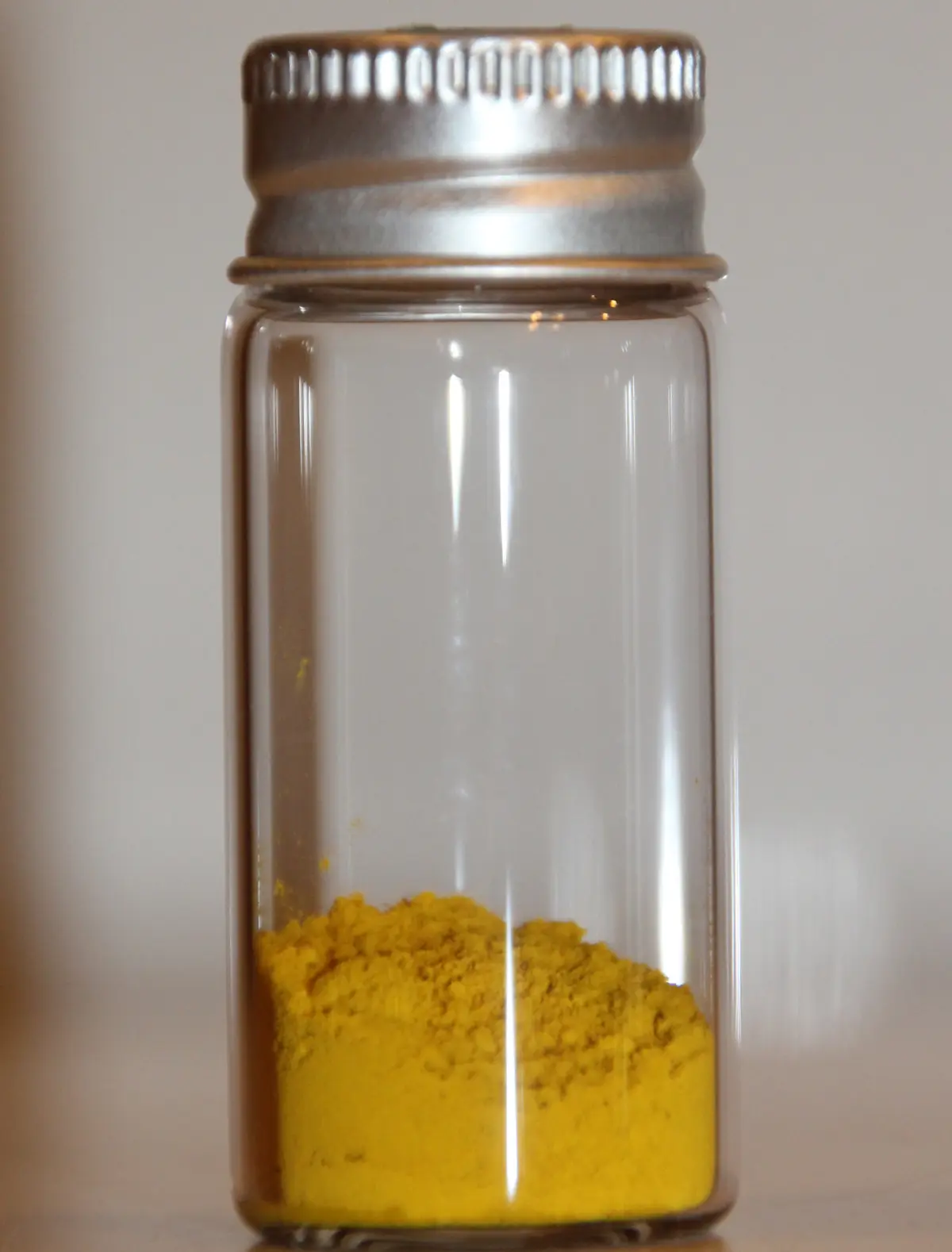
Auramine O, also called basic yellow 2, is a synthetic dye used in the textile, leather and paper industries. It produces a vivid yellow colour and is valued for its low cost and high stability. However, scientific studies have shown that Auramine O can cause toxicity in animals, including damage to the liver and brain and an increased risk of cancers such as bladder tumours. For this reason India’s Food Safety and Standards Act (2006) and corresponding regulations prohibit the addition of Auramine O to food products. Despite this, unscrupulous traders sometimes use the dye to enhance the appearance of grains, pulses and sweets.
Why do sellers use it?
- Visual appeal: Grains coated with Auramine O develop a bright yellow sheen that many consumers associate with freshness and crispness. This can artificially inflate demand and allow vendors to charge higher prices.
- Masking defects: The dye can conceal uneven roasting or poor quality, enabling old or inferior stock to be sold as premium roasted chana.
- Cheap and easy application: Auramine O dissolves readily in water and oil, making it simple to apply at home or in small processing units. Because it is inexpensive, unscrupulous operators see it as a quick way to boost profits.
Health risks
- Carcinogenic potential: Research has linked Auramine O exposure to bladder cancer and tumours of the lymphatic system. It can generate harmful metabolites that damage DNA.
- Organ toxicity: Animal studies indicate that prolonged ingestion affects the liver, kidneys and central nervous system. Symptoms may include vomiting, abdominal pain, headaches and dizziness.
- Reproductive and developmental effects: Some studies suggest that the dye may harm reproductive organs and fetal development, although human data are limited.
Protecting yourself
- Buy from reputable sources: Purchase roasted chana and other snacks from trusted shops or brands that adhere to food safety standards.
- Check appearance and smell: Naturally roasted chana has a brownish hue and nutty aroma. Products that look unnaturally bright yellow or have a strong chemical smell should be avoided.
- Simple tests: Soak a few grains in warm water. If the water turns bright yellow, the product may be adulterated. Rubbing the grains with a wet cloth can also reveal artificial colour.
- Report violations: If you suspect adulteration, inform local food safety authorities. Awareness campaigns and strict penalties are necessary to deter this practice.
Conclusion
The use of industrial dyes like Auramine O in food is illegal and dangerous. While authorities must tighten surveillance and enforce penalties, consumers also play a role by staying vigilant and spreading awareness. A healthy diet should not rely on artificial colours but on the natural quality of ingredients.
Source: TH,