

Why in news?
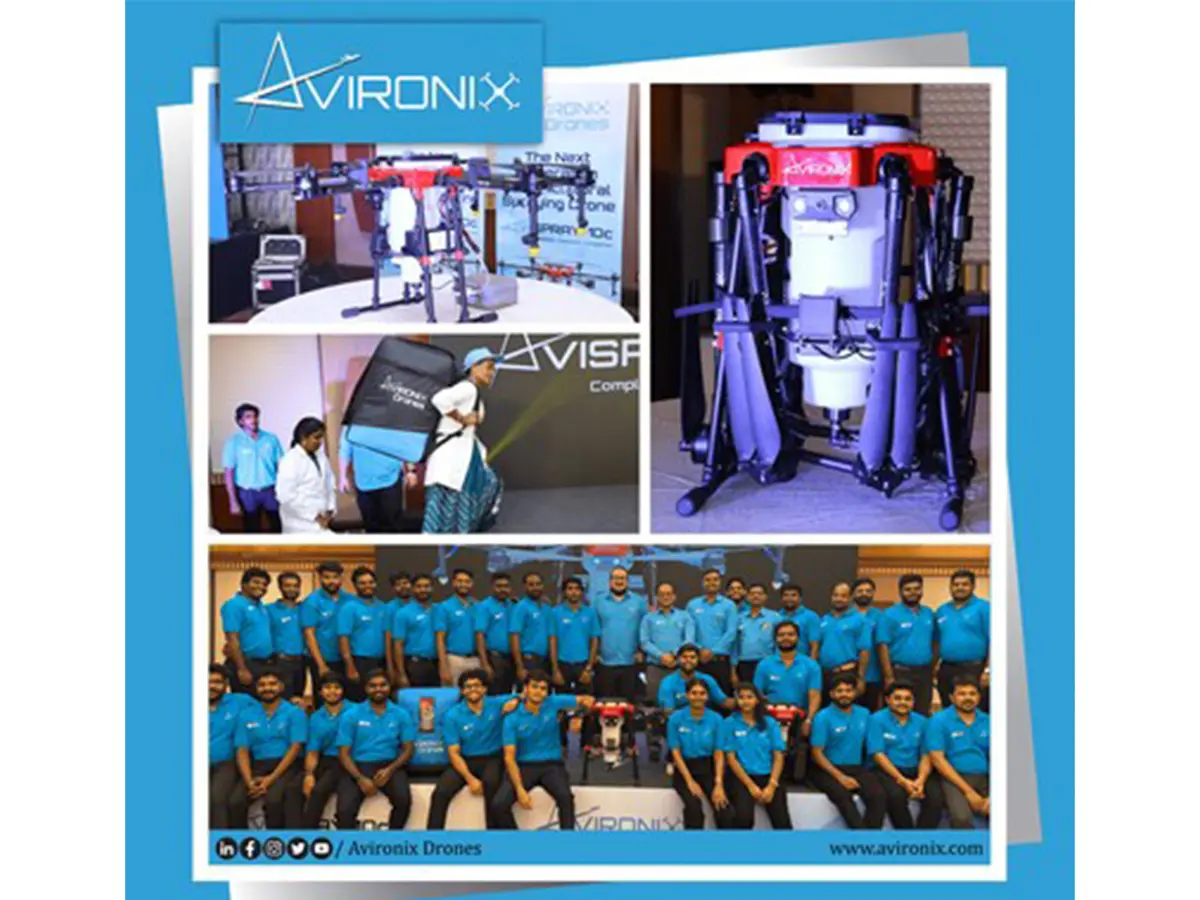
AvironiX, a deep‑tech drone company based in Chennai, unveiled the AviSpray‑10c in December 2025. The backpack‑sized drone aims to transform crop‑spraying by making aerial application affordable for small farmers. It drew attention because it is 53 percent smaller than earlier agricultural drones while promising better performance and field‑tested reliability.
Background
Crop‑spraying drones use a multi‑rotor platform to deliver pesticides and fertilisers evenly over fields. They help reduce exposure of farmers to chemicals and ensure precise application. Traditional drones are heavy and need large vehicles for transport. AvironiX engineers, following the Japanese philosophy of “Genchi Genbutsu” (go and see), spent years testing prototypes across more than 6,000 acres of sugarcane, paddy and other crops. Feedback from farmers shaped the final design.
Key features
- Compact and portable: The drone folds into a backpack‑sized package and is 53 percent smaller than standard agri‑drones. A single operator can carry it on a two‑wheeler and deploy it without extra helpers.
- Efficient spraying: One battery can cover up to 5 acres, a 60 percent improvement over comparable platforms. It holds a 10‑litre tank with swappable nozzles and chemical containers.
- Advanced sensors: Terrain‑following radar and collision‑avoidance systems help maintain consistent height and prevent accidents. The hexacopter design improves stability and spray accuracy by 2× compared with older drones.
- Customer support: AvironiX has created a national network of trained agri‑drone experts who provide pilot training, maintenance contracts and quick field repairs. Future upgrades may include plant‑sensing technology for real‑time data‑driven spraying.
Why it matters
- The smaller size lowers capital and operating costs, making precision agriculture viable for small and marginal farmers.
- Accurate spraying reduces chemical use and improves yields, helping farmers meet sustainability goals.
- Field‑validated design increases reliability in varied Indian conditions such as heat, dust and humidity.
Source: BS