

Why in news?
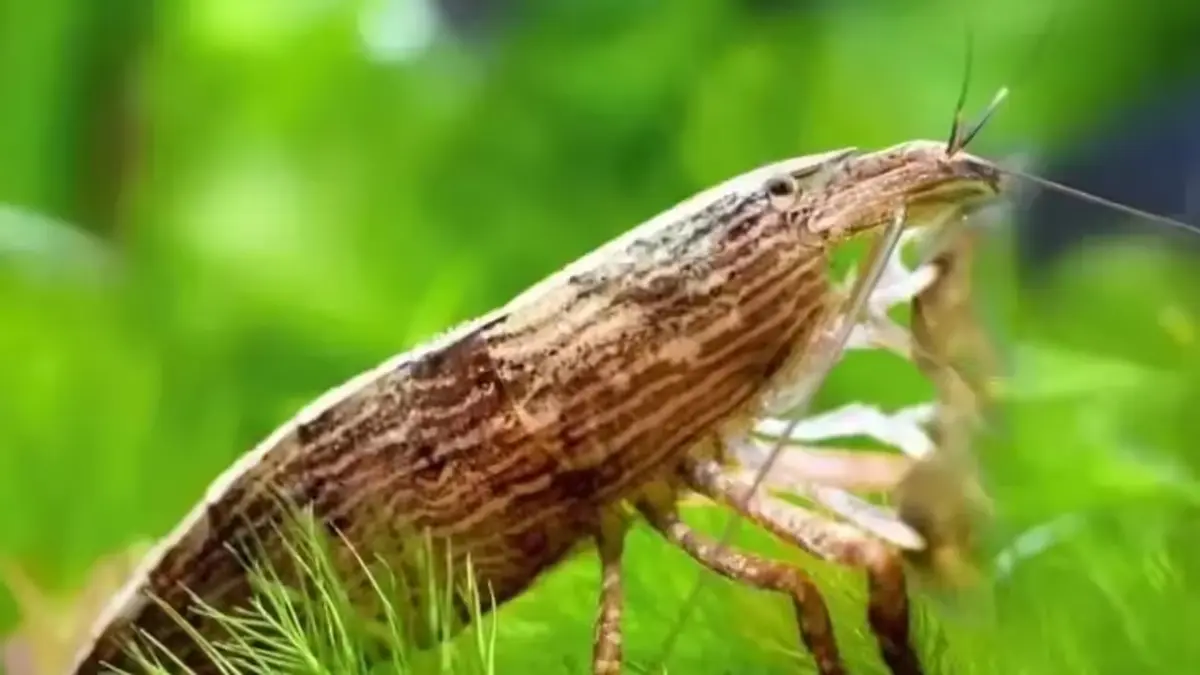
A team of researchers from the Centre for Climate Change Studies at Sathyabama Institute of Science and Technology, Chennai, has rediscovered populations of the bamboo shrimp (Atyopsis spinipes) in India. The species was last documented in the country over 70 years ago and was long thought to be absent from Indian waters. The rediscovery was made in Karnataka and Odisha in 2025.
Background
The bamboo shrimp, also known as the wood shrimp, flower shrimp or Asian fan shrimp, is a medium‑sized freshwater crustacean native to Southeast Asia. It is a filter feeder with fan‑like appendages that sweep microscopic food particles from the water. The species is amphidromous: its larvae develop in brackish estuaries before migrating upstream to freshwater habitats.
Highlights of the rediscovery
- Survey efforts: The search began in 2022 after an aquarium hobbyist in Odisha found a mature bamboo shrimp. Researchers scoured brackish waterways with sandy beds, leaf litter and mangrove cover in Odisha and along the west coast of Karnataka. After two years, specimens were collected from Udupi, Karwar and Mangaluru.
- Identification: Earlier records from the 1950s had misidentified Indian bamboo shrimp as Atyopsis mollucensis. Genetic analysis confirmed that all specimens belong to the species Atyopsis spinipes, which has greater tolerance for salinity and temperature changes.
- Ecology:
- These shrimp inhabit fast‑flowing streams and rivers, hiding among rocks and driftwood. They are nocturnal and often shelter under cover during the day.
- Body colour varies with mood; shrimp become brighter when undisturbed and pale under stress.
- They use their feathery front legs to filter algae and plankton from the water.
- Conservation concerns: The rediscovery underscores the need for systematic surveys and genetic validation of freshwater fauna. Many species may remain undocumented, and habitat destruction from sand mining, dam building and pollution threatens aquatic biodiversity. Unsustainable harvesting for the aquarium trade poses an additional risk since bamboo shrimp are difficult to breed in captivity.
Source: WhatsApp Telegram Share on X