

Why in news?
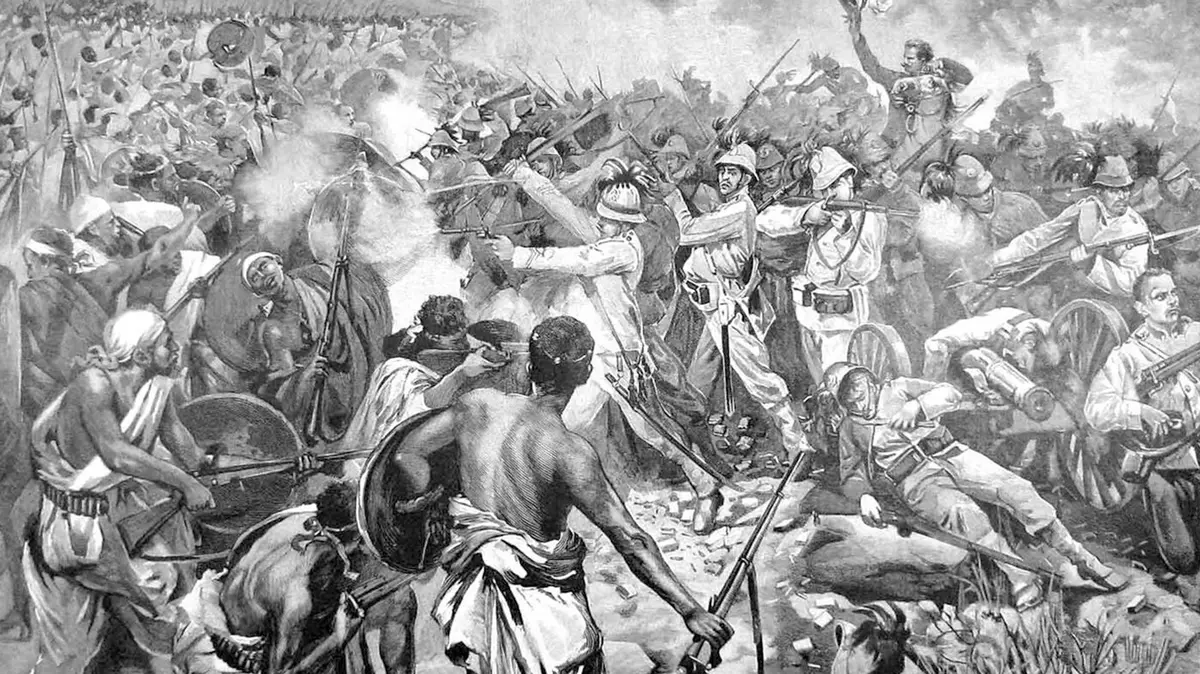
During his state visit to Ethiopia in December 2025, India’s Prime Minister paid homage at the Adwa Victory Monument, honouring Ethiopian soldiers who defeated Italian invaders in 1896. The wreath‑laying ceremony drew attention to the historic Battle of Adwa, a symbol of African resistance to European colonisation.
Background
The Battle of Adwa, fought on 1 March 1896, was the decisive engagement of the First Italo‑Ethiopian War. The conflict stemmed from differing interpretations of the 1889 Treaty of Wuchale: Italy claimed it established a protectorate over Ethiopia, while Emperor Menelik II maintained that Ethiopia remained sovereign. When negotiations failed, Italian forces under General Oreste Baratieri advanced into the Ethiopian highlands.
Menelik II mobilised a large and diverse Ethiopian army, estimated at 70 to 100 thousand warriors, including contingents from various provinces and ethnic groups. The Italian expeditionary force numbered roughly 17 thousand and included colonial troops from Eritrea. Misjudging Ethiopian strength and terrain, the Italians divided their troops into several columns.
The battle and its outcome
- Italian miscalculations: The Italian columns became separated in the rugged terrain near Adwa. Ethiopian forces, who knew the landscape well, were able to attack isolated units one by one.
- Unified Ethiopian leadership: Menelik II and Empress Taytu Betul coordinated armies from Shoa, Tigray and other regions. Their forces outflanked and overwhelmed Italian positions.
- Decisive victory: The Italians suffered heavy casualties and were forced to retreat. The defeat compelled Italy to sign the 1896 Treaty of Addis Ababa, recognising Ethiopia’s independence.
Significance
- Defence of sovereignty: The victory ensured that Ethiopia remained one of the few African nations not colonised during the “Scramble for Africa”.
- Inspiration for Pan‑Africanism: The triumph resonated across the continent and the African diaspora, inspiring leaders of liberation movements and symbolising African unity and resistance.
- Modern recognition: The Adwa Victory Monument and related museums preserve the memory of the battle. Annual commemorations and international visits highlight its enduring legacy.
Conclusion
The Battle of Adwa stands as a landmark in the history of anti‑colonial struggles. By remembering the courage and diplomacy of Menelik II and his compatriots, leaders like the Indian Prime Minister emphasise solidarity among nations that have resisted oppression. The battle’s legacy continues to inspire movements for freedom and dignity.
Source: DD News