
Why in news?
Recent research led by the University of Birmingham has shown that wetlands engineered by beavers can lock away large amounts of carbon. Studying beaver‑created ponds and dams in Switzerland, scientists found that these landscapes stored carbon at rates up to ten times higher than comparable river systems without beavers. The findings suggest that reintroducing beavers to river corridors could aid climate‑change mitigation by creating natural carbon sinks.
Background
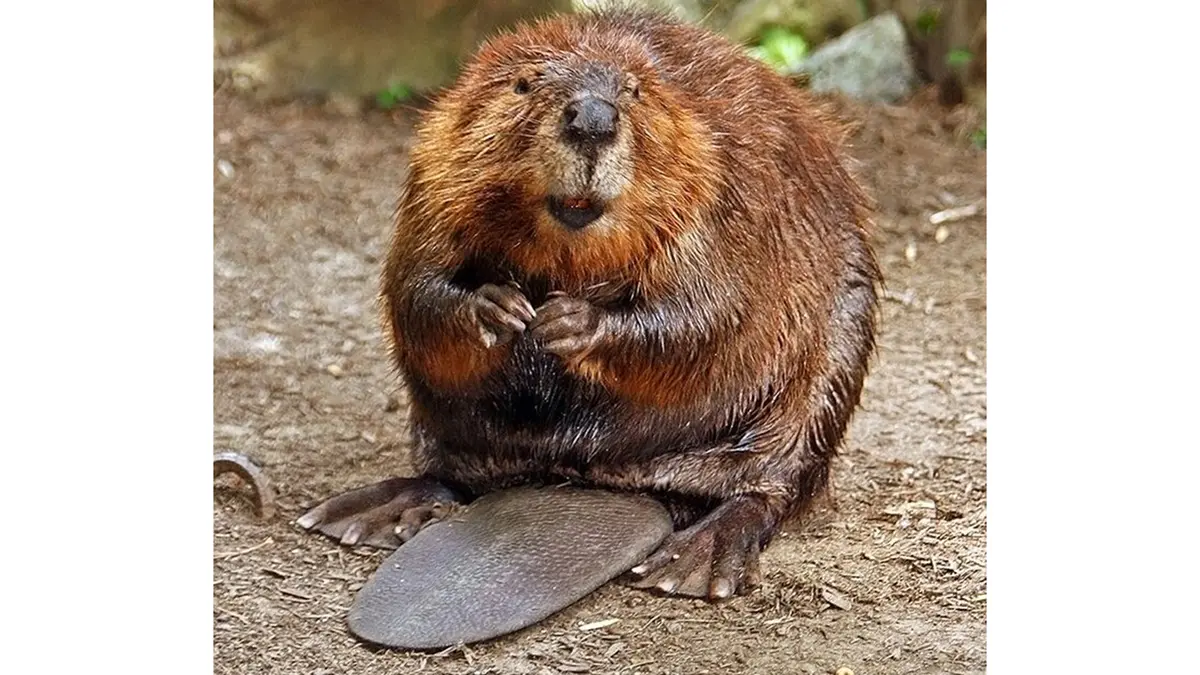
Beavers are semi‑aquatic rodents renowned for their ability to build dams, lodges and canals. Two species exist: the North American beaver (Castor canadensis) and the Eurasian beaver (Castor fiber). They inhabit streams, marshes, rivers and lakes across North America, Europe and parts of Asia. With stocky bodies, webbed hind feet, and broad flat tails, beavers are well‑adapted to a life in water. Their strong orange incisors continuously grow, allowing them to fell trees and construct dams that create ponds and wetlands.
What the study found
- Enhanced carbon storage: Over a thirteen‑year period, beaver‑engineered wetlands accumulated around 1,200 tonnes of carbon. These wetlands trap sediment and organic matter, reducing the downstream transport of carbon and providing conditions for long‑term burial.
- Negligible methane emissions: Despite concerns that flooded wetlands emit methane, the study found methane emissions from beaver ponds to be minimal compared with the amount of carbon stored.
- Ecosystem engineering: By slowing water flow, beaver dams expand riparian wetlands, improve water retention and increase biodiversity. These changes also reduce flood peaks downstream and improve water quality by trapping sediments.
- Potential for climate action: Researchers estimated that restoring beavers could offset 1.2–1.8 percent of Switzerland’s annual carbon emissions. Scaling up reintroductions across suitable catchments may provide a nature‑based climate solution.
About beavers
- Habits and habitat: Beavers build dams to create deep ponds where they construct lodges with underwater entrances, protecting themselves from predators. They are most active at night and communicate by slapping their tails on the water to warn of danger.
- Diet: They eat bark, twigs, aquatic plants and herbaceous vegetation. In winter they rely on cached branches stored underwater.
- Lifespan: In the wild, beavers typically live 10–12 years and raise kits in family groups. Juveniles remain with their parents for two years before dispersing.
Significance
- Nature‑based carbon sequestration: Beaver reintroduction is a low‑cost strategy for locking away carbon while enhancing biodiversity and water security.
- Flood and drought mitigation: Beaver dams slow runoff and recharge groundwater, helping to reduce flood peaks in wet seasons and maintain flows during dry periods.
- Restoration of ecosystems: Once trapped or hunted out, beavers are making a comeback in many regions. Their return can revive degraded riparian habitats and support landscapes resilient to climate change.
Source: University of Birmingham

