

Why in news?
Veterinary authorities reported outbreaks of Bluetongue disease in parts of Europe and Asia, sparking concern among livestock farmers. Understanding the virus and its control measures is essential to protect animal health and prevent economic losses.
Background
Bluetongue is a viral disease affecting domestic and wild ruminants, particularly sheep, goats, cattle and deer. The virus (BTV) is transmitted primarily by tiny biting midges of the Culicoides species. Unlike foot‑and‑mouth disease, it does not spread through direct contact between animals; the insect vector is essential for transmission. There are at least 27 known serotypes of BTV, and different strains circulate in different regions.
Transmission and symptoms
- Vector‑borne spread: BTV is transmitted when infected midges bite susceptible animals. In rare cases, a pregnant animal can pass the virus to its unborn offspring.
- Most affected species: Sheep are highly susceptible and often develop severe disease. Cattle may carry the virus without obvious signs but contribute to its spread.
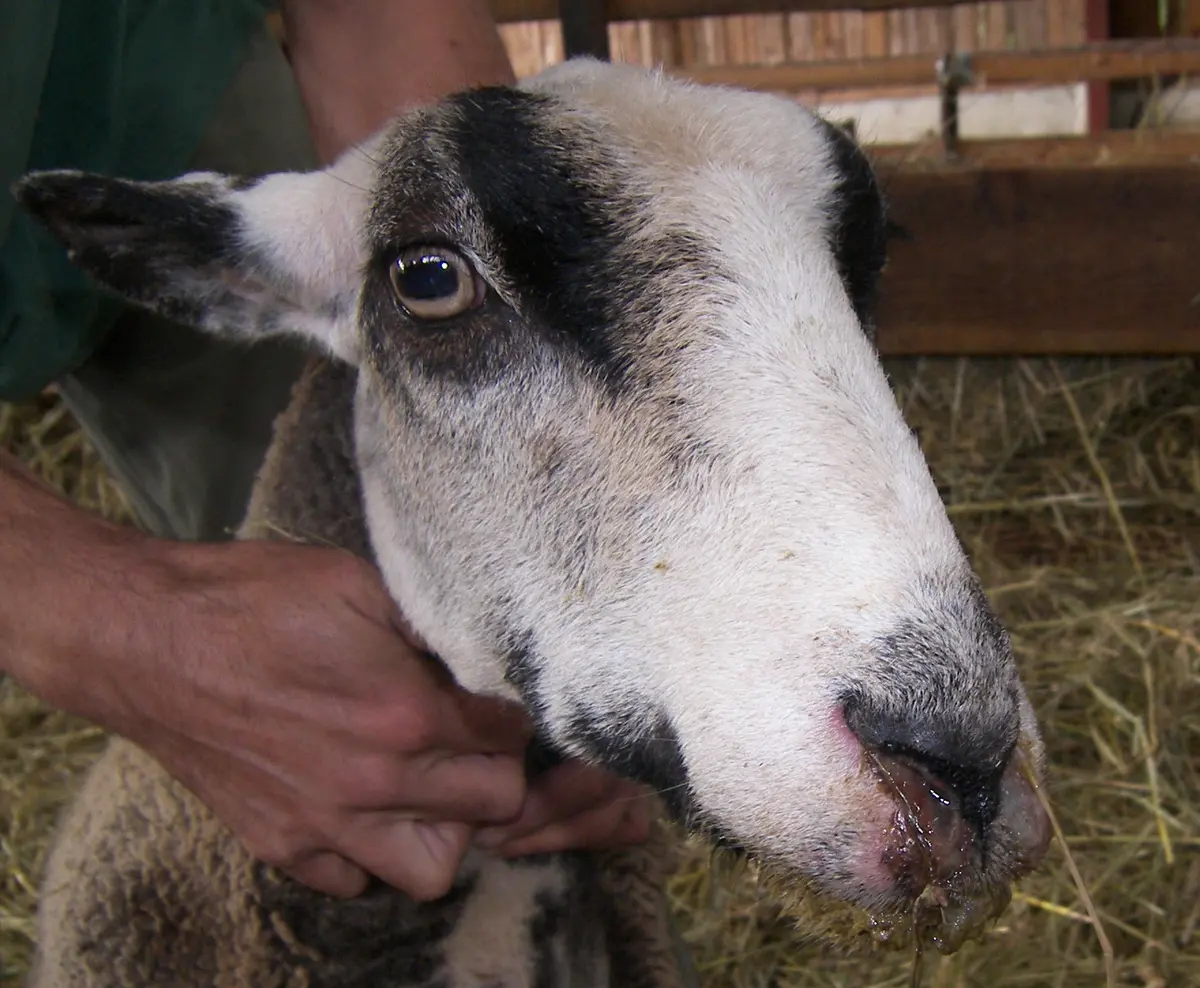
- Clinical signs: Infected animals may develop high fever (40–42 °C), swelling of the lips, tongue and face, nasal discharge, ulcers in the mouth, lameness and difficulty breathing. Some may exhibit a bluish‑coloured tongue due to lack of oxygen, which gives the disease its name.
- Mortality and recovery: Mortality rates vary. Young lambs can suffer losses of up to 30 %, while adult sheep often recover. Cattle usually survive but experience weight loss and reduced milk production.
Control and prevention
- No direct cure: There is no specific antiviral treatment for Bluetongue. Care is supportive—providing fluids, controlling secondary infections and reducing stress.
- Vector control: Reducing midge populations through insecticides, eliminating standing water and housing animals indoors during peak midge activity can lower transmission.
- Vaccination: Vaccines are available for some serotypes and are used in regions where the disease is endemic. Vaccination programmes must match circulating strains to be effective.
- Surveillance: Rapid detection and reporting help authorities implement movement controls and protect disease‑free areas.
Conclusion: Bluetongue virus poses a significant risk to livestock industries worldwide. Vigilant surveillance, vector control and targeted vaccination are the best defences against this debilitating disease.
Source: BBC