

Why in news?
A tragic incident in Tamil Nadu drew national attention when a young college student consumed venkaaram, commonly known as borax, after watching a video that promised quick weight loss. She soon developed severe vomiting and diarrhoea and later died despite medical treatment. The case has sparked widespread discussion about the misuse of household chemicals and the lack of reliable information on weight‑loss aids.
Background
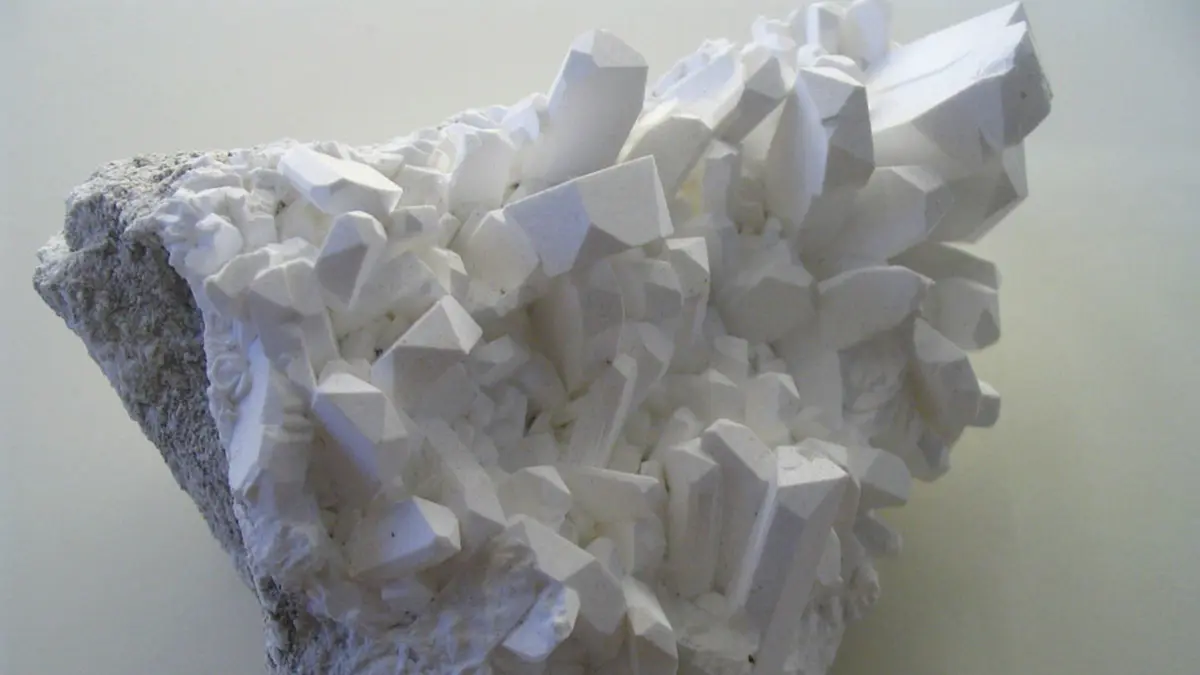
Borax (sodium tetraborate) is a naturally occurring salt of boric acid. It appears as a white, powdery mineral and dissolves easily in water. In households it is used as a laundry booster, cleaning agent and insecticide, and is also found in some cosmetics and craft supplies. In industries it acts as a flux in metallurgy, a component of glass and ceramics, and a fire‑retardant. These uses rely on its chemical properties; none involve ingestion. Regulatory agencies prohibit adding borax to food because even small amounts can irritate skin and eyes and cause digestive problems or more serious toxicity.
Health effects and risks
- Not for consumption: Borax is not a dietary supplement. Swallowing it can lead to nausea, vomiting, diarrhoea, abdominal pain and, in severe cases, seizures, kidney failure, shock and even death. Doctors emphasise that there is no safe dose for weight‑loss purposes.
- Misleading online advice: Social media videos often market borax as a “fat‑melting” miracle. These claims are unscientific and dangerous. Quick‑fix weight‑loss remedies can do more harm than good because they bypass professional medical advice.
- Proper uses: In the home, borax can be used as a detergent booster, stain remover and pest control agent. It is also used in certain cosmetics and children’s slime. None of these uses involve ingesting it.
- Safer alternatives: Sustainable weight management relies on balanced nutrition, regular exercise and consultation with healthcare providers. If weight‑loss medication is necessary, it should be prescribed by a qualified doctor.
Conclusion
The unfortunate death underscores the dangers of self‑medicating with household chemicals. There are no shortcuts to weight loss, and products like borax are meant for cleaning, not consumption. Always seek professional guidance before taking any substance marketed for health or weight‑loss benefits, and be wary of unverified advice on social media.
Source: NDTV