

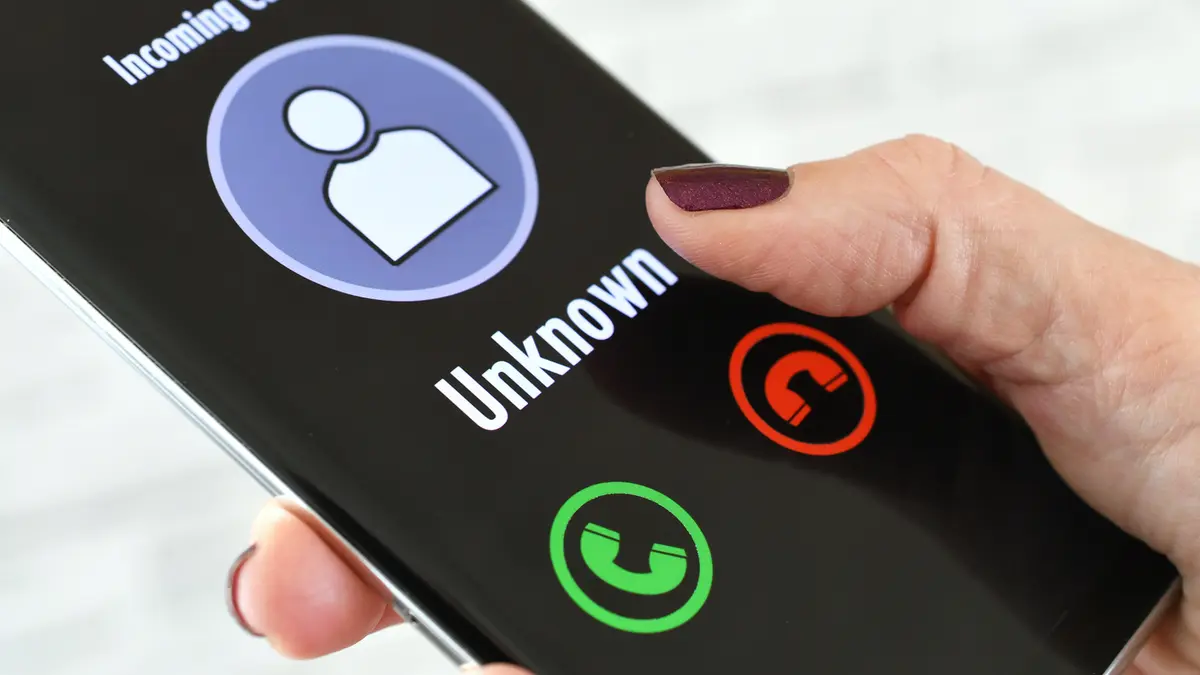
Why in news?
The Department of Telecommunications (DoT) has decided to roll out a Calling Name Presentation (CNAP) service that will display a caller’s name on mobile phones by default. This initiative aims to curb spam and fraud calls by showing the name linked to the SIM’s Know‑Your‑Customer (KYC) records. Pilot trials began in late 2025, with nationwide implementation expected by March 2026.
Background
Currently, Indian telecom networks provide caller identification only when the recipient has saved the number or uses third‑party apps. In 2023, the Telecom Regulatory Authority of India (TRAI) recommended a voluntary CNAP service that subscribers could opt into. However, rising cybercrime and scam calls prompted the DoT to push for default activation, with an option for users to opt out.
The service will initially operate on 4G and 5G networks, as older 2G/3G technologies lack the bandwidth to transmit caller names. Telecom operators and smartphone manufacturers are collaborating to integrate CNAP into their systems. The displayed name will be drawn from the operator’s KYC database, helping to verify the caller’s identity.
Key features of CNAP
- Default activation with opt‑out: Users will see the registered name for incoming calls unless they disable the feature. Privacy exceptions exist for security agencies and subscribers who have Calling Line Identification Restriction (CLIR).
- Accuracy through KYC data: Operators will use information from the customer acquisition form rather than data stored on the handset. This helps prevent spoofing of caller names.
- Phased rollout: Pilots with Vodafone Idea and Jio began in Haryana. A full rollout is expected across all operators and handsets by 31 March 2026. Phones sold after the service launch must support CNAP natively.
- Limitations: Around 200 million Indian users still rely on 2G services and may not benefit from CNAP. DoT and TRAI are exploring solutions for older networks.
Challenges and industry response
Telecom operators seek clarity on whose name to display when a number is used by multiple people or a business. During trials, operators are displaying the name of the subscriber listed on the customer acquisition form, which may differ from the actual caller. Operators also worry about increased costs and the need to upgrade network infrastructure. Regulators are working with industry stakeholders to refine the policy before full deployment.
Source: TH