

Why in news?
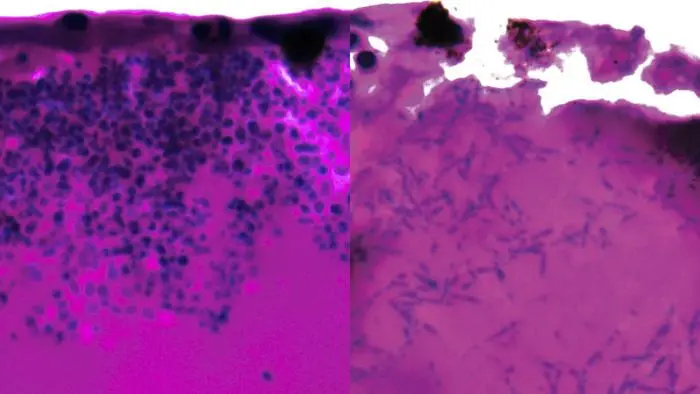
Researchers from the University of Exeter and partners reported in December 2025 that Candida auris relies on a unique genetic mechanism to survive inside hosts. By studying infections in fish larvae, they discovered that the fungus activates genes that help it form filaments and scavenge nutrients, revealing a potential target for new treatments.
Background
Candida auris is a yeast that can cause serious bloodstream and wound infections, especially in hospitalised or immunocompromised patients. First identified in 2009, it spreads easily through contact with contaminated surfaces or from person to person in health‑care settings. It is often resistant to multiple classes of antifungal drugs and has been labelled an urgent public health threat. Infected individuals typically develop fever or chills, but symptoms vary by site of infection and may be hard to distinguish from other illnesses.
How the fungus spreads
- Transmission: Most infections occur in hospitals or nursing homes. The fungus can persist on skin and equipment, allowing it to spread through contact. Colonised individuals may carry the organism without symptoms and inadvertently transmit it.
- Risk factors: Patients with invasive devices (such as catheters or breathing tubes), recent surgery, diabetes or long hospital stays are at higher risk of infection.
- Drug resistance: Many C. auris strains withstand treatment with common antifungal drugs, making infections difficult to control. Misidentification by standard laboratory methods can delay appropriate therapy.
Recent research
- Genetic vulnerability: Scientists found that C. auris uses a set of genes to produce filaments and scavenge iron when infecting host tissues. Disrupting this pathway rendered the fungus unable to cause disease in fish larvae, suggesting a promising avenue for drug development.
- High mortality: Studies estimate that about 45 percent of patients with invasive C. auris infections die within 90 days, underscoring the urgency of effective treatments.
Prevention and control
- Strict hygiene and environmental cleaning in hospitals help contain outbreaks. Screening of high‑risk patients and isolating colonised individuals reduce transmission.
- Rapid diagnostic tests are essential to identify the fungus and initiate appropriate antifungal therapy.
- Prudent use of antifungals and stewardship programmes slow the emergence of drug resistance.
Significance
- C. auris is a reminder of the growing threat of antimicrobial resistance and the need for global surveillance.
- Understanding its genetic strategies opens pathways to develop targeted therapies that avoid harming beneficial microbes.
- Improved infection‑control practices protect vulnerable patients and prevent deadly outbreaks.