
Why in news?
A German medical team reported that a patient with three severe autoimmune disorders achieved long‑term remission after receiving CAR‑T cell therapy. The case suggests that this cancer treatment could be adapted to tame overactive immune systems and offers hope for people with life‑threatening autoimmune diseases.
Background
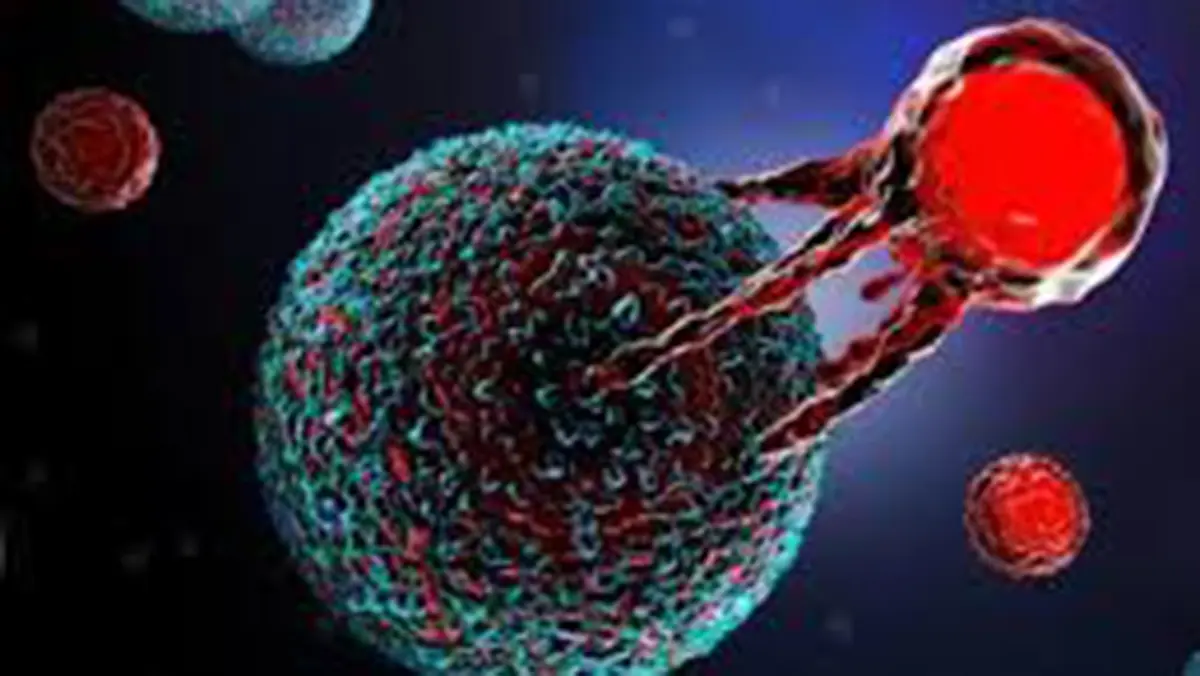
Chimeric Antigen Receptor T‑cell (CAR‑T) therapy involves collecting a patient’s own T cells, genetically engineering them to recognise a specific target on diseased cells, and infusing them back into the body. Since 2017 this personalised therapy has revolutionised the treatment of certain blood cancers. Researchers are now exploring its potential against autoimmune diseases, where the immune system mistakenly attacks healthy tissues.
How the therapy works
- T‑cell collection: Doctors take blood from the patient and separate out T cells, a type of white blood cell responsible for immunity.
- Genetic modification: In the laboratory the cells are modified to carry a receptor that recognises CD19, a protein found on B cells. B cells produce antibodies and can drive autoimmune reactions.
- Expansion and infusion: The engineered cells are multiplied and then infused back into the patient. Once inside the body, they seek out and destroy B cells that trigger disease.
- Outcome: In the reported case the patient, who suffered from autoimmune haemolytic anaemia, immune thrombocytopenia and antiphospholipid syndrome, entered complete remission. After treatment his need for blood transfusions stopped and quality of life improved dramatically.
Significance
- New therapeutic avenue: The success points toward using CAR‑T cells as a “reset button” for the immune system in severe, treatment‑resistant autoimmune disorders.
- Balancing risks: CAR‑T therapy can cause serious side effects such as cytokine release syndrome, infections and relapse of disease. Therefore careful patient selection and monitoring are essential.
- Future research: Larger trials are needed to confirm safety and effectiveness, optimise dosing and identify which autoimmune conditions are most suitable for this approach.

