

Why in news?
A recent observational study, published in late 2025, examined patterns of treatment and outcomes among patients with cellulitis. Although the paper did not gain wide media coverage, it highlights a common yet potentially serious skin infection that often requires prompt medical attention.
Background
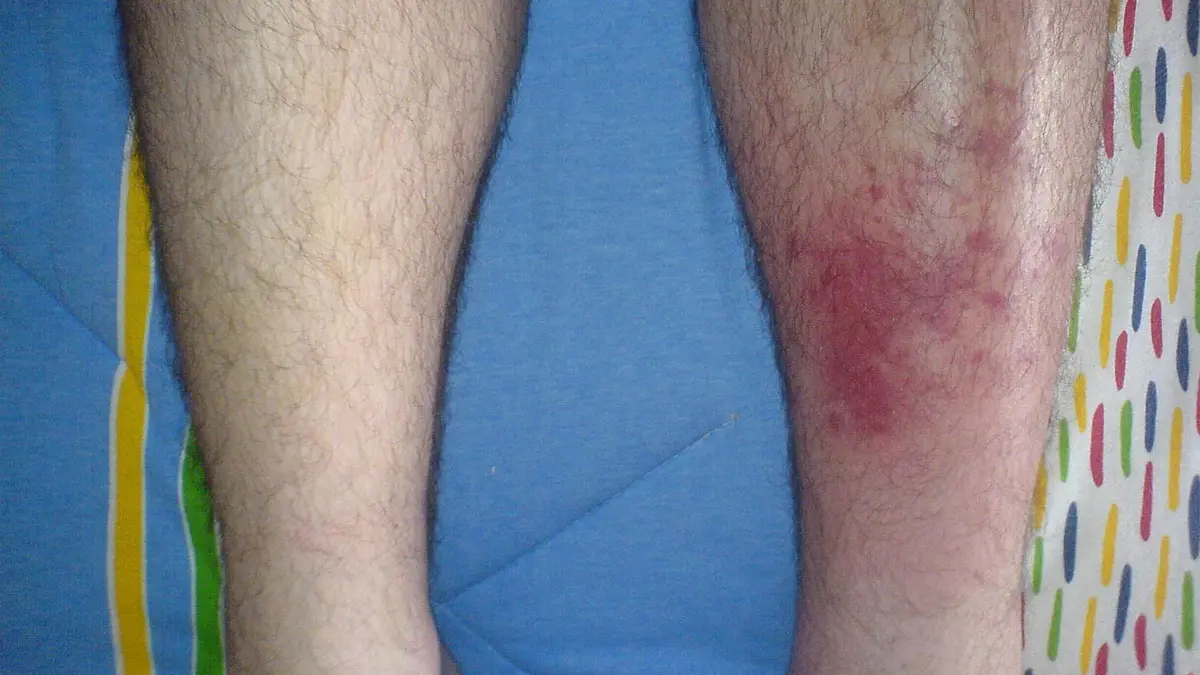
Cellulitis is a bacterial infection of the skin and the soft tissues beneath it. It usually occurs when bacteria—most often Streptococcus or Staphylococcus species—enter through a crack or break in the skin. The legs and feet are common sites, but cellulitis can affect any part of the body.
Risk factors
- Breaks in the skin caused by cuts, burns, insect bites, surgical incisions or chronic ulcers.
- Chronic skin conditions such as eczema or athlete’s foot that compromise the skin barrier.
- Swelling in the limbs due to lymphoedema or venous insufficiency.
- Weakened immune system from diabetes, obesity, alcoholism or steroid therapy.
Symptoms
- Redness, warmth and swelling of the affected area.
- Pain or tenderness that may worsen quickly.
- Fever, chills or general malaise in more severe cases.
- Blisters or pus‑filled bumps in some infections.
Treatment and prevention
- Antibiotics: Most cases respond to a course of oral antibiotics prescribed by a doctor. Hospitalisation and intravenous antibiotics are necessary for widespread or recurrent infections.
- Wound care: Keep cuts and scrapes clean, apply antiseptics and cover with sterile dressings to prevent bacterial entry.
- Manage swelling: Elevate the affected limb and use compression garments if recommended to reduce fluid accumulation.
- Monitor chronic conditions: Control blood sugar, maintain a healthy weight and treat fungal infections promptly to reduce risk.
Conclusion
Cellulitis is both common and treatable. Early recognition of symptoms and timely medical care prevent complications such as abscess formation, sepsis or spread to deeper tissues. Maintaining good hygiene and promptly addressing skin injuries are simple but effective preventive measures.
Source: The Hindu