
Why in news?
Following complaints from residents of Balasore district, the Union Ministry of Environment, Forest and Climate Change (MoEFCC) directed the Odisha government in March 2026 to take immediate action against rampant illegal sand mining in the Subarnarekha River. The ministry asked the state to report within two weeks on steps taken to stop unauthorised extraction and protect riverbanks.
Background
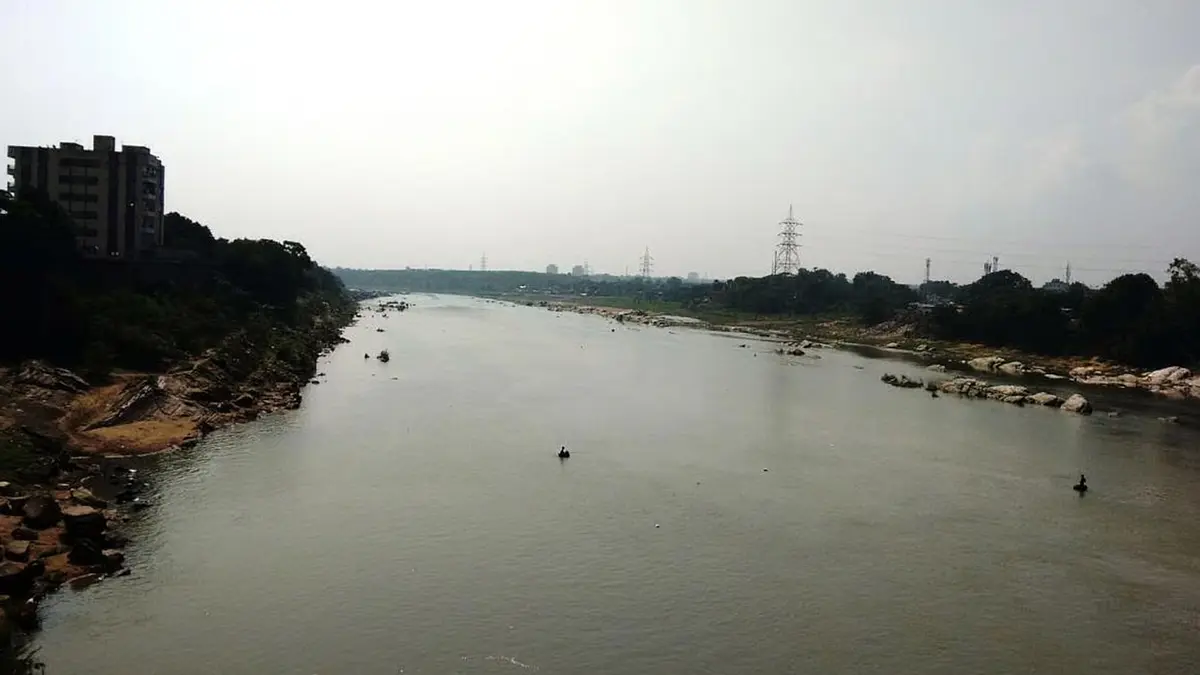
The Subarnarekha (literally “streak of gold”) originates on the Chota Nagpur plateau near Ranchi in Jharkhand. It flows eastward for about 470 km through the states of Jharkhand and West Bengal before entering Odisha and emptying into the Bay of Bengal. The river passes through mineral‑rich areas—gold particles were once found in its sands—and provides water for irrigation and industry. Major tributaries include the Kanchi and Karkari rivers. Excessive sand mining along its course causes bank erosion, habitat destruction and increased turbidity.
Issues raised by residents
- Environmental damage: Local people allege that illegal sand extraction has destabilised riverbanks, leading to landslides and property loss. Sediment removal also disturbs aquatic habitats.
- Pollution and safety concerns: Heavy trucks and excavators operating at odd hours create noise and dust pollution. Villagers report accidents and confrontations with sand‑mining operators.
- Demand for monitoring: Petitioners urged authorities to install CCTV cameras at vulnerable stretches and deploy police to deter illegal mining.
Government response
- Directions to Odisha: The MoEFCC instructed the state chief secretary, district officials and police to take “visible action” within 15 days and to report progress to the ministry.
- Strengthening enforcement: The case highlights the need for better monitoring of riverine sand extraction, stricter licensing and community involvement to curb illegal activities.
Why protecting Subarnarekha matters
- Water security: The river supplies drinking water and irrigation to thousands of households. Degradation can affect human health and crop yields.
- Ecological balance: Sand and gravel form habitats for fish and invertebrates. Unregulated mining disrupts these habitats and accelerates erosion.
- Regional heritage: Named for its glistening sands, the Subarnarekha is part of the cultural and economic fabric of eastern India. Preserving its health benefits both people and wildlife.
Conclusion
The Union environment ministry’s directive signals growing concern over the impacts of illegal sand mining on rivers like the Subarnarekha. Effective enforcement, community vigilance and sustainable extraction practices will be essential to protect the river’s integrity and the well‑being of those who depend on it.
Source: NIE

