
Why in news?
On 14 April 2026, World Chagas Disease Day was observed to raise awareness about this neglected tropical illness. Public health agencies used the occasion to call for early diagnosis, better vector control and equitable access to treatment for millions of affected people, particularly in Latin America.
Background
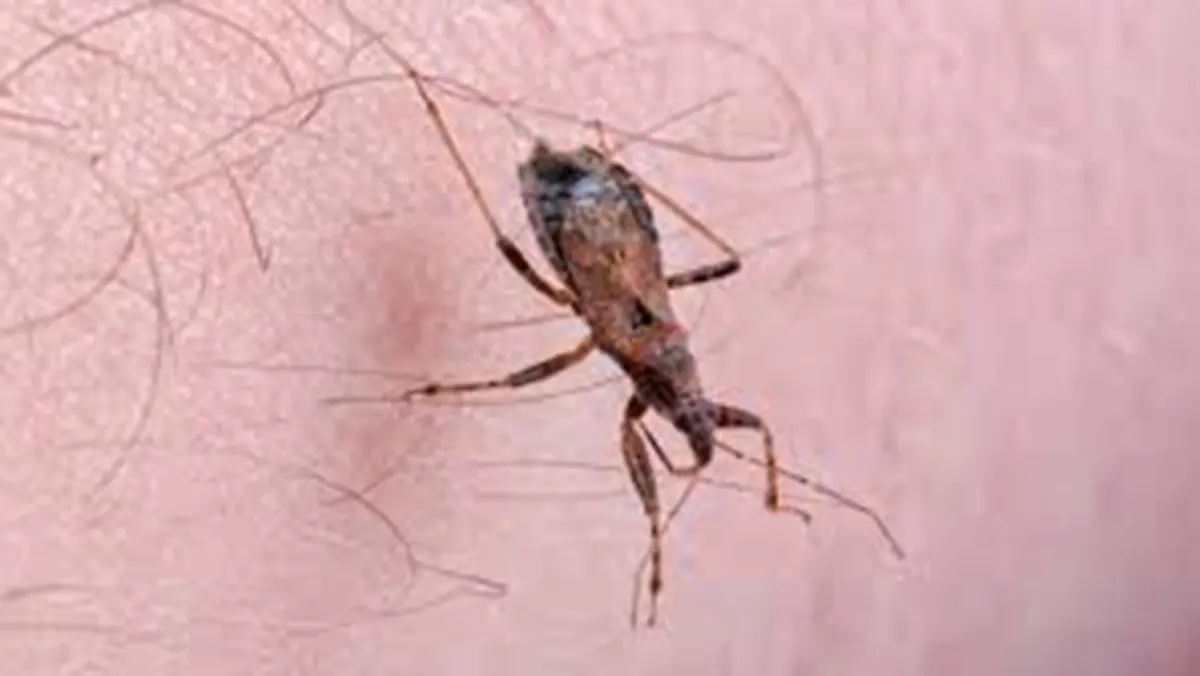
Chagas disease, also known as American trypanosomiasis, is caused by the protozoan parasite Trypanosoma cruzi. It was first described in 1909 by Brazilian physician Carlos Chagas. The main route of transmission is through the faeces of infected triatomine insects, commonly called “kissing bugs,” which bite sleeping humans. The parasite can also be transmitted from mother to child during pregnancy, through contaminated food, by blood transfusion or organ transplantation and in laboratory accidents. After an initial acute phase—often asymptomatic—the infection enters a chronic phase. About 30 percent of chronically infected people develop serious cardiac problems such as cardiomyopathy, arrhythmias and heart failure, while a smaller percentage suffer digestive disorders like mega‑oesophagus or megacolon. Without treatment, Chagas disease can be fatal. According to the World Health Organization, an estimated eight million people worldwide are infected, mainly in 21 Latin American countries, and more than 10 000 deaths occur each year. Migration has spread the disease to non‑endemic regions including North America and Europe.
Transmission and symptoms
- Vector‑borne: Triatomine bugs transmit the parasite when they defecate on human skin; scratching the bite site allows the parasite to enter through mucous membranes or wounds.
- Congenital and other routes: Infection can occur during pregnancy, through blood transfusions, organ transplants or by ingesting food contaminated with bug faeces.
- Acute phase: Symptoms may include fever, fatigue, swollen lymph nodes and swollen eyelids. Many cases go unnoticed because symptoms are mild or absent.
- Chronic phase: Years after infection, some people develop heart rhythm disorders, cardiomegaly, digestive tract enlargement or nervous system disorders.
Prevention and treatment
- Vector control: Improving housing, using insecticides and installing bed nets reduce contact with triatomine bugs.
- Screening: Testing donated blood, organs and pregnant women prevents secondary transmission.
- Early treatment: Antiparasitic drugs such as benznidazole and nifurtimox can cure infection if given soon after exposure and may slow disease progression in chronic cases.
- No vaccine: There is currently no vaccine, so prevention and timely treatment are essential.
Conclusion
Chagas disease remains a silent but serious threat to millions of people. Raising awareness, improving living conditions and ensuring access to diagnosis and treatment are critical steps toward controlling this neglected tropical disease.
Source: World Health Organization

