

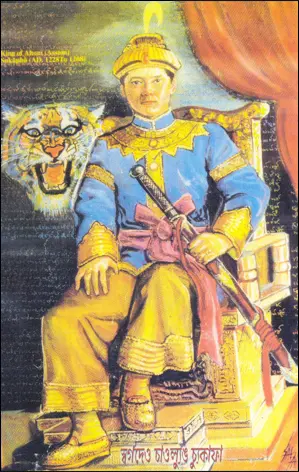
Why in news?
Assam celebrates 2 December each year as “Asom Divas” or Assam Day to honour Chaolung Sukapha, the 13th‑century leader who established the Ahom kingdom. In 2025 the state paid special tribute to Sukapha’s efforts in uniting diverse ethnic groups and laying the foundation for a stable Assamese identity that endured for centuries.
Background
Chaolung Sukapha was a Tai prince from the Mong Mao region (present‑day Yunnan in China). In the early 13th century he migrated westward with a retinue of followers through present‑day Myanmar and entered the Brahmaputra valley around 1228–1235 CE. Settling first at Charaideo in Upper Assam, he forged alliances with local tribes such as the Sutia, Moran and Kachari by marrying into their families and respecting their customs.
Sukapha’s diplomatic approach allowed him to establish the Ahom kingdom without large‑scale conflict. Over time his descendants extended their control over most of the Brahmaputra valley. The Ahoms ruled Assam for nearly six centuries, resisting Mughal invasions and creating a unique administrative system that balanced Tai and indigenous institutions. Sukapha is remembered as the “architect of a greater Assam” because his policies fostered social harmony and cultural assimilation.
Legacy
- Administrative innovations: The Ahoms divided their territory into paiks (military‑agricultural units) where each household provided soldiers and farm labour in rotation. This system sustained both defence and agriculture.
- Assimilation of cultures: Sukapha encouraged inter‑marriage and adopted local deities. Over generations Tai rituals blended with those of the indigenous groups, creating a distinctive Assamese language, script and social structure.
- Resistance to invasions: The Ahoms famously defeated the Mughal forces in the 17th century, most notably in the Battle of Saraighat (1671) under Lachit Borphukan. This resistance preserved Assam’s autonomy and cultural identity.
- Cultural symbols: Sites like the Charaideo Maidams (burial mounds) and the annual observance of Asom Divas keep Sukapha’s memory alive. Communities across Assam organise programmes to teach young people about his inclusive values.
Significance
- Unity in diversity: Sukapha’s model of governance demonstrates how mutual respect and cultural exchange can build a stable, multi‑ethnic society.
- Historical pride: Understanding the Ahom era helps modern Assamese people appreciate their heritage and strengthens regional identity within the Indian Union.
- Lessons for today: In a state with numerous communities, Sukapha’s legacy underscores the importance of dialogue, assimilation and inclusive leadership.
Conclusion
Chaolung Sukapha’s journey from Southeast Asia to Assam changed the course of the region’s history. By blending cultures and establishing effective institutions, he created an enduring kingdom. Commemorating his life is not merely a tribute to a historical figure but a reminder of the enduring value of cultural harmony and good governance.
Source: Press Information Bureau