
Why in news?
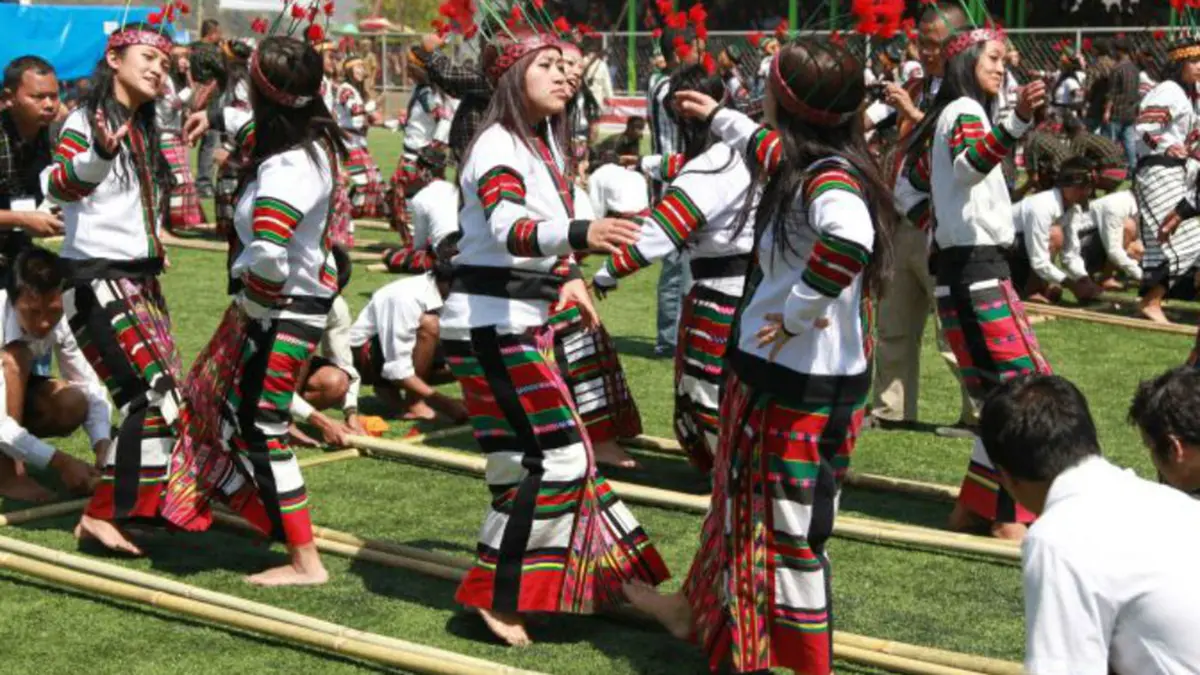
Mizoram celebrated the annual Chapchar Kut in March 2026 with the theme “Jo Nun Je Mavi – Inremna” (“Beauty of Culture: Harmony”). Thousands of people gathered in Aizawl to witness cultural dances, music and exhibitions. The festival underscored unity and reconciliation among communities.
Background
Chapchar Kut is one of the oldest festivals of the Mizo people. It marks the completion of “jhum” – the clearing and burning of forest undergrowth in preparation for shifting cultivation. According to tradition the festival originated between the 15th and 17th centuries in a village called Seipui. After colonial and missionary influence led to its decline, the festival was revived in 1962 and has since become a major spring celebration.
Celebrations and customs
- Dance and music: Performances include the famous bamboo dance (Cheraw), Khuallam, Chheihlam and Chai dances. Women wear colourful traditional costumes and men play drums and gongs.
- Community feasting: Families prepare rice beer and dishes of smoked meat, fish and vegetables. The custom of Chhawnghnawh, feeding boiled eggs to guests, symbolises friendship and blessings.
- Unity and reconciliation: The festival encourages people to reconcile disputes and strengthen social bonds. The 2026 theme emphasised harmony and cultural pride.
Significance
Chapchar Kut celebrates the agrarian cycle and reflects the Mizo spirit of resilience. By reviving traditional music, dance and crafts, it reinforces identity while welcoming visitors from outside the state. The festival also reminds policymakers of the need to support sustainable farming and preserve indigenous practices.
Sources: The Hindu

