

Why in news?
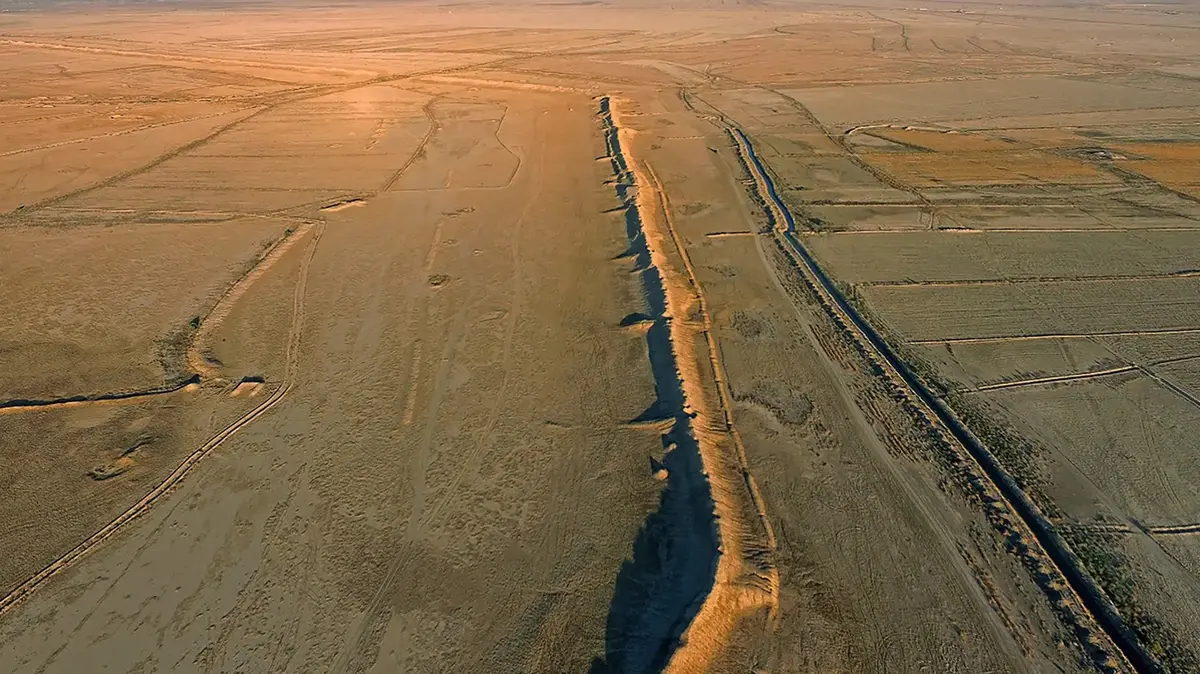
Archaeologists recently confirmed the precise location of the lost city of Charax Spasinou in the deserts of modern Iraq. Using drone photography and magnetometry, researchers digitally mapped the buried settlement and revealed its streets, temples and workshops. The rediscovery offers a vivid look at one of the last cities founded by Alexander the Great.
Background
Charax Spasinou was established around 324 BCE by Alexander the Great near the junction of the Tigris and Choaspes rivers (modern-day Shatt al‑Arab) as a strategic trading post. Contemporary sources suggest he originally called it Alexandria on the Tigris. Following floods and political upheavals, the settlement was rebuilt by Seleucid rulers and later by Hyspaosines, an Arab king who renamed it Charax Spasinou and made it the capital of his kingdom. Thanks to its location at the crossroads of Mesopotamia and the Persian Gulf, the city became a prosperous harbour facilitating trade between the Middle East and India.
Modern rediscovery
Political instability had long prevented detailed surveys of the site. Researchers finally gained access in the 2010s and began walking kilometre‑wide grids, recording pottery fragments and brick debris. A combination of
- Drone imagery: Thousands of aerial photographs were stitched together to create a detailed terrain model.
- Magnetometry: Scientists used sensors to detect buried structures without excavation.
Sources: Times of India