
Why in news?
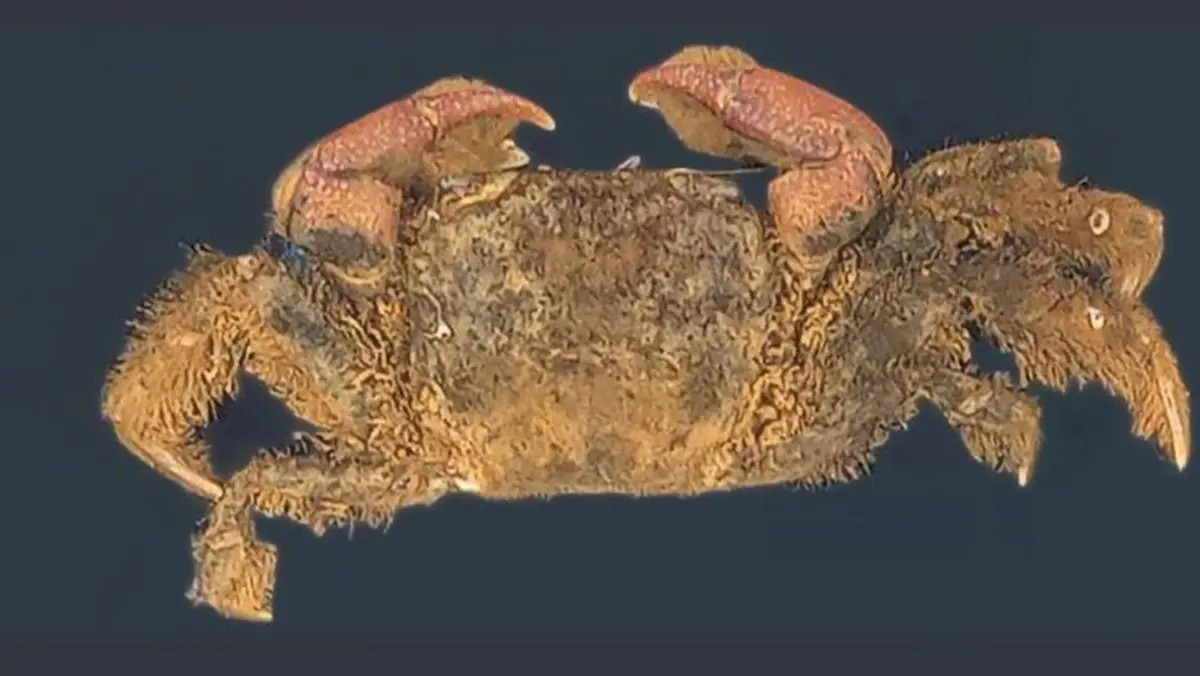
Researchers studying mangrove ecosystems along India’s west coast have described a previously unknown crab species, Chhapgarus ngankeeae. The tiny crustacean, found in the mudflats of Goa’s estuaries, was formally announced in March 2026. It had earlier been misidentified as another species; careful morphological analysis confirmed it was distinct. The species name honours marine biologist Dr Ngan Kee Ng for her contributions to carcinology.
Background
India’s mangroves harbour a remarkable diversity of crabs, many of which remain poorly documented. Members of the family Camptandriidae, to which the new species belongs, live in brackish mud and play vital roles in nutrient cycling. Researcher Sameer Kumar Pati examined specimens from mangroves in Goa, Maharashtra and Karnataka. Detailed comparison with known species revealed consistent differences in shell shape and reproductive structures, leading to the recognition of Chhapgarus ngankeeae as a new species.
Distinctive features
- Small and hairy: Adults measure about 1.6 cm across and have a brown, slightly hairy carapace that helps them blend into the mangrove mud.
- Unique male anatomy: Males possess a V‑shaped abdominal plate and a distinctive reproductive appendage (gonopod), which were key traits in distinguishing this species.
- Habitat specialist: The crab inhabits intertidal mangrove flats and probably feeds on decomposing leaves and microorganisms. Like other mangrove crabs, it contributes to leaf litter breakdown and sediment mixing.
Why the discovery matters
- Highlighting hidden diversity: Documenting new species helps scientists understand ecosystem functioning and evolutionary relationships. Many small crustaceans remain undescribed in Indian waters.
- Mangrove conservation: Mangroves protect coastlines from erosion and support fisheries. Discoveries like this underscore the ecological value of these threatened habitats and the need to conserve them.
Conclusion
The identification of Chhapgarus ngankeeae adds to the growing list of species unique to India’s mangroves. Protecting these coastal forests will ensure that the many organisms they shelter, including obscure crabs, continue to thrive.
Source: Research Matters

