

Why in news?
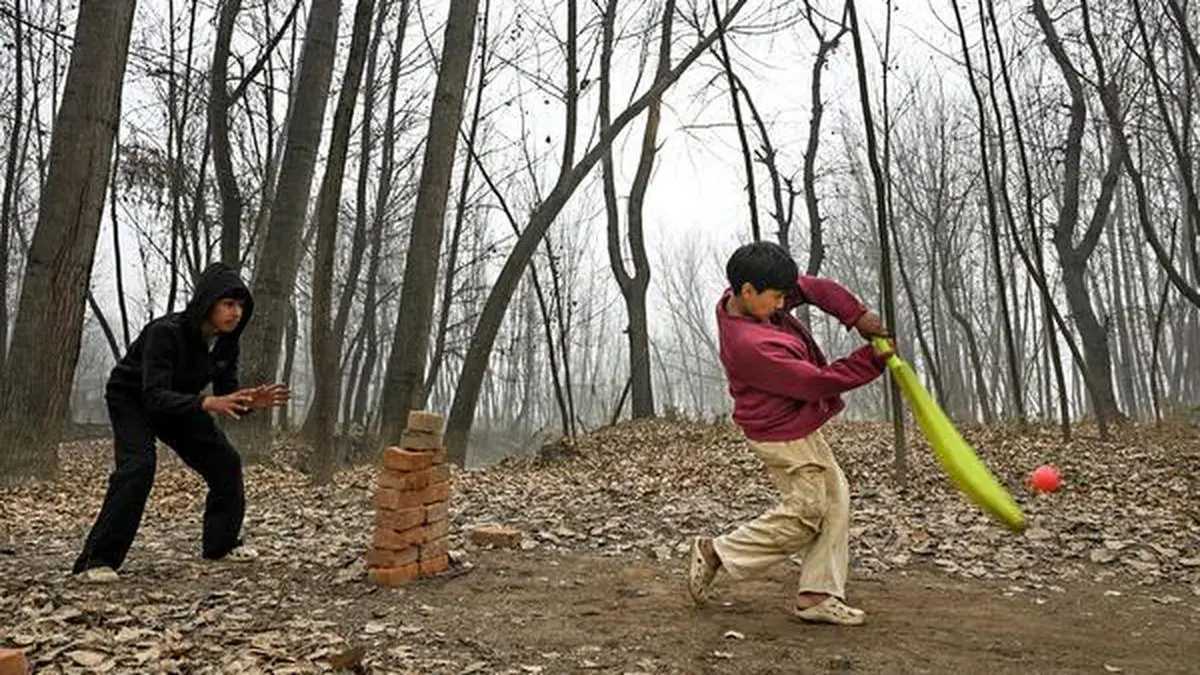
The Kashmir Valley has entered the annual Chillai‑Kalan period, a forty‑day spell of intense winter that starts on 21 December and is locally known as the “King of Cold.” Meteorological agencies forecast heavy snowfall and rain during this period, and local life is already adjusting to below‑freezing temperatures.
Background
Chillai‑Kalan is a traditional winter phase observed in Jammu and Kashmir. It begins on the winter solstice and ends on 31 January. During these forty days, the region experiences its harshest cold, with frequent snowstorms, icy roads and frozen water pipes. Following this period are shorter spells called Chillai Khurd (twenty days) and Chillai Bachha (ten days), which bring gradually milder weather. The term ‘Chillai’ comes from Persian and broadly means ‘forty.’
Features of Chillai‑Kalan
- Extreme cold: Temperatures often plunge below zero degrees Celsius. Lakes and rivers may partially freeze, while frozen taps and icy roads disrupt daily life.
- Snowfall and rain: Heavy snow blankets mountains and plains. The Himalayan catchment collects snow, which melts in spring and feeds rivers such as the Jhelum and Chenab.
- Impact on people: Residents rely on wood‑burning stoves and traditional kangri (earthen pots with hot embers) to keep warm. Winter delicacies like harissa, a meat‑based porridge, and dried vegetables are popular.
- Culture and tradition: The period has its own folklore and songs. Elders encourage stocking food and firewood ahead of winter. Schools often remain closed and tourism slows, although winter sports enthusiasts visit snow‑clad slopes.
Subsequent phases
- Chillai Khurd (small cold): This 20‑day period runs from 1 February to 20 February. Temperatures are still cold but gradually rise, and snow may start melting.
- Chillai Bachha (baby cold): From 21 February to 2 March, the weather becomes milder. Spring flowers begin to bloom and preparations for the agricultural season start.