Why in news?
Environmental groups released a report in March 2026 accusing the world’s largest cobalt producer of causing severe pollution and human displacement near its Tenke Fungurume mine in the Democratic Republic of the Congo (DRC). According to activists, sulphur dioxide emissions and waste dumping from the facility threaten communities and wildlife. The controversy highlights the hidden costs of the global rush for cobalt.
Background
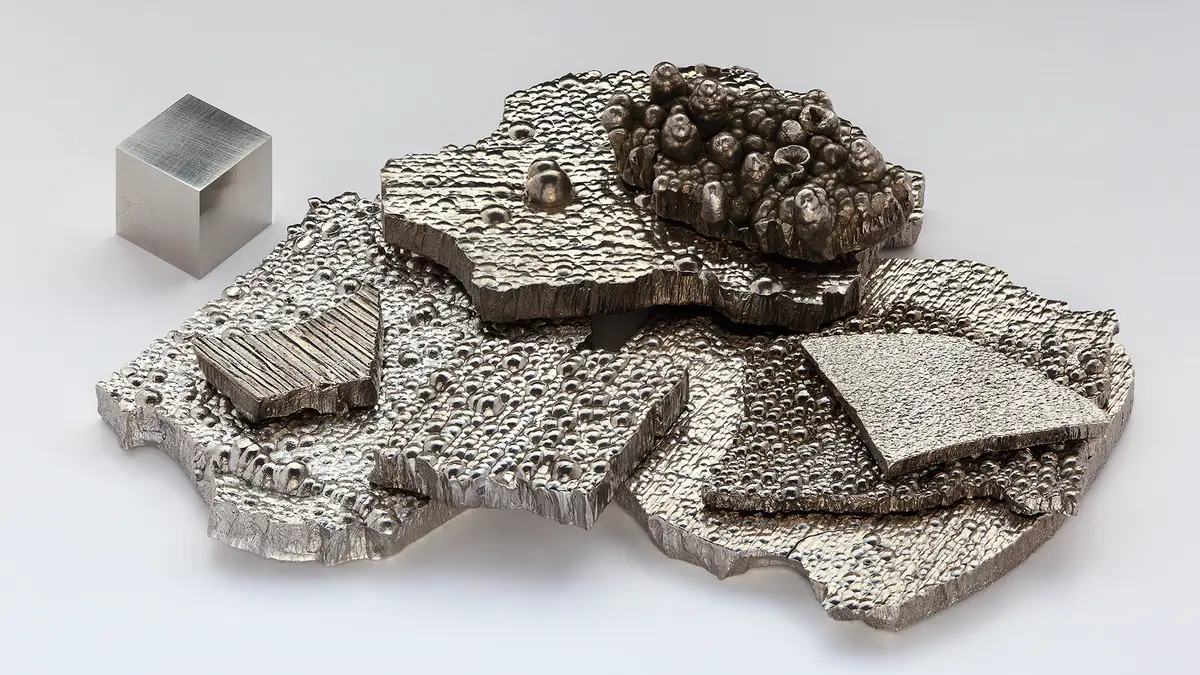
Cobalt is a bluish‑grey, ferromagnetic metal with the chemical symbol Co and atomic number 27. It occurs mainly as a by‑product of copper and nickel mining and is prized for its ability to form high‑strength, heat‑resistant alloys. Cobalt’s strategic value has grown dramatically with the rise of electric vehicles (EVs) and renewable energy storage, where it is used in lithium‑ion battery cathodes to improve energy density and longevity.
Global supply and uses
- Concentration of production: More than 70 % of the world’s cobalt comes from the DRC, often from mines operated by international conglomerates. China controls much of the refining capacity, creating supply‑chain vulnerabilities.
- Applications: Cobalt alloys are used in jet engines, gas turbines, superalloys and cutting tools. In the chemical industry it serves as a catalyst. Its magnetic properties make it valuable in permanent magnets and electronics. Most modern demand, however, comes from rechargeable batteries for laptops, smartphones and EVs.
- Indian context: India has minor occurrences of cobalt associated with copper and nickel ores in states such as Jharkhand, Odisha and Rajasthan. However, it produces no primary cobalt and relies on imports for its needs.
Environmental and social issues
- Pollution and health impacts: Reports from Tenke Fungurume allege that sulphur dioxide emissions and acidic effluents have contaminated air and water, leading to respiratory problems and crop damage for nearby residents.
- Displacement: Expansion of mining operations has forced thousands of people off their land with inadequate compensation, undermining livelihoods.
- Child labour and human rights: Smaller artisanal mines in the DRC have faced global criticism for unsafe working conditions and the exploitation of child labour.
Looking ahead
- Need for responsible sourcing: Companies and governments are being urged to adopt transparent supply chains, environmental audits and fair labour standards to ensure that cobalt extraction does not come at the expense of communities.
- Recycling and alternatives: Research is under way to recycle cobalt from spent batteries and to develop new battery chemistries that use less or no cobalt.
- Energy transition implications: As the world accelerates towards electric mobility, balancing the demand for critical minerals with sustainable practices will be vital.
Source: DTE