

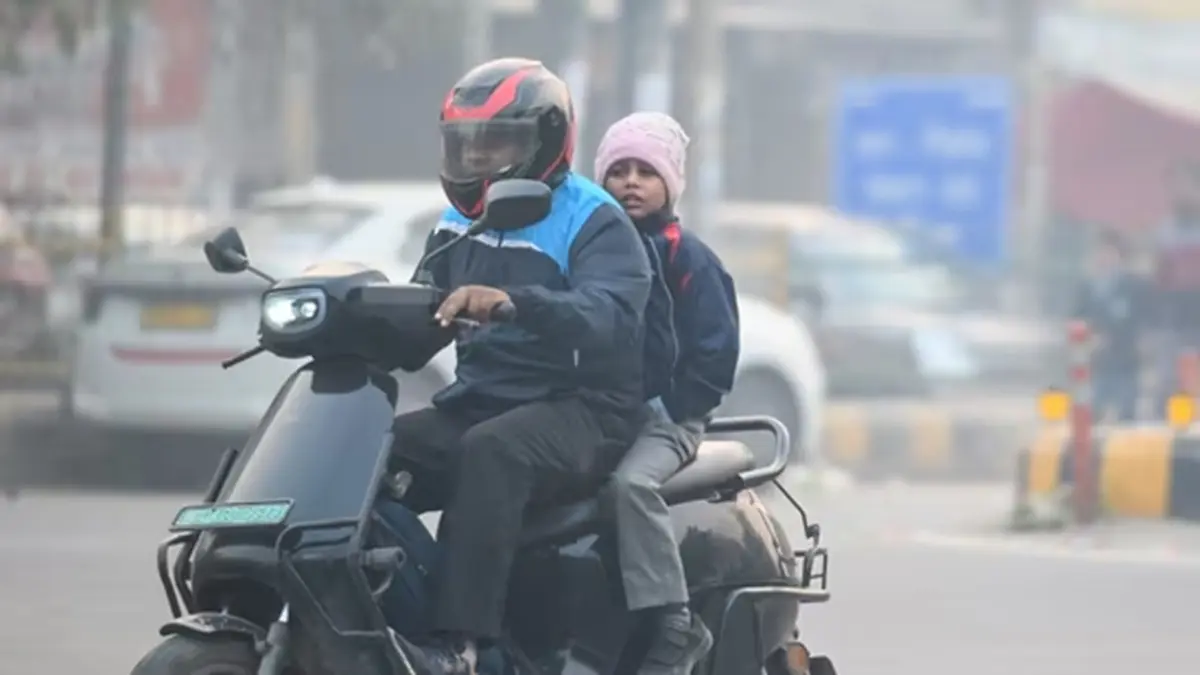
Why in news?
The Indian Meteorological Department (IMD) issued warnings of a cold wave in northern India during December 2025. With temperatures forecast to dip sharply, it is important to understand how cold waves are defined and why they occur.
Background
A cold wave describes a period of abnormally low minimum temperature over a large area. According to IMD criteria, a cold wave is declared in the plains when the minimum temperature is 10 °C or lower and the departure from normal is −4.5 °C to −6.4 °C. It becomes a severe cold wave when the departure is greater than −6.4 °C or when the minimum temperature drops to 4 °C or below. In hilly regions, a cold wave is declared when the minimum temperature is 0 °C or below. For coastal stations, the threshold is a departure of −4.5 °C or more with minimum temperatures below 15 °C.
Cold waves typically occur between November and February. Clear skies, calm winds and long winter nights allow the ground to lose heat rapidly, leading to significant drops in temperature. In northern India cold air masses from higher latitudes flow southwards after the passage of Western Disturbances, enhancing cold conditions.
Impacts
- Human health: Sudden temperature drops can cause hypothermia, frostbite and aggravation of respiratory and cardiovascular conditions. The elderly, children and homeless populations are most vulnerable.
- Agriculture: Cold waves can damage rabi crops such as wheat, mustard and potatoes, particularly during the germination and flowering stages. Frost can kill tender leaves and reduce yields.
- Infrastructure: Fog and ice reduce visibility, affecting road, rail and air transport. Increased energy demand for heating strains power supplies.
Preparedness and mitigation
- Early warning: IMD issues cold wave alerts that help authorities plan shelter and relief measures.
- Agricultural advisories: Farmers are advised to irrigate fields lightly before a cold wave, cover seedlings with mulch and use smoke to reduce frost damage.
- Public health measures: Providing warm clothing and temporary shelters, especially for the homeless, and encouraging vaccination against influenza can save lives.
Conclusion
Cold waves are a recurring winter hazard in India. By understanding IMD criteria and preparing in advance, communities and authorities can reduce health risks and agricultural losses. As climate patterns change, monitoring and adaptation will become even more important.
Source: HT