
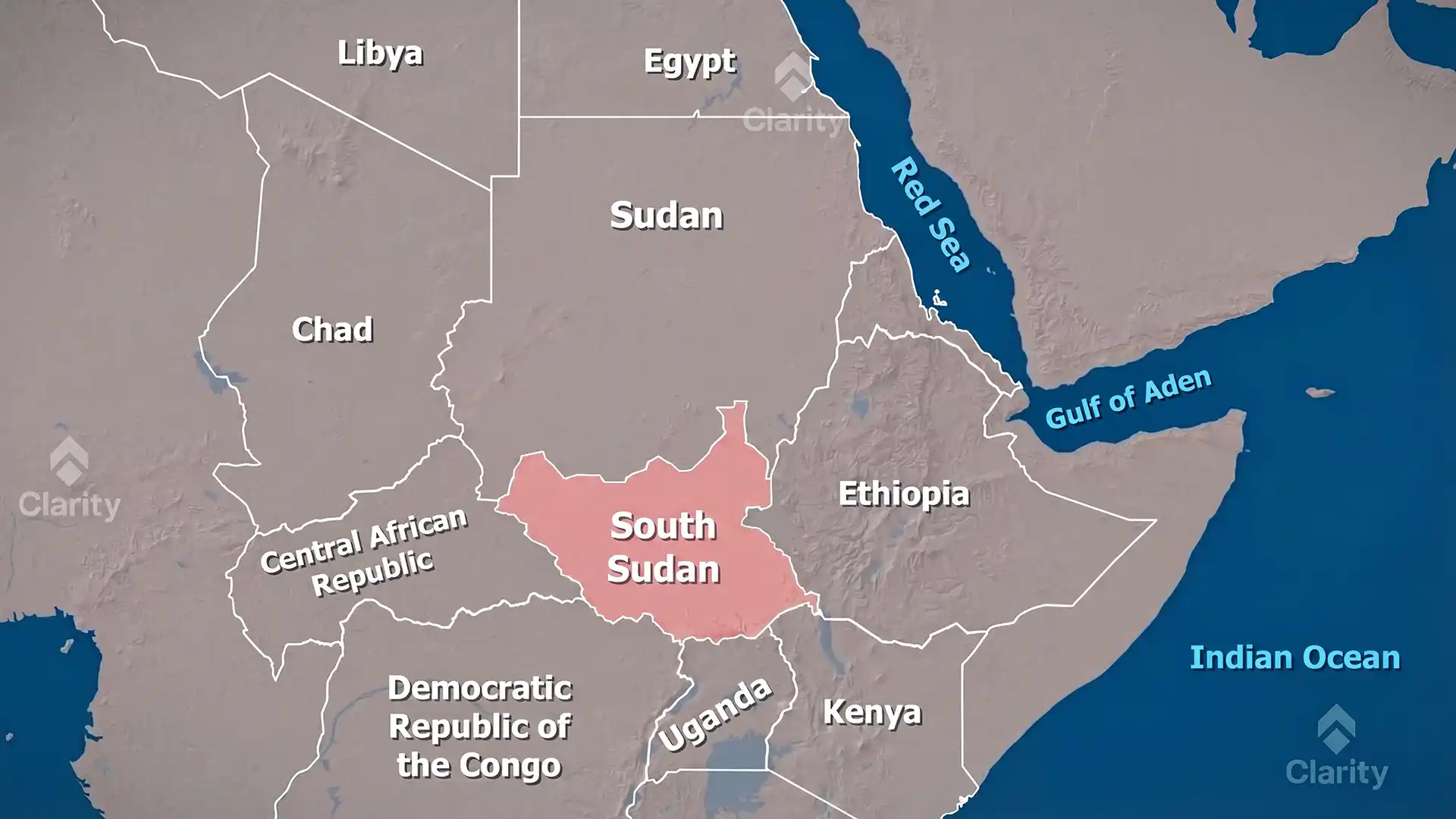
Why in news?
Fighting erupted in March 2026 between government forces and opposition groups over control of Akobo, a town in north‑eastern South Sudan. Opposition forces briefly retook the town, prompting United Nations officials and aid agencies to evacuate thousands of civilians. The clashes signalled renewed instability ahead of planned elections.
Background
South Sudan became independent in 2011 but soon plunged into civil war along ethnic and political lines. A peace agreement signed in 2018 created a power‑sharing government, yet key provisions remain unimplemented. Akobo county in Jonglei State has long been contested by government troops and the Sudan People’s Liberation Army‑In Opposition (SPLA‑IO). The region hosts tens of thousands of internally displaced people who depend on humanitarian aid.
Recent developments
- March 2026 clashes: Opposition fighters overran Akobo after government troops withdrew. United Nations Mission in South Sudan expressed concern that the violence could spread to neighbouring counties.
- Humanitarian impact: Médecins Sans Frontières reported that it evacuated 17,000 displaced people and closed a field hospital after looting. Aid organisations warned of food shortages and disease outbreaks as people fled with little protection.
- Peace process at risk: The 2018 peace deal is fragile. Disagreements over security arrangements and delayed elections have fuelled local power struggles. The Akobo incident underscores the urgency of fully implementing the agreement and addressing grievances.
Outlook
Restoring calm in Akobo will require genuine dialogue between rival factions and assurance of humanitarian access. Lasting peace hinges on disarmament, integrating armed groups into a unified army and holding credible elections. International partners must continue to support mediation while pressing leaders to protect civilians.
Sources: The Hindu

