

Why in news?
On 25 December 2025, President Droupadi Murmu released the first official translation of the Constitution of India in the Santhali language at Rashtrapati Bhavan. The ceremony, held on Good Governance Day, coincided with the centenary celebrations of the Ol Chiki script used to write Santhali. The translation aims to make the supreme law of the land accessible to millions of Santhali speakers.
Background
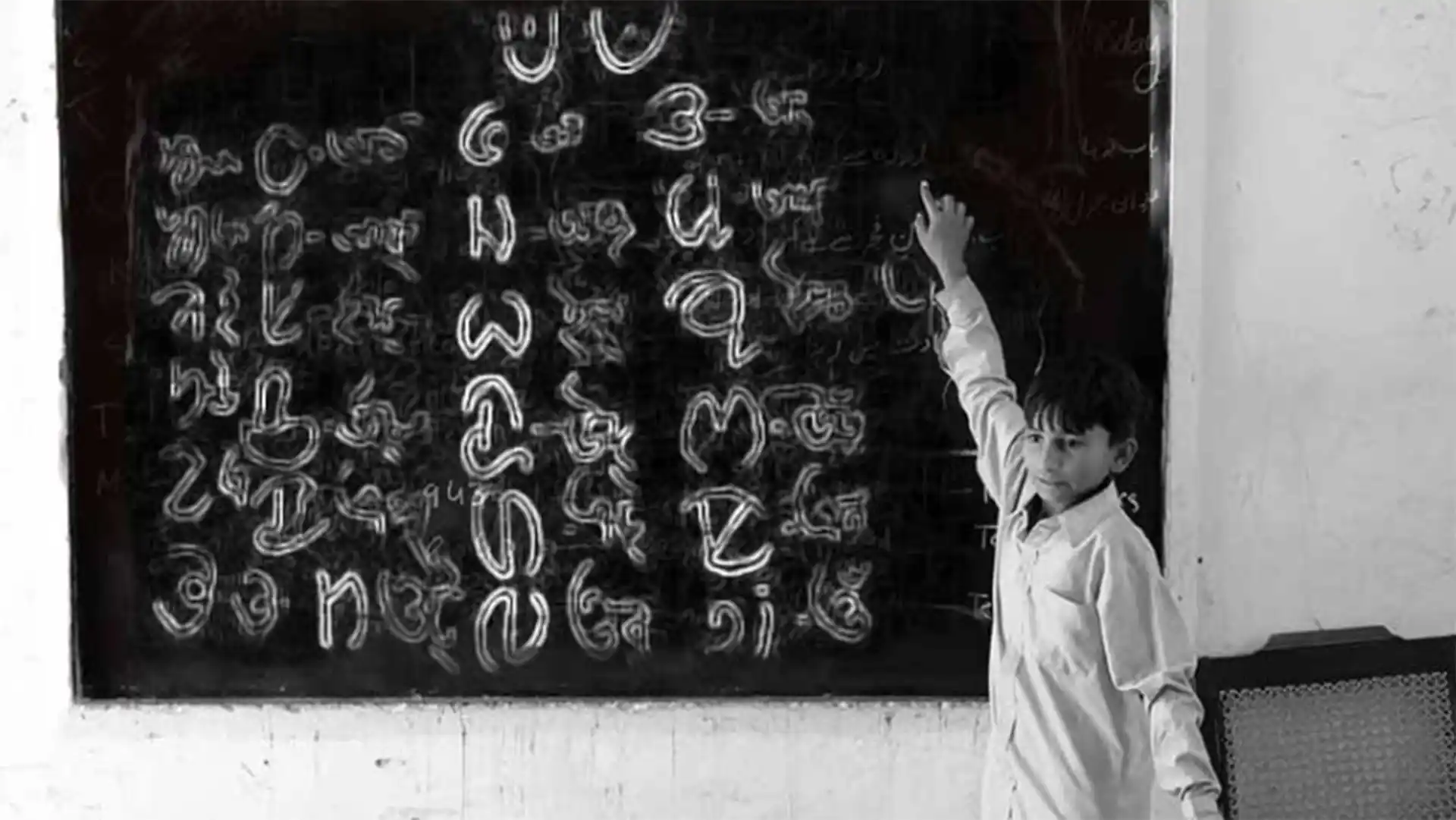
Santhali is a language belonging to the Munda branch of the Austroasiatic family and is spoken by more than seven million people across Jharkhand, Odisha, West Bengal and Bihar. For centuries it was an oral language or was written using scripts of neighbouring communities. In 1925, tribal scholar Pandit Raghunath Murmu devised the Ol Chiki script specifically for Santhali, providing the community with its own writing system. The language was added to the Eighth Schedule of the Indian Constitution through the 92nd Amendment Act of 2003.
Highlights of the release
- Good Governance Day: The Santhali translation was unveiled on 25 December, observed as Good Governance Day in memory of former Prime Minister Atal Bihari Vajpayee. The event celebrated inclusion and linguistic diversity.
- Centenary of Ol Chiki: 2025 marked one hundred years since the creation of the Ol Chiki script. Translating the Constitution into this script honours the cultural heritage of the Santhal community.
- Bridging the gap: The translation allows Santhali speakers, many of whom reside in remote tribal areas, to read and understand the rights, duties and guiding principles enshrined in the Constitution. It reinforces the government’s commitment to make legal documents available in all scheduled languages.
- President’s message: President Murmu, herself from the Santhal community, said the translation would instil pride among Santhali speakers and inspire them to participate more actively in civic life.
Significance
- Linguistic empowerment: Providing legal texts in a community’s mother tongue empowers people to claim their rights and understand constitutional provisions without language barriers.
- Preservation of heritage: The translation promotes the use of the Ol Chiki script and encourages younger generations to learn and preserve their language.
- Inclusive governance: Translating key documents into all scheduled languages aligns with India’s ethos of unity in diversity and helps build trust between the state and marginalised communities.
Conclusion
The release of the Constitution in Santhali is a milestone for linguistic inclusiveness in India. By recognising and promoting the language and script of the Santhal people, the government strengthens social cohesion and ensures that the guiding principles of the nation reach every citizen, regardless of their linguistic background.
Source: PIB