

Why in news?
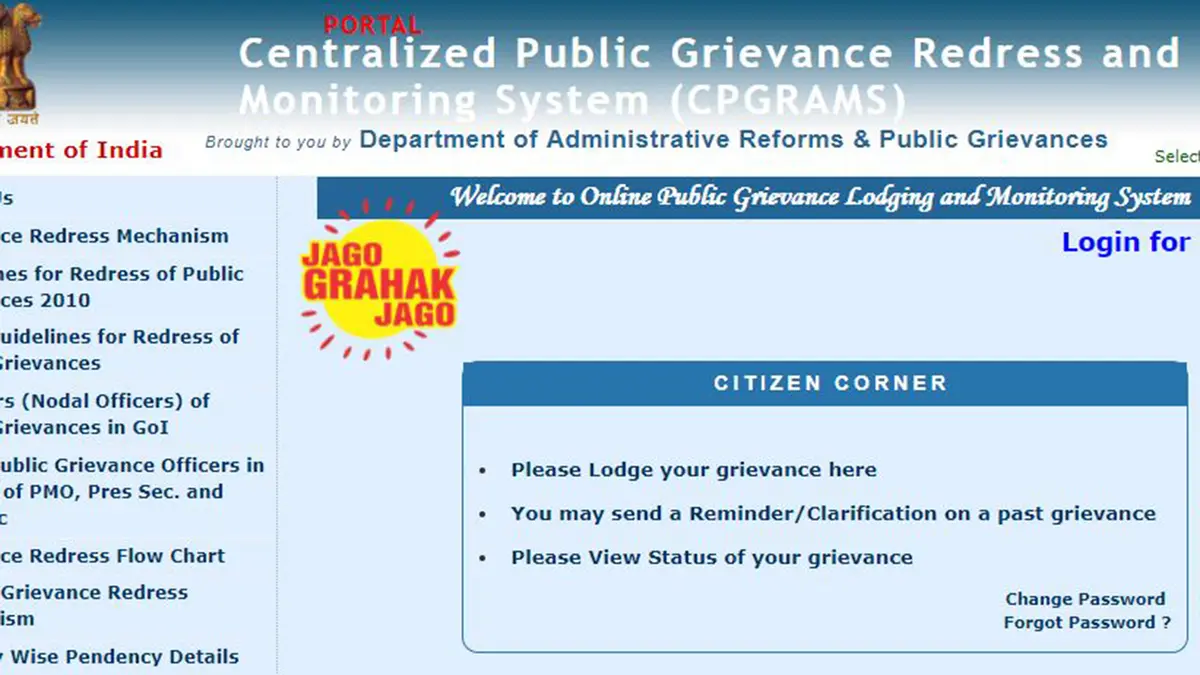
India’s Centralised Public Grievance Redress and Monitoring System (CPGRAMS) has reported a dramatic drop in pending complaints. According to recent figures, the number of unresolved grievances has fallen by roughly three‑quarters since 2021 as ministries and departments cleared cases more quickly. New features such as stricter timelines and easier access for rural citizens have made the portal more responsive, prompting renewed public attention on this digital grievance platform.
Background
CPGRAMS is a web‑based platform created in 2007 by the Department of Administrative Reforms and Public Grievances to make it easier for people to lodge complaints about central and state government services. It can be accessed through a website or mobile app at any time of the day, allowing citizens to register issues anonymously or in their own name. Once a complaint is filed, it is forwarded to the relevant agency and monitored until a reply is provided. The portal was designed to bring transparency to public service delivery by setting time‑bound responses – generally within 45 days.
Recent improvements
- Shorter resolution window: New guidelines require most grievances to be addressed within 21 days. Senior officials hold regular review meetings to ensure that departments adhere to the timeline and to address root causes of repeated complaints.
- Integrated rural access: Over five lakh Common Service Centres across India have been connected to CPGRAMS. These centres help people in villages file complaints and track their status without needing their own computers or internet connections.
- Mandatory grievance cells: Ministries and public agencies must set up dedicated cells to handle citizens’ complaints. Staff are trained to respond politely and to guide complainants through the process.
- Monitoring and analytics: A new module allows administrators to analyse recurring issues, identify systemic problems and formulate policy changes to reduce grievances in the long term.
Significance
- Improved accountability: By enforcing strict timelines and regular reviews, the system encourages departments to take citizens’ concerns seriously and resolve them promptly.
- Bridging the digital divide: The link‑up with Common Service Centres ensures that people in remote areas can access the grievance portal as easily as urban residents. This reduces reliance on middlemen and makes governance more inclusive.
- Policy feedback loop: Analysing complaints helps the government spot weaknesses in service delivery and design targeted reforms. This feedback loop can lead to fewer grievances in the future.
Conclusion
CPGRAMS demonstrates how digital tools can make government more responsive and citizen‑centric. While clearing backlogs is a notable achievement, sustained improvements will depend on strengthening local grievance cells and using data insights to prevent recurring problems. Bringing state and local agencies fully on board will help realise the platform’s goal of transparent and efficient grievance redressal.
Source: Devdiscourse