

Why in news?
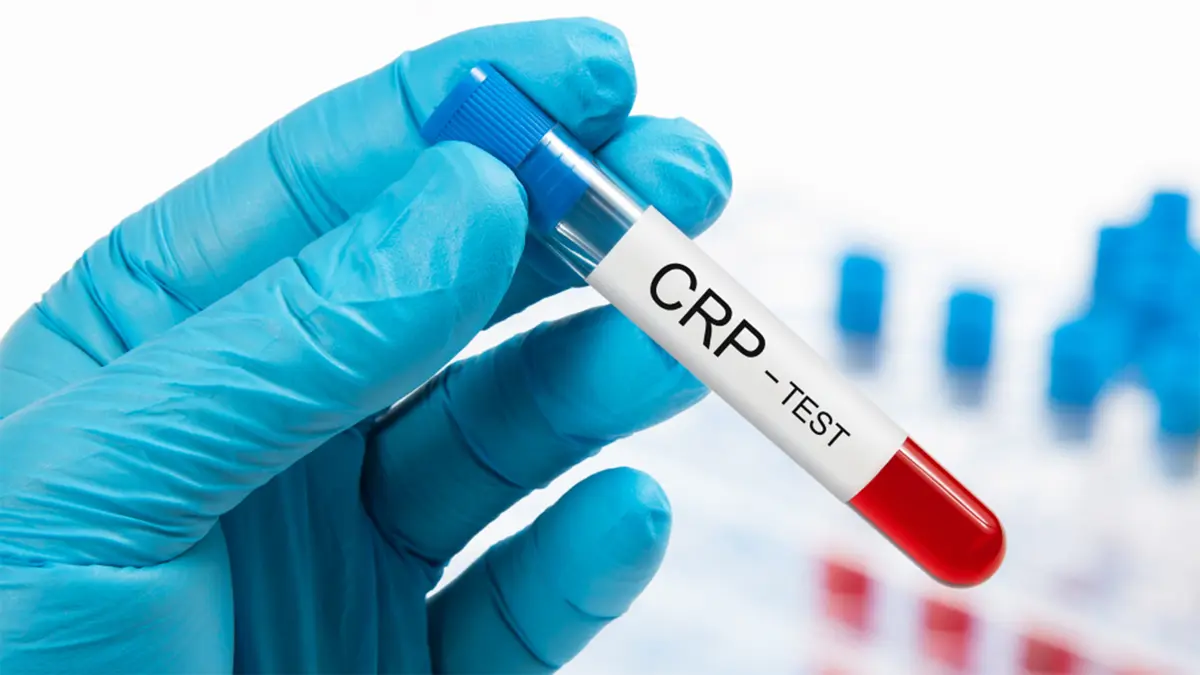
Medical societies have begun recommending routine testing for C‑reactive protein (CRP) as a tool for assessing cardiovascular risk. Recent studies indicate that elevated CRP levels are a stronger predictor of heart attacks and strokes than high cholesterol. Following these findings, the American College of Cardiology advised universal CRP screening to identify individuals with hidden inflammation who may be at high risk for heart disease.
Background
CRP is a protein produced by the liver in response to inflammation anywhere in the body. When tissues are damaged by infection, injury or chronic conditions like obesity and autoimmune diseases, the immune system releases cytokines that signal the liver to produce CRP. The protein circulates in the blood and can be measured with a simple blood test. Low CRP levels (below 1 mg/dL) suggest minimal inflammation, whereas high levels (above 3 mg/dL) indicate increased inflammatory activity. Because chronic inflammation contributes to the development of atherosclerosis, CRP has attracted attention as a marker for heart disease.
What research shows
- Predictive power: Large studies have found that people with high CRP levels are more likely to experience heart attacks and strokes than those with elevated cholesterol alone. CRP levels correlate with the degree of plaque instability in arteries, making it a better predictor of acute events.
- Inflammation and atherosclerosis: When the inner lining of arteries is damaged by factors like high blood pressure, smoking or diabetes, LDL cholesterol infiltrates the wall and forms fatty deposits. The immune system responds with inflammation, and CRP levels rise. Persistent inflammation can cause plaques to rupture, leading to clots that block blood flow.
- Broader assessments: Researchers note that CRP should be considered alongside other markers such as apolipoprotein B, blood pressure, blood sugar and family history. A comprehensive assessment provides a more accurate picture of cardiovascular risk than any single measurement.
How to lower CRP levels
- Healthy diet: Eating a variety of fruits, vegetables and whole grains helps reduce inflammation. Foods rich in omega‑3 fats (such as flax seeds and chia seeds), berries, olive oil and green tea have anti‑inflammatory properties.
- Weight management: Losing excess weight and maintaining a healthy body mass index (BMI) can lower CRP levels. Obesity, especially abdominal fat, is associated with chronic low‑grade inflammation.
- Physical activity: Regular exercise improves cardiovascular health and reduces inflammatory markers. Even moderate activities like brisk walking or yoga can have beneficial effects.
- Managing chronic conditions: Controlling high blood pressure, diabetes and autoimmune diseases with medication and lifestyle changes helps reduce inflammation and the resulting CRP levels.
Significance
- Early detection: Measuring CRP helps identify people who may not display symptoms but still carry a high risk of heart disease. This allows for preventive measures before irreversible damage occurs.
- Targeted interventions: Recognising inflammation as a key driver of atherosclerosis shifts the focus from cholesterol alone to a more holistic approach. Physicians can combine statins with anti‑inflammatory therapies and lifestyle modifications to manage risk.
- Public health implications: With over half of adults in some countries showing elevated CRP levels, widespread screening could help reduce the burden of cardiovascular disease through early intervention.
Conclusion
C‑reactive protein is emerging as a vital marker for understanding and managing heart disease. By combining CRP measurement with traditional risk factors, individuals and healthcare providers can adopt more personalised strategies to prevent heart attacks and strokes.
Source: LiveScience