

Why in news?
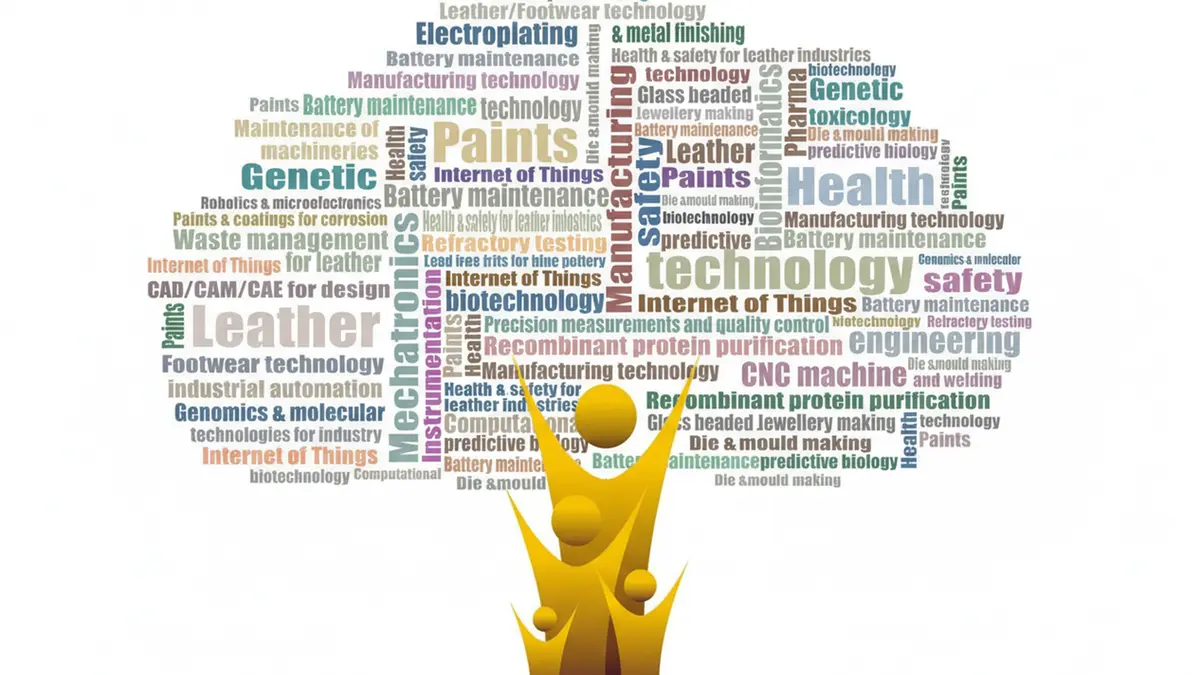
India’s Council of Scientific & Industrial Research (CSIR) launched the third phase of its Integrated Skill Initiative in mid‑2025. By January 2026 the programme had trained more than 1.9 lakh people and introduced over 5,200 short courses. News reports highlight that the initiative is helping bridge the gap between scientific research and industry by equipping students, workers and farmers with practical skills.
Background
CSIR is India’s premier network of national laboratories engaged in research across disciplines such as chemistry, biology, materials science and engineering. Recognising the need to translate research into employment opportunities, CSIR launched the Integrated Skill Initiative in 2017. The programme uses laboratory infrastructure to offer hands‑on training in areas aligned with national sectoral skill councils. Participants range from school dropouts and farmers to researchers and industry workers. Courses typically last one to six weeks and cover subjects like biotechnology techniques, chemical analysis, waste management, food processing and renewable energy.
Key features
- Diverse sectors: Training modules span 18 of the 36 sectors recognised by India’s National Skill Development Mission, including agriculture, electronics, healthcare, textiles and energy.
- Inclusive participation: Both urban and rural learners, including women and disadvantaged groups, are encouraged to enrol. Participants receive stipends in some programmes and may be connected to employment opportunities.
- Hands‑on learning: CSIR laboratories provide access to modern equipment and expertise, allowing trainees to practise techniques rather than only learn theory.
- Industry linkage: The initiative collaborates with industrial partners to ensure that skills taught match current workplace needs. This alignment improves employability and encourages entrepreneurship.
- National reach: Training centres operate across multiple states, making the programme accessible to learners from different regions.
Impact
- Skill development: By early 2026 the initiative had trained about 1.9 lakh people through more than 5,200 courses. Many trainees have found jobs or started small enterprises based on the skills acquired.
- Third phase expansion: The latest phase emphasises new technologies such as artificial intelligence, data analytics and sustainable materials. Around 14,000 individuals were trained through over 425 programmes in the first few months.
- Support for innovation: Participants are encouraged to undertake projects that address local problems, such as developing low‑cost water purifiers, composting systems or eco‑friendly packaging.
Conclusion
The CSIR Integrated Skill Initiative shows how scientific institutions can directly contribute to skill development and employment generation. By offering flexible, industry‑oriented training, it empowers diverse sections of society and strengthens India’s innovation ecosystem.
Source: Press Information Bureau