Why in news?
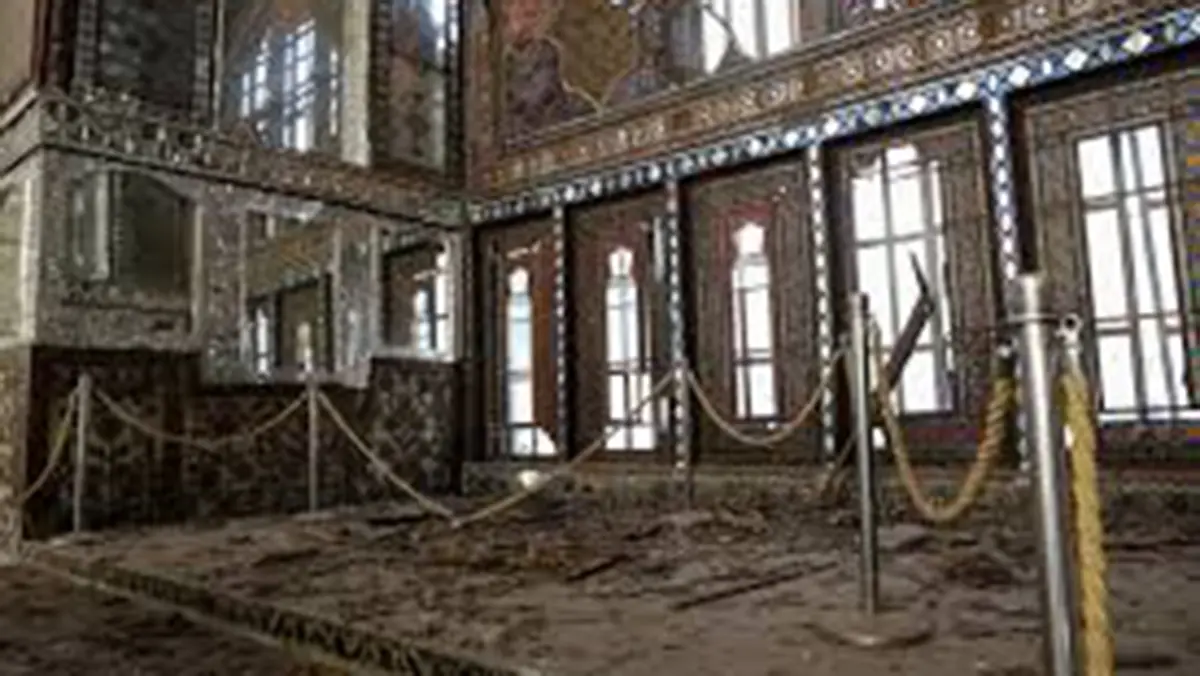
Reports from Tehran indicate that the historic Golestan Palace complex sustained structural damage during recent missile strikes linked to escalating regional tensions. The Iranian government and UNESCO are assessing the extent of the damage. The palace is a prized World Heritage Site and one of Iran’s most treasured cultural landmarks.
Background
Golestan Palace, meaning “Rose Garden Palace,” lies in central Tehran. Its origins go back to the 16th century Safavid era, when it was built as a citadel. During the 18th and 19th centuries the Qajar dynasty transformed the site into a grand palace complex combining Persian and European architectural styles. The palace served as the Qajar seat of government and was later used for royal ceremonies under the Pahlavi dynasty. It was recognised as a UNESCO World Heritage Site in 2013.
The complex comprises several buildings and gardens. It is renowned for its intricate tile work, grand ceremonial halls and elegant garden courtyards. Important halls include the Mirror Hall, Brilliant Hall, Ivory Hall, Salam Hall and Reception Hall, which showcase elaborate stucco, mirror mosaics, and chandeliers. The palace’s brightly coloured tiles feature floral patterns, geometric designs and calligraphy in vibrant hues of yellow, turquoise and cobalt blue. These aesthetic choices reflect both Persian artistic traditions and European influences introduced during the Qajar era.
Context of the damage
- Recent regional conflicts have seen missile attacks and drone strikes affecting civilian infrastructure in Tehran. One such strike reportedly caused partial damage to the Golestan Palace complex, shattering windows and causing cracks in masonry.
- UNESCO officials have expressed concern and offered technical assistance to help Iran stabilise and restore the affected structures.
- The incident underscores the vulnerability of cultural heritage sites during armed conflicts and the need for international cooperation to protect them.
Sources: Economic Times