

Why in news?
On 10 December 2025 UNESCO’s Intergovernmental Committee for the Safeguarding of Intangible Cultural Heritage, meeting in New Delhi, inscribed Deepavali (Diwali) on its Representative List. Deepavali thus became the sixteenth Indian element on this prestigious register of living traditions.
Background
UNESCO’s Representative List of the Intangible Cultural Heritage of Humanity aims to protect cultural practices, knowledge and expressions that communities recognise as part of their heritage. Each country may nominate one element every two years. India submitted the dossier for Deepavali for the 2024‑25 cycle, highlighting the festival’s themes of light, community bonding and continuity of tradition.
About Deepavali
- Deepavali literally means “row of lamps”. Celebrated on the new‑moon night of the Hindu month of Kartik (October–November), it marks the victory of light over darkness and good over evil.
- The festival is associated with many legends: Lord Rama’s return to Ayodhya after defeating Ravana; Lord Krishna’s slaying of the demon Narakasura; the nirvana of Lord Mahavira; Goddess Lakshmi’s arrival and the worship of Lord Ganesha; Govardhan puja; and the story of King Bali, among others.
- The celebration spans five days: Dhanteras (worship of prosperity and purchase of utensils), Naraka Chaturdashi (symbolising removal of evil), the main day of Lakshmi‑Ganesha puja, the fourth day when families visit each other and exchange sweets, and Bhai Dooj honouring the bond between brothers and sisters.
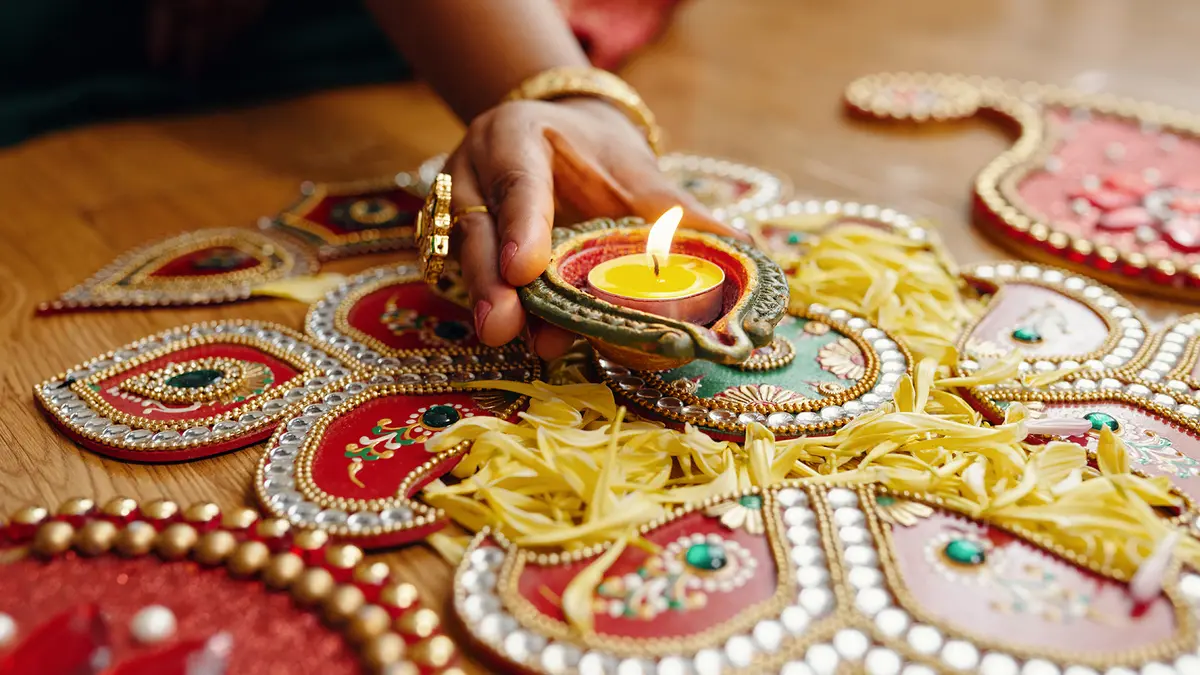
- Rituals include lighting earthen lamps and candles, drawing rangoli patterns, cleaning and decorating homes, performing puja, bursting firecrackers and sharing gifts. The festival transcends religious boundaries and is celebrated by many communities, including Jains and Sikhs.
Significance of the inscription
- International recognition: The listing acknowledges Deepavali as a cultural practice of outstanding universal value, which fosters social cohesion and inter‑cultural dialogue.
- Safeguarding intangible heritage: Inclusion on the UNESCO list draws attention to the need to protect rituals, songs, craft traditions and oral narratives associated with the festival from commercialisation and loss.
- Boost to tourism and artisans: The recognition is expected to enhance cultural tourism. It may also support artisans who make lamps, sweets, idols and traditional decorations for the festival.
- Encouraging community participation: Countries are required to develop safeguarding plans after inscription. India’s dossier highlights community-led initiatives such as public lighting of diyas, eco‑friendly celebrations and interfaith gatherings.
Conclusion
Deepavali’s addition to UNESCO’s Representative List underscores the festival’s enduring relevance. While the celebration already enjoys pan‑Indian popularity, global recognition may inspire efforts to make it more inclusive and environmentally responsible. Safeguarding the intangible aspects—stories, songs, rituals and crafts—will ensure that future generations experience not just the spectacle of lights but also the deeper cultural meanings.
Sources: Press Information Bureau – Deepavali inscription at UNESCO