

Why in news?
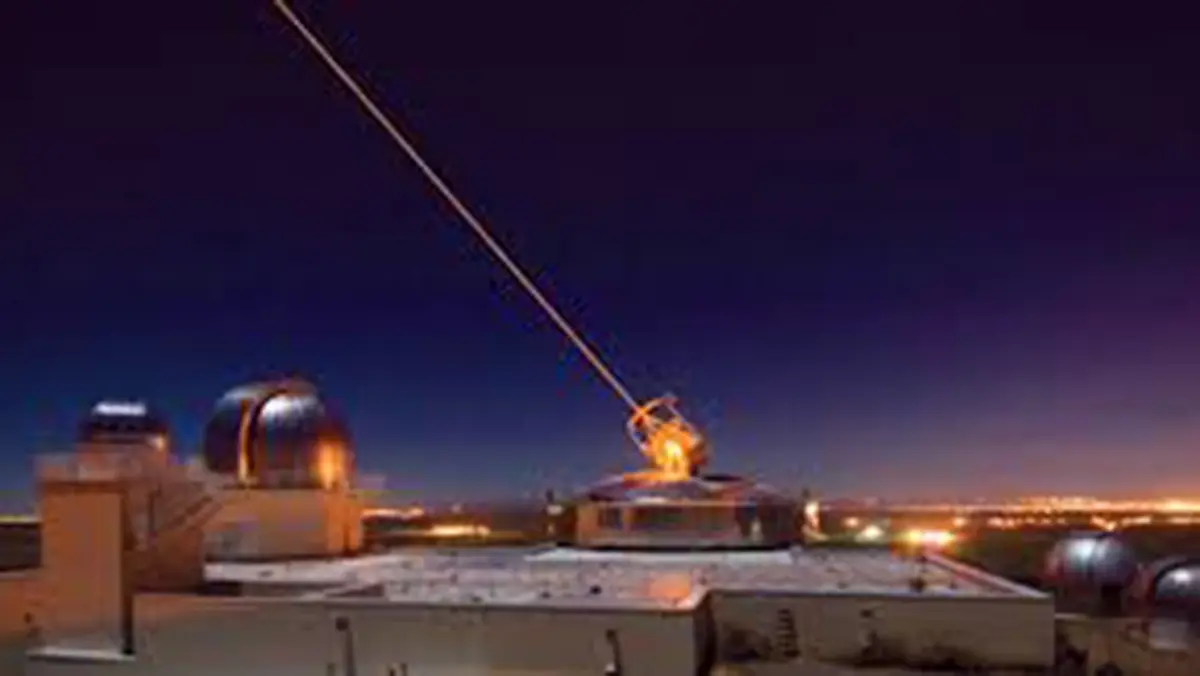
Defence Research and Development Organisation (DRDO) approved the transfer of technology for a multi‑channel 10 kW laser‑based directed energy weapon and an electro‑optical tracking system to a private firm. The announcement signals India’s intent to develop indigenous high‑energy laser weapons capable of neutralising drones and other aerial threats.
Background
What are directed energy weapons? Directed energy weapons (DEWs) use highly focused energy—usually electromagnetic—instead of projectiles. They generate beams of photons (lasers), microwaves or other forms of radiation to damage or disable targets.
- Types of DEWs:
- High‑energy lasers: Concentrated beams of light that can cut or burn through targets with precision.
- High‑power microwave weapons: Emit intense radio waves that fry electronic circuits, sensors or guidance systems of missiles and drones.
- Millimetre wave weapons: Operate at shorter wavelengths and can cause painful heating of skin; often used for crowd control.
- Advantages: Attacks travel at the speed of light, allowing instantaneous engagement. They have low per‑shot operating costs since no ammunition is consumed and can be finely tuned to minimise collateral damage.
- Challenges: Atmospheric conditions like dust, rain or fog can attenuate beams. Generating and cooling high‑power lasers requires bulky power sources. There are also legal and ethical questions about deployment and escalation.
- Global context: The United States, Russia, China and several other countries are developing DEWs for air defence, anti‑drone and missile defence roles. Some systems, such as the U.S. Navy’s Laser Weapon System (LaWS), have been tested aboard ships.
- Indian efforts: DRDO has been researching laser and microwave weapons under projects like DURGA (Directionally Unrestricted Ray‑Gun Array). The approved technology transfer gives a private industry partner the right to manufacture subsystems for a 10 kW laser and tracking system, accelerating deployment.
Significance
- Indigenous capability: Developing and manufacturing DEWs in India reduces dependence on foreign technology and supports the “Atmanirbhar Bharat” initiative.
- Countering drones: Low‑slow‑small drones are difficult to target with conventional weapons. Laser weapons can silently and swiftly neutralise them, enhancing base and border security.
- Defence modernisation: DEWs add a new layer to India’s air‑defence network, complementing missiles, guns and electronic warfare.
Source: TH