

Why in news?
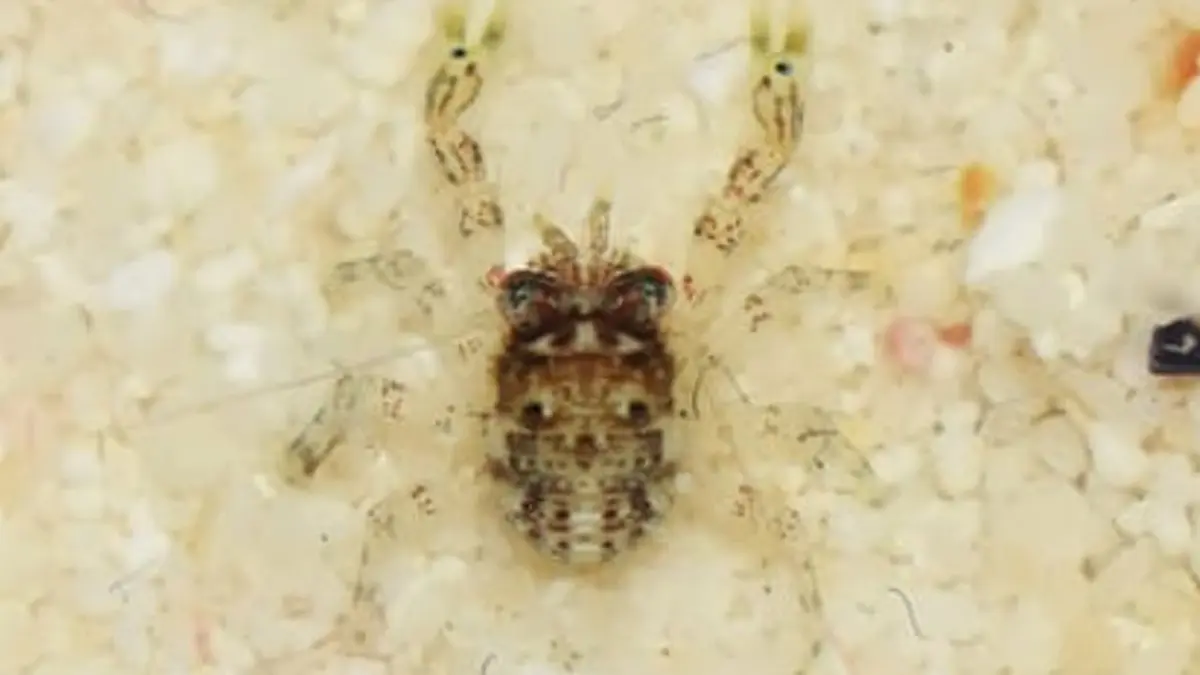
Marine biologists from the National Bureau of Fish Genetic Resources (NBFGR) have discovered a tiny three‑millimetre squat lobster in the lagoon around Agatti Island in Lakshadweep. The new species has been named Galathea balasubramaniani to honour marine scientist T. Balasubramanian. Its discovery attracted attention because it highlights the rich but poorly studied diversity of crustaceans in India’s coral reefs.
Background
Squat lobsters belong to the genus Galathea, which includes small crustaceans living among reefs. These animals are not true lobsters but are more closely related to hermit crabs and are known for their long claws and flattened bodies. Researchers collect them by hand from coral rubble and seaweed. When new species are identified, scientists carefully compare their body structures and genetic material with known species to confirm the discovery.
About the species
- Tiny yet distinct: The new squat lobster is only about 3 mm long. Despite its size, it has unique physical features such as sharp spines on its shell and a slender body, distinguishing it from other members of its genus.
- Origin of the name: Researchers named the species after Prof T. Balasubramanian, a pioneer in marine biology who served as the former vice‑chancellor of Tamil Nadu Dr J Jayalalithaa Fisheries University. This honour recognises his contributions to marine science.
- Importance of coral reefs: Coral reefs like those in Lakshadweep are home to many species not yet described by science. Discovering new organisms indicates healthy reefs and highlights the need to protect these ecosystems from pollution, climate change and overfishing.
Why it matters
- Biodiversity documentation: Accurate recording of marine species helps scientists understand how many species exist and how they are related. This knowledge is crucial for conservation planning.
- Indicator of reef health: The presence of rare or new species suggests that the local environment is still relatively undisturbed. Conservationists can use such discoveries to advocate for stricter protection.
- Research opportunities: Each new species provides opportunities for further research into its ecology, behaviour and potential uses in biotechnology.
Source: The New Indian Express