

Why in news?
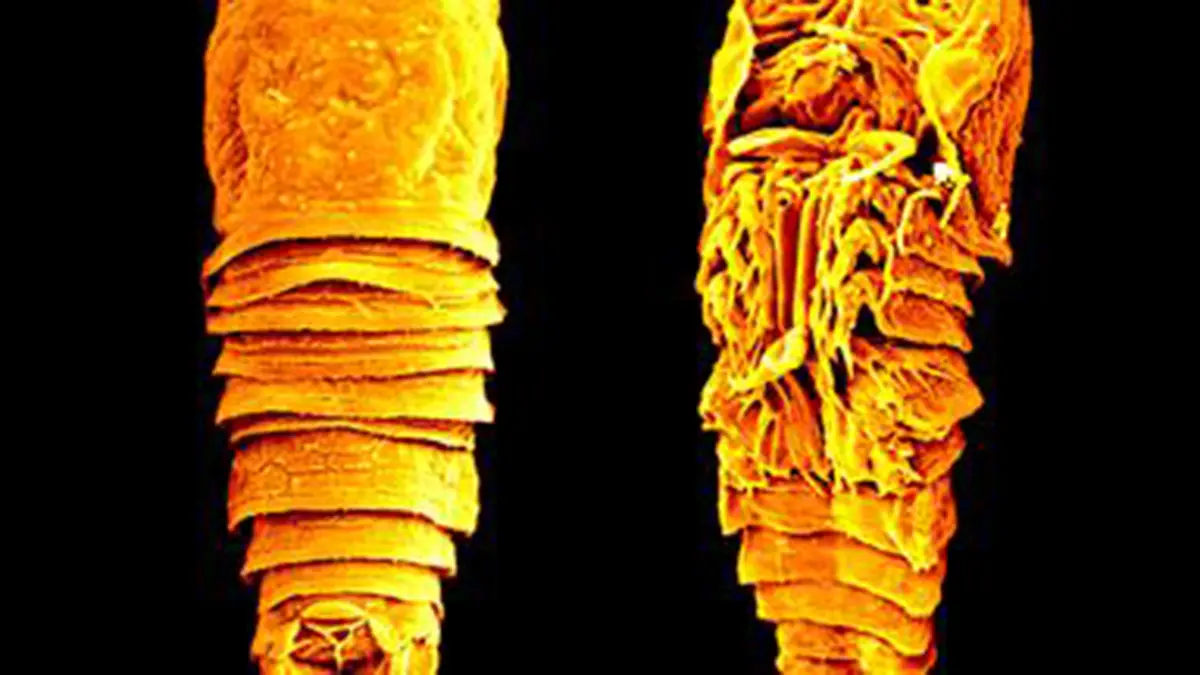
Marine biologists from Cochin University of Science and Technology (CUSAT) and the National Autonomous University of Mexico have identified a new genus and species of microscopic crustacean in the Kavaratti lagoon of Lakshadweep. Named Indiaphonte bijoyi, the discovery honours India’s contribution to marine taxonomy and pays tribute to marine scientist Professor S. Bijoy Nandan.
Background
Indiaphonte bijoyi is a harpacticoid copepod belonging to the family Laophontidae. Copepods are tiny crustaceans with jointed limbs that inhabit oceans, lakes and soils. Most members of Laophontidae are benthic – they live on or near the seabed among algae, seagrass and sediments – and have cylindrical bodies adapted to crawling through interstitial spaces. The family is remarkably diverse, encompassing more than 320 species across 74 genera.
Key features
- Novel genus and species: Indiaphonte is a new genus identified from the south‑eastern Arabian Sea. The genus name combines “India” with the suffix “phonte” common in the family, while the species epithet “bijoyi” honours Professor Bijoy Nandan.
- Morphological distinctions: The copepod is characterised by unique segmentation of its swimming legs, an unusual shape of the caudal rami (the paired appendages at the rear) and distinctive antenna structures. Unlike many harpacticoid copepods, Indiaphonte bijoyi shows little or no sexual dimorphism – males and females look very similar.
- Habitat: The specimen was collected from the intertidal zone of Kavaratti lagoon, a region known for high meiofaunal diversity. Such organisms play a vital role in nutrient cycling and serve as indicators of environmental health.
- Taxonomic significance: Discovering a new genus underscores how little is known about India’s microscopic marine fauna. It suggests that lagoon ecosystems harbour many undescribed species and highlights the importance of detailed morphological and genetic studies.
About the Laophontidae family
Members of Laophontidae are small (often less than a millimetre long) and inhabit intertidal or shallow subtidal environments worldwide. They possess cylindrical bodies that allow them to move through sand grains and detritus. Their diversity reflects adaptation to different ecological niches, making them useful indicators of habitat changes.
Why it matters
The discovery of Indiaphonte bijoyi expands our understanding of marine biodiversity and showcases India’s growing role in taxonomic research. Documenting new species helps scientists monitor ecosystem health, informs conservation strategies and may reveal organisms with unique biochemical compounds or ecological functions.
Sources: TH