

Why in news?
The Bombay Natural History Society reported sterilising more than 2,950 free-ranging dogs in Ladakh. The programme seeks to reduce risks to cranes and other wildlife.
The conservation concern
Free-ranging dogs can attack adult birds, chicks and eggs. Ladakh authorities have specifically recorded attacks around black-necked crane nesting sites.
The Bombay Natural History Society began combining dog-population work with wildlife protection. Its programme involves sterilisation, vaccination and local coordination.
Sterilisation can slow population growth over time. It does not immediately remove every risk from animals already roaming sensitive habitats.
Species and landscape
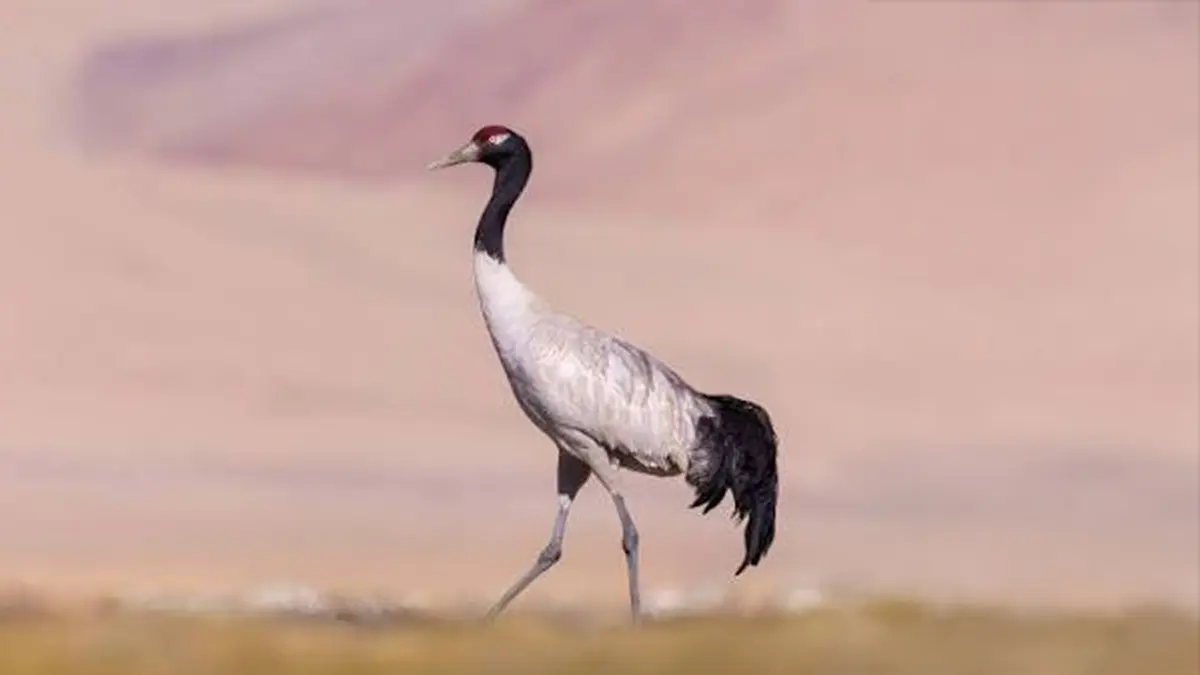
The black-necked crane is scientifically known as Grus nigricollis. It is classified as Near Threatened on the International Union for Conservation of Nature Red List.
The species is listed in Appendix I of the Convention on International Trade in Endangered Species. That listing tightly regulates international commercial trade.
In India, the crane breeds mainly in high-altitude wetlands of Ladakh. These cold-desert wetlands sit within the trans-Himalayan plateau.
The conservation landscape includes Changthang, Hemis, the Karakoram and parts of Leh, Kargil and Drass. Settlements, tourism and grazing occur beside wildlife habitat.
Dogs are linked to human systems
Open food waste can sustain large dog populations. Wildlife protection therefore requires better waste management alongside humane animal control.
A complete response
Animal Birth Control must follow veterinary standards and sustained coverage. Vaccination also reduces rabies risk for people, livestock and wildlife.
Waste should be collected, processed and secured from scavengers. Otherwise, food availability can offset gains from sterilisation.
Nest guards can protect breeding sites during the vulnerable season. Ladakh has already used community-based guarding near crane nests.
Monitoring should record dog abundance and crane breeding outcomes. Counting procedures alone cannot show whether wildlife risk has declined.
Tourism operators, defence establishments and local bodies all influence waste streams. Coordination across these actors is essential in remote landscapes.
Humane handling also matters. Animal control can protect wildlife while meeting veterinary and welfare obligations.
Seasonal data should separate breeding wetlands from towns and roads. This can direct effort towards periods and locations of greatest risk.
Community reporting may reveal new conflict points quickly. Residents often notice changes in dog groups before a formal survey does.
One ecological problem, several public systems
Humane dog management, clean settlements and guarded wetlands must operate together. No single intervention can secure the cranes.
Conclusion
Ladakh’s programme addresses a real and documented threat. Its success should be measured through healthier dog populations and safer crane breeding.