Why in news?
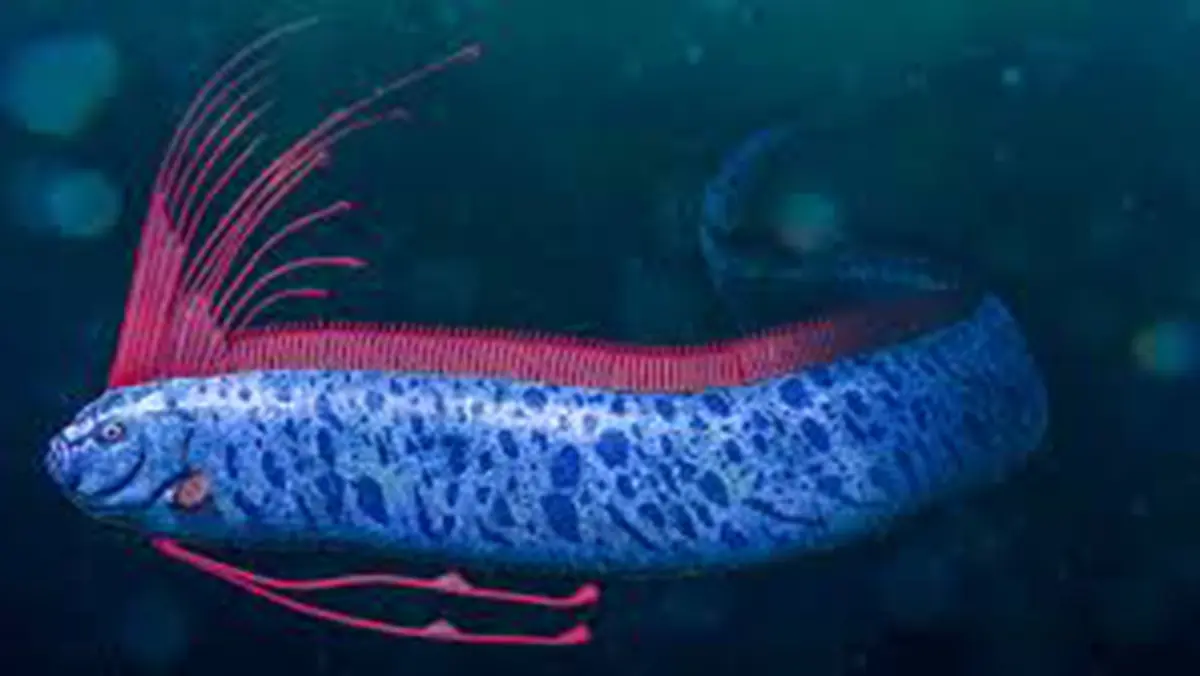
Two large oarfish, sometimes nicknamed “doomsday fish”, were spotted by divers near Cabo San Lucas on Mexico’s Pacific coast in early March 2026. Videos of the metre‑long, ribbon‑like fishes quickly went viral, reviving myths that oarfish surface before natural disasters.
Background
Oarfish belong to the genus Regalecus and are among the world’s longest bony fishes, capable of growing more than 10 metres (30 feet). They inhabit deep‑sea waters at depths between 200 and 1,000 metres and rarely come near the surface. Their silver, eel‑like bodies and red dorsal crests have fuelled legends of sea serpents.
The term “doomsday fish” stems from folklore in Japan and elsewhere where the appearance of oarfish near the shore was believed to foretell earthquakes or tsunamis. Scientists, however, stress that there is no evidence linking oarfish sightings to seismic events; any associations are coincidental. The recent sightings were likely due to unusual ocean currents or illness. Marine biologists urge the public not to disturb these fragile creatures when they are spotted.
Key points and significance
- Rare surface appearances: Oarfish usually dwell in deep waters, so seeing them near the shore is uncommon and draws attention from tourists and researchers alike.
- Folklore versus science: While myths connect oarfish sightings with impending disasters, scientific studies have found no causal link between the two.
- Conservation message: Encounters with deep‑sea creatures remind us of the ocean’s biodiversity. Protecting marine habitats is critical as climate change and pollution push species beyond their usual ranges.
- Public awareness: Viral videos can be harnessed to educate people about marine ecology and dispel misconceptions about wildlife.