
Why in news?
The Ministry of Environment, Forest and Climate Change released draft Tar Balls Management Rules 2026 to address the frequent deposition of tar balls along India’s coasts. The draft seeks comments from stakeholders and outlines responsibilities for different agencies to prevent, detect and clean up these weathered oil residues.
Background
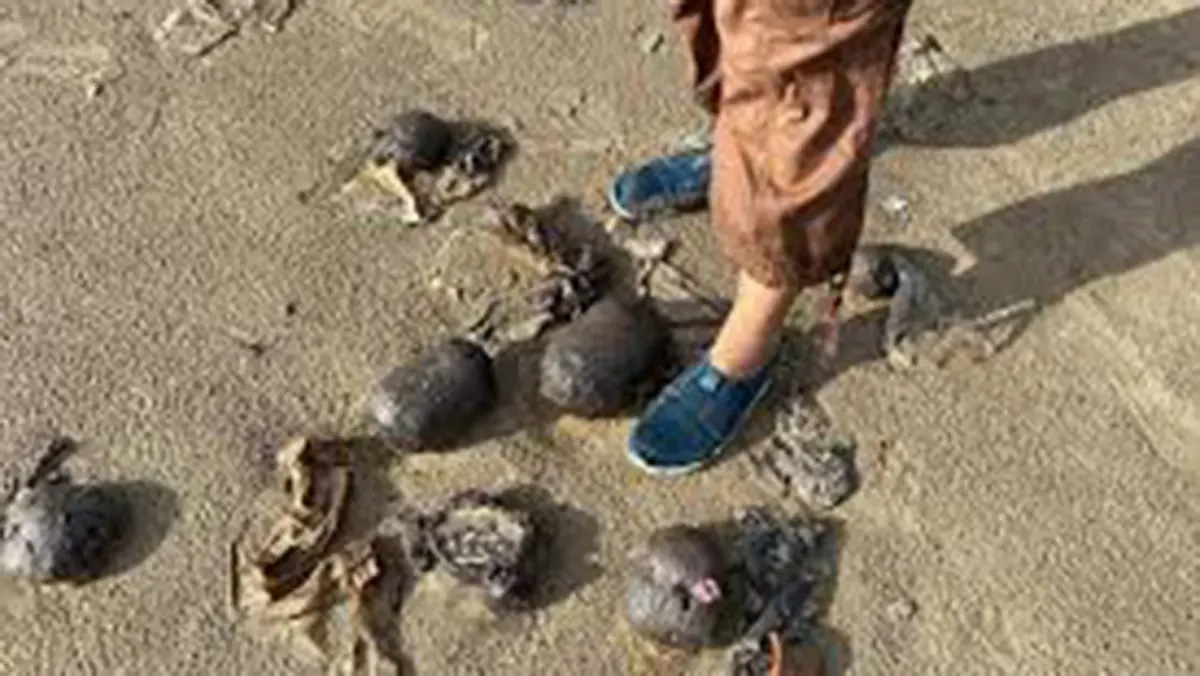
Tar balls are small, sticky lumps of hardened oil that form when crude oil or bunker fuel spills into the sea and weathers under sunlight and wave action. As the lighter fractions evaporate, heavier components mix with water and debris, eventually forming coin‑sized or larger blobs. These tar balls can travel long distances with currents and winds, washing up on beaches and interfering with tourism, fisheries and marine life.
Draft rule provisions
- State‑level crisis groups: States must constitute crisis management groups under the National Oil Spill Disaster Contingency Plan to coordinate response actions, including surveillance and shoreline clean‑up.
- Declaration of disaster: If a significant tar ball event occurs, state governments should declare it a state disaster under the Disaster Management Act to access relief funds and ensure timely action.
- Roles and responsibilities: District administrations are tasked with collecting and safely disposing of tar balls; coastal municipalities must demarcate temporary storage and treatment sites. The Indian Coast Guard will conduct aerial and maritime patrols, deploy sensors and use satellite data to detect oil slicks and issue early warnings.
- Preventive measures: The Ministries of Defence, Ports, Shipping and Waterways, and Petroleum and Natural Gas are expected to tighten monitoring of oil transfers at sea, enforce proper waste management on ships and coordinate with neighbouring countries to minimise spills.
- Environmental safeguards: Cleanup operations should minimise harm to nesting turtles, corals and mangroves. Collected tar balls are to be treated at authorised facilities before disposal.
Why tar balls are a concern
- Ecosystem impacts: Tar balls can smother coral reefs, contaminate beaches and entangle marine organisms. They often contain toxic hydrocarbons and heavy metals that accumulate in the food chain.
- Human health and economy: Fisherfolk risk skin irritation and respiratory problems when handling tar balls. Tourism suffers when beaches are littered with oily debris, and coastal clean‑ups entail significant costs.
- Seasonal patterns: India’s western coast from Gujarat to Goa experiences tar ball events mainly between April and September due to monsoon currents and offshore shipping routes.
Source: NOAA, The New Indian Express

