

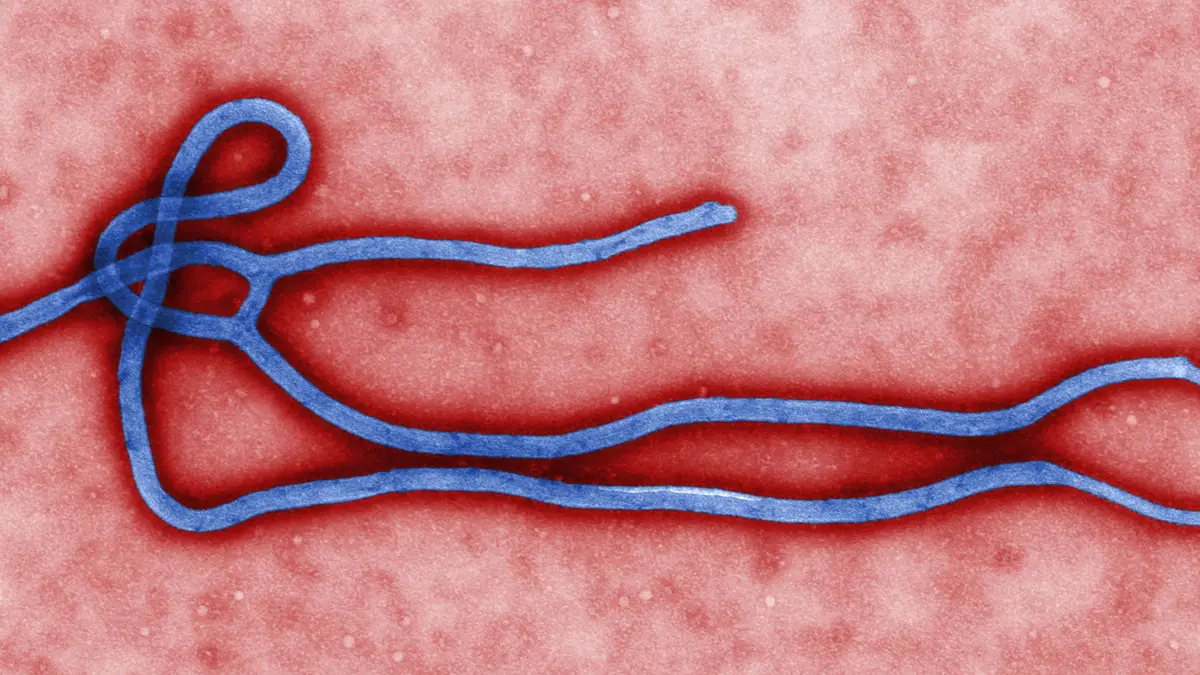
Why in news?
Health authorities in the Democratic Republic of the Congo (DRC) have officially declared an end to the country’s latest Ebola outbreak after completing the required 42‑day observation period without new cases. The outbreak, centred in the remote Kasai region, was declared on 4 September 2025 and lasted about three months.
Background
Ebola virus disease is a severe and often fatal illness transmitted to humans from wild animals and spreading through human‑to‑human contact. The DRC has faced multiple outbreaks since the virus was first identified there in 1976. Rapid diagnosis, contact tracing, community engagement and vaccination are crucial to control the disease.
The 2025 outbreak recorded 53 confirmed and 11 probable cases, with 45 deaths. A strong response led by the DRC Ministry of Health, the Africa Centres for Disease Control and Prevention (Africa CDC) and the World Health Organization (WHO) deployed vaccines, treatment centres and health workers. Over 47,500 people were vaccinated, including front‑line workers and contacts of patients.
Response and lessons
- Vaccination campaign: Health authorities deployed more than 48,000 doses of the rVSV‑ZEBOV vaccine. Ring vaccination, where contacts and contacts of contacts are immunised, helped break chains of transmission.
- Infectious disease modules: Mobile treatment units were set up to isolate and care for patients while protecting healthcare workers. Community engagement teams educated residents on safe burials and hygiene practices.
- Enhanced surveillance: A 90‑day period of heightened surveillance will continue to ensure the outbreak does not re‑emerge. Authorities will study the response to improve preparedness for future outbreaks.
Importance of sustained support
While the successful containment is encouraging, the DRC’s health system remains fragile due to ongoing conflicts and limited infrastructure. Agencies like UNICEF emphasised the need for long‑term investment in water, sanitation and health services. Lessons from the outbreak will inform global strategies for emerging infectious diseases.
Source: MINT