

Why in news?
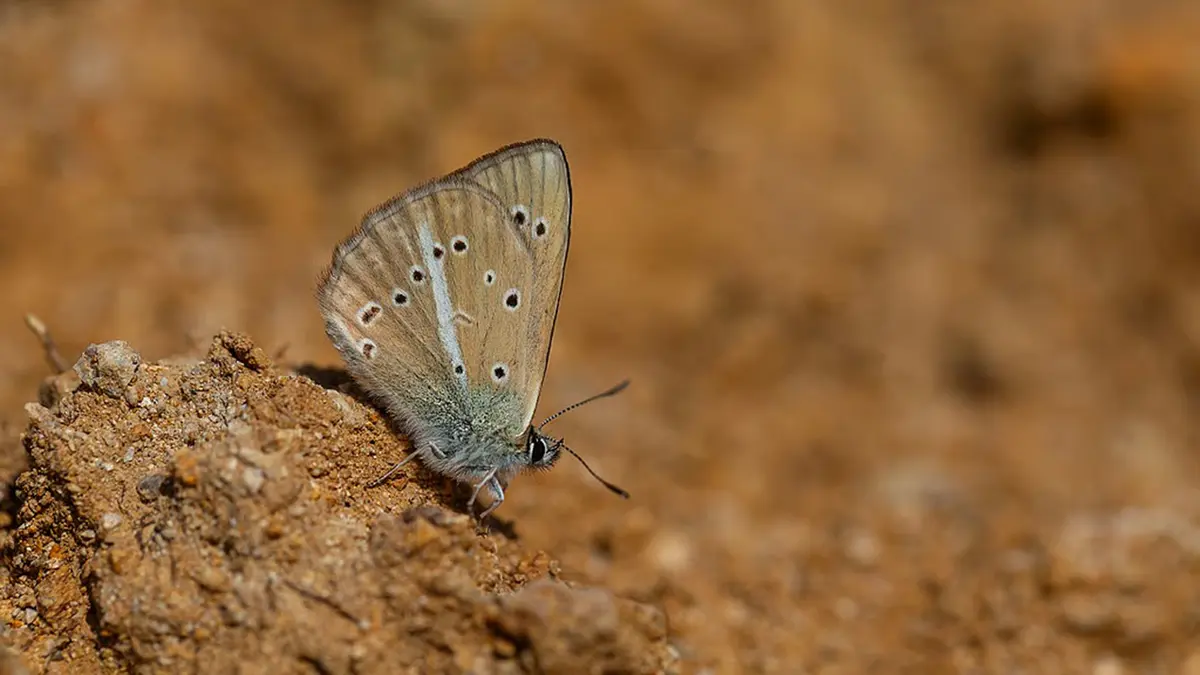
Armenia has unveiled the emblem for the 17th Conference of the Parties (COP17) to the Convention on Biological Diversity (CBD), scheduled for October 2026 in Yerevan. The logo features the Erivan Anomalous Blue butterfly (Polyommatus eriwanensis), highlighting the nation’s unique biodiversity.
Background on the species
The Erivan Anomalous Blue is a small lycaenid butterfly endemic to the Transcaucasian region. It is found only in Armenia, where it inhabits calcareous grasslands at altitudes between 1,200 and 2,200 metres. The species produces one generation per year and is on the wing from mid‑June to mid‑July. Its larval host plant is still unknown, making population monitoring difficult. Because the butterfly is hard to identify in the field, counts are conducted at watering and roosting sites. It is not on global or European Red Lists but is classified as Endangered in Armenia’s Red Book. Protected areas such as the Khosrov Forest State Reserve and Gnishik Protected Landscape cover part of its range.
COP17 and the Kunming–Montreal Global Biodiversity Framework
- Convention on Biological Diversity: The CBD was opened for signature at the 1992 Rio Earth Summit and entered into force in 1993. Its objectives are the conservation of biological diversity, sustainable use of its components and fair sharing of benefits arising from genetic resources.
- Kunming–Montreal GBF: COP15, held in 2021–22, adopted the Kunming–Montreal Global Biodiversity Framework (GBF), which sets 23 targets to halt and reverse biodiversity loss by 2030, including protecting 30 % of the world’s land and seas.
- COP17 in Yerevan: COP17 will be the first global review of progress under the GBF. Armenia’s logo uses 23 colours to represent the 23 targets. Choosing a locally endemic butterfly underscores the importance of conserving fragile and often overlooked species.
Significance
Emphasising a rare endemic species in the COP17 logo highlights Armenia’s natural heritage and reinforces the CBD’s message that conservation must be locally grounded. It also draws attention to the need for research on the species’ ecology and host plant to ensure effective protection.
Sources: Down To Earth