

Why in news?
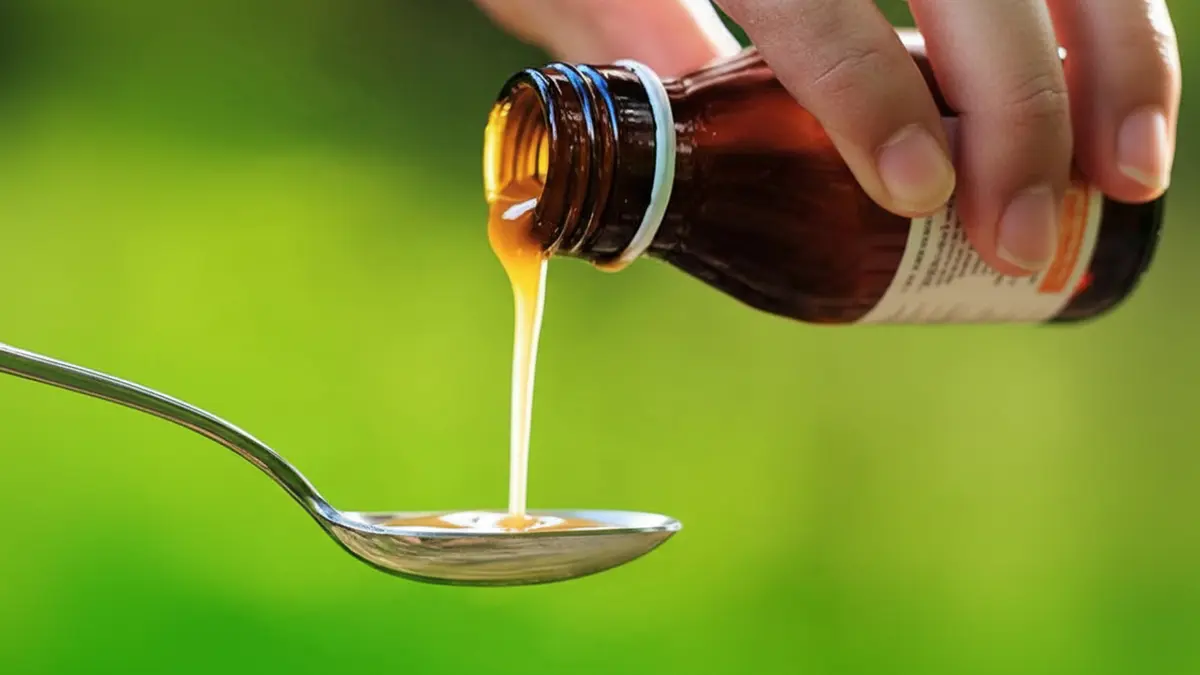
In early January 2026, the Drugs Control Administration of Telangana issued a stop‑use notice for Almont‑Kid syrup, an allergy medicine for children, after tests revealed contamination with ethylene glycol. The incident echoes previous tragedies abroad where contaminated medicines caused fatalities, prompting concern over pharmaceutical quality control in India.
Background
Ethylene glycol is a clear, sweet‑tasting liquid widely used in industrial processes such as making polyethylene terephthalate (PET) plastic, coolants and antifreeze. It is produced by reacting ethylene oxide with water. Although useful in manufacturing, it is highly toxic if ingested. Small doses can cause nausea, vomiting and central nervous system depression; larger doses lead to metabolic acidosis, kidney failure and death. To prevent accidental poisoning, manufacturers of automotive antifreeze add bittering agents to deter ingestion.
Recent contamination incident
- Almont‑Kid syrup: The Central Drugs Standard Control Organisation (CDSCO) found that batches of this paediatric cough and allergy syrup contained ethylene glycol. Regulatory authorities instructed pharmacies and hospitals to stop using and recall the product.
- Global context: Similar contamination incidents occurred in 2022 and 2023 in The Gambia, Indonesia and Uzbekistan, where cough syrups tainted with ethylene glycol or diethylene glycol caused acute kidney injury and deaths in children. These tragedies highlighted weaknesses in supply chains and testing.
- Quality control lapses: In pharmaceuticals, ethylene glycol can be an unintended contaminant of glycerin or propylene glycol used as solvents. Inadequate testing or substitution of cheaper industrial grade material may introduce toxins.
Safety and regulation
Regulatory agencies require stringent testing of raw materials and finished medicines to detect toxic compounds. Manufacturers should source only pharmaceutical‑grade excipients and perform routine quality checks. The World Health Organization recommends independent verification of imported ingredients and transparency in supply chains. In India, the CDSCO and state drug controllers have tightened inspections after recent incidents.
Conclusion
Ethylene glycol underscores both the utility and dangers of industrial chemicals. While essential for manufacturing, it must be kept out of medicines. The recent contamination case should prompt stronger regulatory oversight and vigilance by manufacturers to safeguard public health.
Source: The Hindu