

Why in news?
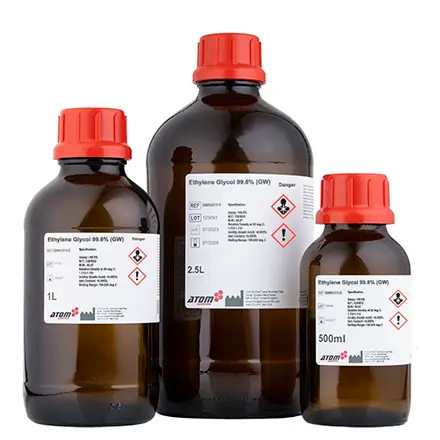
Health authorities in Tamil Nadu recently warned drug manufacturers after detecting contamination of a medicinal syrup with ethylene glycol, a toxic industrial chemical. The incident follows global tragedies where di‑ethylene glycol (a related compound) used as a cheap solvent has caused mass poisonings. The alert has reignited discussion about pharmaceutical quality control and the history of glycol‑related outbreaks.
Background
Ethylene glycol and di‑ethylene glycol are colourless, sweet‑tasting liquids used in antifreeze, brake fluids, plastic resins, adhesives and textiles. Their toxicity arises when metabolized to acids that damage organs, especially the kidneys. In the pharmaceutical industry, they have sometimes been illegally substituted for glycerin (a safe solvent) because they are cheaper. Such adulteration has caused fatal poisonings worldwide.
Historical incidents
- United States 1937: The inclusion of di‑ethylene glycol in “Elixir Sulfanilamide” killed over 100 people. The tragedy led to the 1938 Federal Food, Drug and Cosmetic Act, which empowered regulators to scrutinize drug ingredients.
- Spain 1985: Toxic rapeseed oil adulterated with industrial chemicals caused thousands of deaths and illnesses, highlighting weak oversight.
- Nigeria 1990 and 2008: Di‑ethylene glycol in cough syrups killed scores of children, prompting worldwide alerts.
- Bangladesh 1990–92: Hundreds of children died after consuming contaminated paracetamol syrup.
- Argentina 1992, Haiti 1996, Panama 2006: Similar incidents occurred in these countries when di‑ethylene glycol was used in medicines.
- The Gambia and Uzbekistan 2022: Contaminated cough syrups imported from abroad caused fatal kidney injuries in children, prompting global recalls.
Why contamination occurs
- Cost cutting: Unscrupulous manufacturers may substitute cheaper glycol for glycerin to reduce costs.
- Supply chain oversight: Weak regulation or lack of quality testing in some countries allows adulterated ingredients to enter finished drugs.
- Complex global trade: Multiple intermediaries in pharmaceutical supply chains make it difficult to trace the origin of raw materials.
Symptoms and dangers
- Toxic metabolites: In the body, glycols break down into acids that cause metabolic acidosis and kidney failure.
- Early signs: Nausea, vomiting, abdominal pain and lethargy. Without prompt treatment, victims may develop seizures, coma and death.
Preventive measures
- Strict quality control: Regulators must test raw materials, especially glycerin, for the presence of glycols before approving medicines.
- Transparent supply chains: Pharmaceutical companies should source ingredients from certified suppliers and maintain audit trails.
- Global cooperation: International agencies and governments must share information on contaminated products and strengthen import controls.
Conclusion
The recurring contamination of medicines with ethylene and di‑ethylene glycol underscores the need for vigilant oversight. Learning from past tragedies and improving supply‑chain transparency can prevent future poisonings and protect public health.
Source: The Hindu