
Why in news?
The European Parliament endorsed new legislation to reduce water pollution, updating lists of priority substances in rivers, lakes and groundwater. The new rules add groups of per‑ and polyfluoroalkyl substances (PFAS), certain pharmaceuticals, pesticides and industrial chemicals to the watch list. Dubbed “forever chemicals,” PFAS have prompted global concern due to their persistence and health effects.
Background
PFAS are a family of more than 4 700 synthetic compounds used since the 1940s in products ranging from non‑stick cookware and waterproof clothing to firefighting foams and food packaging. The carbon‑fluorine bonds in PFAS make them highly resistant to heat, water and oil, but also extremely persistent in the environment. Some common subgroups include perfluorooctane sulfonate (PFOS) and perfluorooctanoic acid (PFOA).
Why PFAS are problematic
- Environmental persistence: PFAS degrade very slowly and accumulate in water bodies, soils and living organisms. They can travel long distances via groundwater and atmospheric transport.
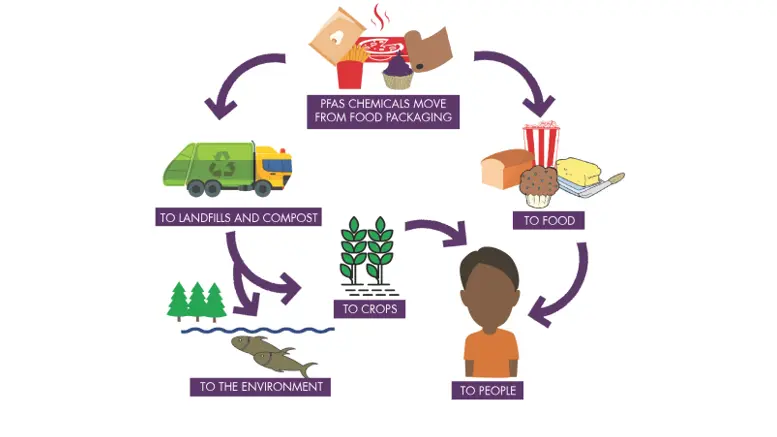
- Routes of exposure: People are exposed by drinking contaminated water, eating fish and crops grown in polluted soil, using consumer products containing PFAS and working in industries that manufacture or apply these chemicals.
- Health risks: Studies link PFAS exposure to decreased fertility, developmental delays in children, high blood pressure during pregnancy, interference with hormones, increased cholesterol levels, weakened immune response and certain cancers. Because they accumulate in the body, even low‑level exposure over time can be harmful.
- Global regulation: Several PFAS compounds are listed as persistent organic pollutants under the Stockholm Convention, requiring countries to eliminate or restrict their use. The new EU rules broaden monitoring and set stricter limits in surface and groundwater.
Significance of the EU’s update
The legislation is part of the European Green Deal and revises the Water Framework Directive, Groundwater Directive and Environmental Quality Standards Directive. It obliges member states to track concentrations of PFAS and other emerging contaminants and take remedial actions. The move may spur similar regulatory efforts worldwide, including in India, where PFAS contamination has been reported in industrial clusters and firefighting training grounds.
Source: European Parliament, US Environmental Protection Agency

