

Why in news?
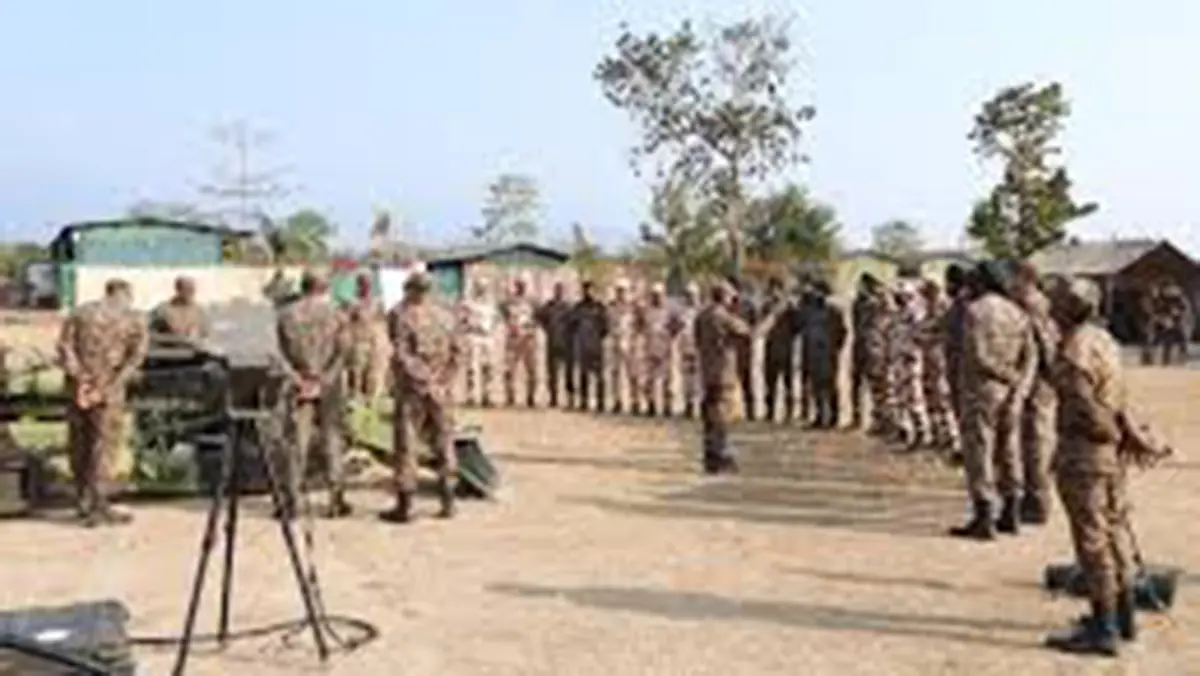
The Indian Army and the Indo‑Tibetan Border Police (ITBP) conducted a joint artillery drill called Exercise Agni Pariksha at Sigar, Arunachal Pradesh from 19 to 24 January 2026. The exercise aimed to familiarise infantry and paramilitary personnel with artillery procedures and to promote coordination among units stationed along the sensitive India‑China border.
Background
India’s eastern sector has challenging terrain and long border stretches. While artillery brigades traditionally operate separately from infantry and paramilitary units, recent doctrines emphasise jointmanship—the ability of different arms to plan and execute operations together. Agni Pariksha, meaning “trial by fire,” was therefore designed to break silos and to teach non‑artillery troops how to support and call for fire in a real conflict.
Key features of the exercise
- Participants: Infantry battalions of the Army’s Eastern Command trained alongside personnel from the ITBP, which patrols high‑altitude areas. Artillery regiments provided guns and trainers.
- Location: The drill took place at the Sigar Military Station near the India‑China border. The high altitude allowed troops to practise in conditions similar to those they face on the frontier.
- Training focus: Sessions covered gun emplacement, ammunition handling, target identification and fire correction. Non‑artillery soldiers learned how to request fire support through artillery observers.
- Joint drills: Mixed teams were formed so that infantry and ITBP personnel could practise moving with artillery units and integrating fire missions into their tactics.
- Outcome: The exercise enhanced coordination among forces and ensured that units deployed in the northeast can quickly bring artillery fire to bear if required.
Significance
Agni Pariksha demonstrates India’s commitment to integrated border defence. By familiarising different arms with each other’s procedures, the military reduces the risk of miscommunication during crises and improves the effectiveness of its deterrence posture along the Line of Actual Control.
Source: HANS