
Why in news?
A study published on 28 March 2026 in the journal npj Clean Water reported that extracellular RNA (exRNA) from bacteria can persist even in disinfected drinking water. Researchers used exRNA as a baseline to identify how microbes adapt to disinfectant stress in water distribution systems. The findings have implications for monitoring water quality and understanding microbial survival strategies.
What is extracellular RNA?
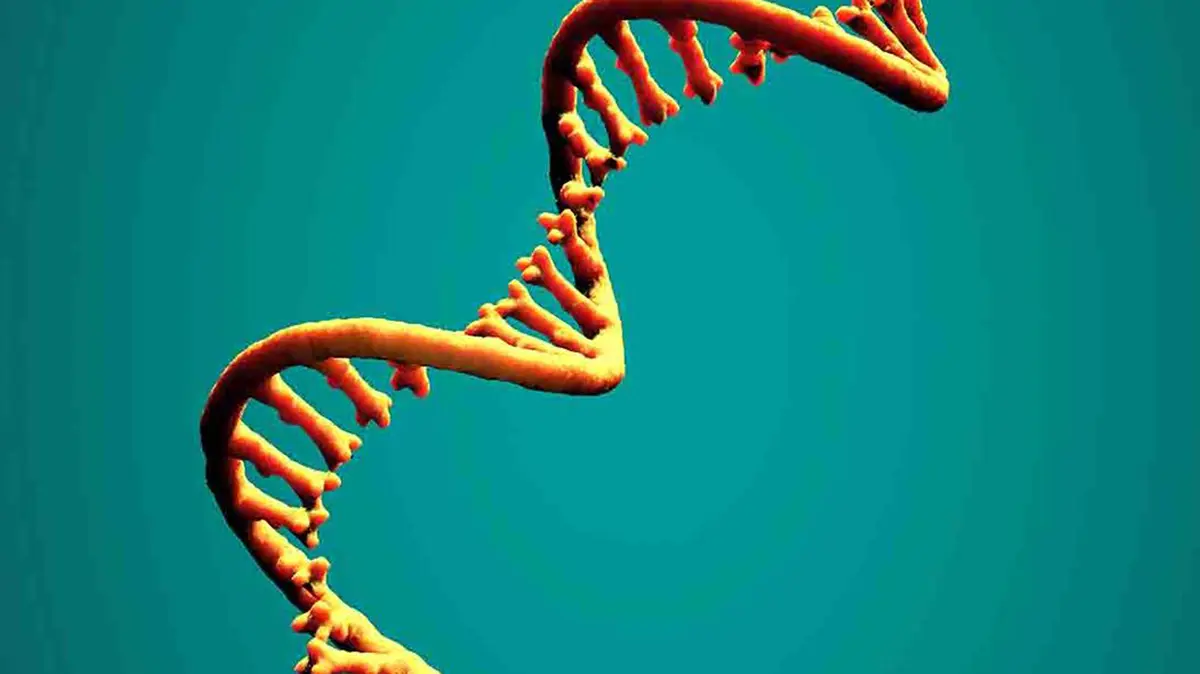
RNA (ribonucleic acid) is best known as a molecule that helps carry genetic information inside cells. In the past decade, scientists have discovered that RNA can also be exported outside cells and travel through body fluids such as blood, saliva and urine. This exported RNA, called extracellular RNA or exRNA, is packaged in tiny membrane‑bound vesicles, bound to lipids or proteins, and functions as a means of cell‑to‑cell communication.
Findings of the 2026 study
- Reference baseline: The researchers used exRNA as a reference to identify adaptive responses in disinfected drinking water microbiomes. By comparing extracellular and intracellular RNA profiles, they could detect which genes were up‑ or down‑regulated under disinfectant stress.
- Adaptive traits: The study found that survival in drinking water involves energy‑efficient metabolism, dynamic membrane composition, oxidative stress responses and proper protein folding. Many antibiotic resistance genes were expressed and up‑regulated in intracellular RNA, indicating selection pressure.
- Non‑coding RNA: The extracellular RNA fraction contained non‑coding RNA and transfer‑messenger RNA (tmRNA), suggesting these molecules may play regulatory roles in microbial communities.
- Implications: Understanding exRNA persistence may help water utilities develop better monitoring tools to detect microbial adaptations and design more effective disinfection strategies.
Broader relevance of exRNA
- Communication and diagnostics: The U.S. National Institutes of Health’s Extracellular RNA Communication program has catalogued exRNA molecules in human biofluids and identified potential biomarkers for diseases such as cardiovascular disorders, pregnancy complications and cancers. Because exRNA can travel through the body, it holds promise for non‑invasive diagnostics and targeted drug delivery.
- Challenges: Researchers are still developing methods to isolate and characterise different types of exRNA carriers. Understanding how exRNA is packaged and transported will be key to translating laboratory findings into clinical and environmental applications.

