
Why in news?
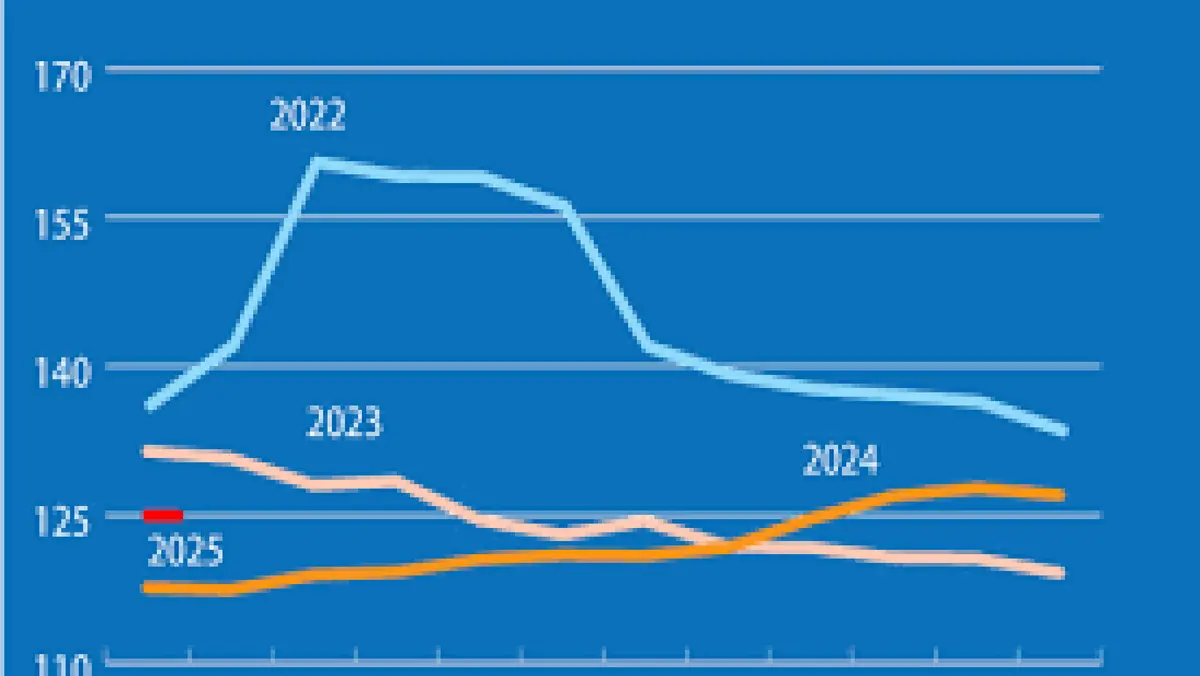
The Food and Agriculture Organization (FAO) reported that its Food Price Index averaged 128.5 points in March 2026, representing a 2.4 % increase over February. The rise was driven mainly by higher energy costs linked to unrest in the Middle East, which affected the production of vegetable oils and cereals.
Background
The FAO Food Price Index tracks the monthly change in international prices of a basket of food commodities. It averages five groups – cereals, vegetable oils, dairy, meat and sugar – weighted by their export shares during 2014‑2016. An index value of 100 corresponds to the average price level during that base period.
Key observations for March 2026
- Vegetable oils: Prices rose sharply due to higher palm oil quotations, reflecting tight supplies and elevated energy costs. Higher energy prices also increase the cost of processing and transporting oils.
- Cereals: The cereal index increased as wheat prices firmed. Concerns over weather and geopolitical tensions in major exporting regions supported prices.
- Dairy, meat and sugar: These sub‑indices showed modest changes. Dairy prices edged up with higher cheese quotations, while meat prices remained broadly stable.
- Overall trend: Although the index rose for the second consecutive month, it remained about 31 points below its peak in March 2022.
- Risk outlook: FAO’s chief economist cautioned that continued conflict in the Middle East could keep energy costs high, raising input prices for farmers and potentially reducing plantings for the 2026–27 season.
Significance
- Indicator of global food security: Rising prices can strain import‑dependent countries and contribute to inflation. Monitoring these trends helps governments plan food‑security interventions.
- Highlights energy–food link: The report underscores how geopolitical events affecting oil markets can quickly reverberate through the food system.
Conclusion
The uptick in the FAO Food Price Index signals renewed pressure on global food markets. Policymakers must watch energy costs and conflict‑related disruptions while supporting resilient agricultural systems.

