

Why in news?
Researchers reported India’s first scientifically confirmed case of tetrodotoxin poisoning from a freshwater pufferfish. A young man from Veraval, Gujarat developed numbness, vomiting and paralysis after eating a fish purchased at a local market. Laboratory tests identified the toxin as tetrodotoxin, bringing attention to this overlooked hazard.
Background
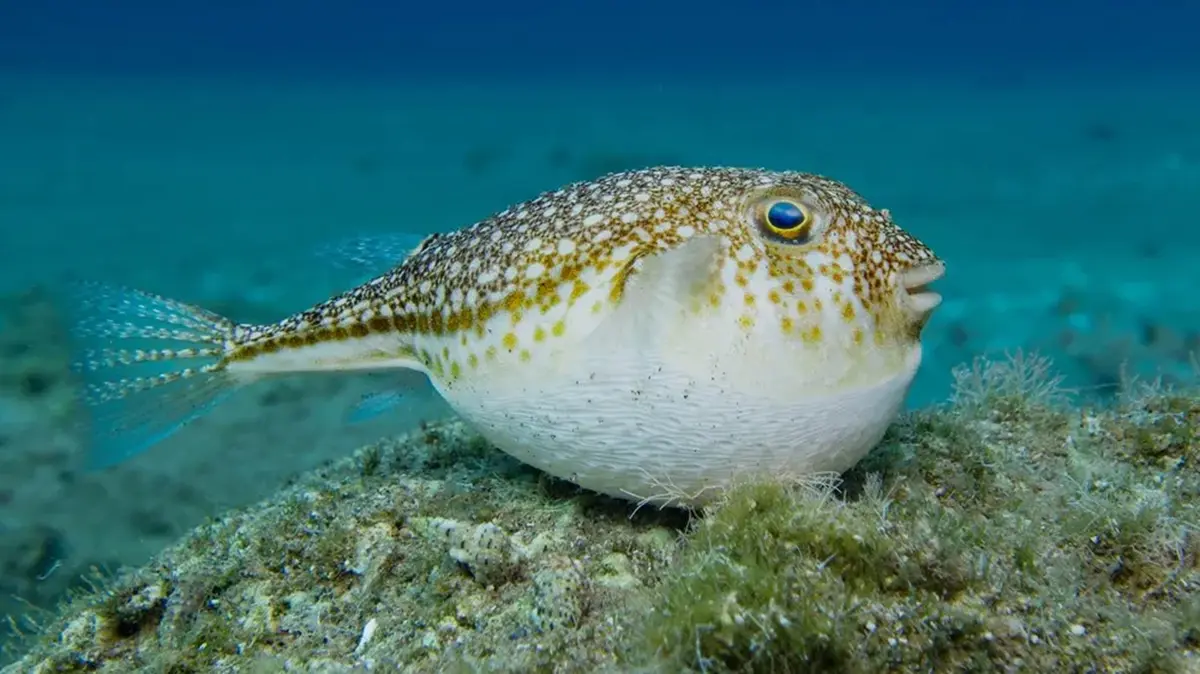
Pufferfish belong to the order Tetraodontiformes and are called toadfish, patkafish, balloonfish or fugu. They inflate their bodies when threatened and some species contain deadly neurotoxins. Globally there are around 190 species of pufferfish; Indian waters harbour eight genera and about 32 species, including freshwater varieties. In Japan and some East Asian countries, specially trained chefs prepare marine pufferfish dishes, but freshwater species have received little regulatory attention in India.
Tetrodotoxin and its effects
- Origin: Tetrodotoxin (TTX) is a heat‑stable, water‑soluble neurotoxin produced by symbiotic bacteria such as Vibrio, Pseudomonas, Aeromonas and Bacillus that accumulate in the liver, ovaries and skin of pufferfish.
- Symptoms: Ingestion causes tingling around the mouth, numbness of lips and extremities, nausea, vomiting, dizziness, rapid heartbeat, muscular paralysis and, in severe cases, respiratory failure and death. There is no specific antidote; treatment focuses on supportive care.
- Stability: TTX is not destroyed by cooking or drying. Even small amounts can be lethal, making consumption extremely risky when toxins are present.
Implications
- Public health: The case highlights the need for surveillance of freshwater fish sold in local markets. Riverine communities may be unknowingly exposed to toxic species.
- Awareness: Educating fishers and consumers about identifying pufferfish and avoiding consumption is crucial to prevent further cases.
- Research gaps: More studies are required to understand which Indian freshwater pufferfish species harbour TTX and under what environmental conditions.